Raspberry Sugar Cookies: Sweet & Simple Treat
Introduction
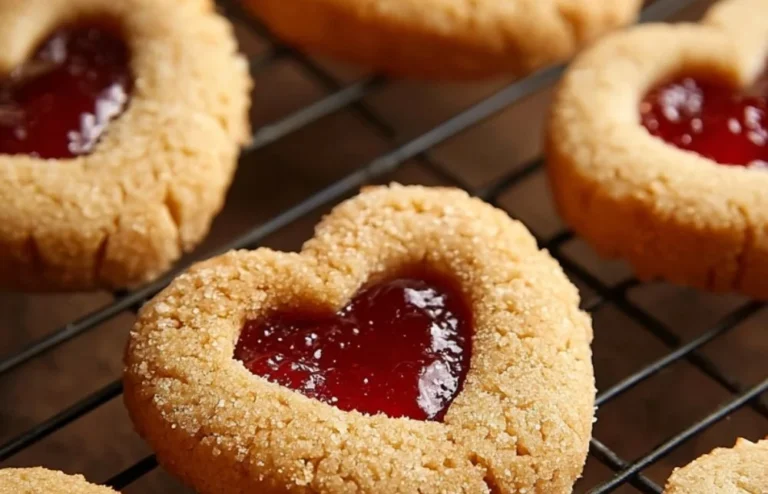
In a narrow kitchen above the cobblestone streets of a city that remembers both empires and marketplaces, a tray of Raspberry Sugar Cookies cools on a wire rack and tells a story. The aroma of warm butter and bright berries drifts through an open window, mingling with the scent of rain on limestone and the distant hum of trams. As a traveler who has followed recipes like footprints across continents, I have found that a simple cookie can be a map: it charts seasons, migrations, and the small, stubborn rituals that people carry with them.
This recipe—Raspberry Sugar Cookies: Sweet & Simple Treat—feels like that kind of map. It is modest in its ingredients but rich in associations: the tartness of raspberries that recalls high summer markets, the granular kiss of sugar that signifies celebration, the soft crumble of butter-laced dough that signals home. If you have a moment, let this dish transport you to kitchens where hand-mixing is still the evening’s slow meditation and where the raspberry’s pink thread weaves through generations. For more thoughts on desserts that travel well and carry memory, consider a broader collection of sweet stories and recipes like this desserts & sweet treats.
The origin story & regional influence behind this dish
Raspberries and sweet dough have walked alongside human communities for centuries, each region offering its own twist. In northern climates where raspberries ripen late in the summer, they became a prized ingredient for preserves and simple confections. In pastoral valleys, butter was plentiful and, when creamed with sugar, produced a base that made even the humblest gatherings feel festive. The marriage of these elements—tender dough and vivid berry—is both spontaneous and ancestral.
The sugar cookie itself has lineage in many places: from the simple butter biscuits of rural Europe to the American sugar cookie tradition that rose with industrial sugar availability. The addition of raspberries feels like a modern impulse, one that honors seasonal fruit instead of relying solely on spices or extracts. Yet, the technique of folding a fruit puree into dough to create a marbled effect recalls Eastern European fruit-studded pastries and Middle Eastern layered sweets where color and texture are used to communicate abundance.
Across regions, this cookie becomes a canvas for local identity. In the Adriatic, tart coastal raspberries might be replaced with wild brambles gathered at dawn; in New England, cultivated raspberries from backyard canes bring a different sweetness shaped by granite soils and Atlantic winds. Each place leaves an imprimatur on the cookie’s softness, aroma, and meaning—an imprint of soil, climate, and the human hands that harvest the berries. If you’re curious about complementary recipes and other homey cookies with deep-rooted flavors, this chewy maple cinnamon cookie tradition makes for an interesting companion read.
How to make Raspberry Sugar Cookies: Sweet & Simple Treat
This is a recipe that asks you for patience more than virtuosity. It asks that you notice the color change as pink ribbons unfurl through ivory dough, that you listen for the hush between the cookie edges and the oven’s glow when the very slightest gold appears. The method is straightforward and generous—measurements are honest, and the outcomes are forgiving. Imagine a kitchen table scarred with flour and stories, a stool pulled close for the person who always stirs, and a radio softly playing a song that belongs to no single place.
To make these cookies is to perform a small, reassuring ritual. Mash raspberries with sugar and a touch of lemon if you like brightness; fold that raspberry swirl into rich, creamed butter and sugar; shape small, tabletop-sized rounds and send them into a warm oven. The result is a cookie that feels both like a child’s cheek—soft, warm—and like a memory—flecked with color and sweetness. The following precise sections keep the recipe intact and true to its instructions.
Ingredients :
2 ½ cups (310g) all-purpose flour, ½ teaspoon baking soda, ½ teaspoon salt, 1 cup (226g) unsalted butter, softened, 1 ¼ cups (250g) granulated sugar, 1 large egg, 1 teaspoon vanilla extract, ½ cup fresh raspberries (or thawed frozen), 2 tablespoons sugar, Optional: ½ teaspoon lemon juice (to brighten flavor)
Directions :
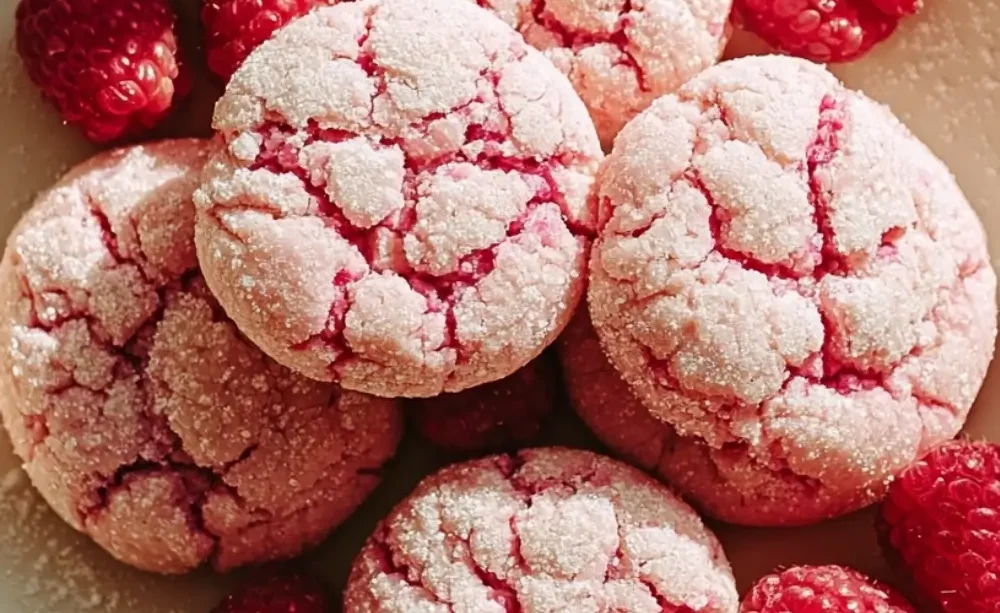
Step 1: Make the Raspberry Swirl, Mash the raspberries with sugar (and lemon juice, if using) in a small bowl. Stir until it forms a thick puree. Set aside., Step 2: Prepare the Cookie Dough, In a bowl, whisk together flour, baking soda, and salt. In a separate mixing bowl, beat the butter and sugar until light and fluffy. Add the egg and vanilla, and beat until well combined. Slowly add the dry ingredients and mix until the dough forms., Step 3: Add the Raspberry Swirl, Gently fold the raspberry puree into the dough with a spatula. Do not overmix—you want a marbled effect with bright pink streaks throughout the dough., Step 4: Scoop and Bake, Preheat your oven to 350°F (175°C). Line baking sheets with parchment paper. Scoop the dough into tablespoon-sized balls and place them a few inches apart on the baking sheet. Bake for 10–12 minutes, or until the edges are just golden., Step 5: Cool and Serve, Let the cookies cool on the baking sheet for 5 minutes before transferring to a wire rack. Serve warm or cooled—they’re delicious either way.
Ingredients through a cultural & historical lens
If you look at each ingredient as a character in a story, you begin to see why simple recipes endure. Flour is the grain-song of a place—wheat grown on sunwashed plains or on cooler tilled hills will give a different note to the cookie’s texture. Butter carries regional dairy practices: the grass-fed richness of mountain pastures, the tang of cultured butter from a small-town creamery. Sugar is the modern element, once luxury and now a commonplace agent of celebration.
Raspberries themselves are a cultural mirror. In many European countrysides, raspberries were harvested by families who sung as they picked, the fruit going straight from fingers to jars in a day’s work. In the New World, the berry’s cultivation became entangled with industrial agriculture and home gardening alike, representing both commercial harvests and the intimate act of picking in your own backyard. A recipe that allows the raspberry’s color and tartness to remain visible—marbled rather than masked—speaks to a cultural urge to let local produce assert identity. For those exploring broader dessert traditions that carry familial resonance, the notion of sweets as memory can be paralleled in many collections such as this desserts & sweet treats listing.
Cooking the dish: sensory notes & traditional techniques
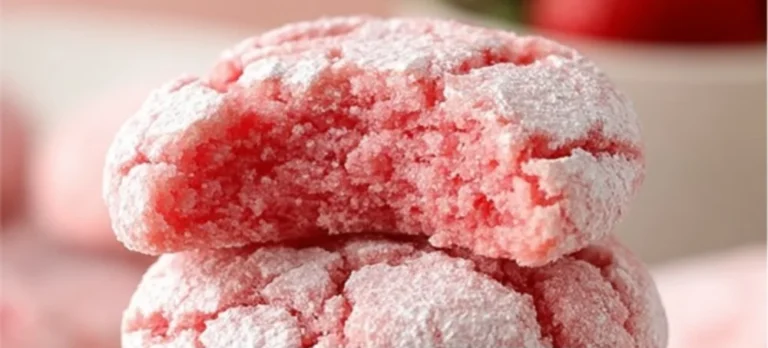
This cookie’s magic is largely sensory. When you mash raspberries with sugar, the sound and sight are immediate: a soft, red patter, a scent lifting from the bowl like a memory of sun-warmed fruit. Folding the puree into butter-rich dough produces a marbling reminiscent of artisanal ceramics—the same kind of human imperfection that makes an object beloved. The dough itself should feel like velvet under your fingertips: malleable, slightly cool, and fragrant with vanilla.
In traditional kitchens, there are techniques that aren’t about precision but about temperament. Elders teach novices to fold gently so the fruit keeps its ribbons; to scoop with a tablespoon and place the dough with a kind of casual geometry that allows the cookies to breathe as they expand. Watching the cookies in the oven is part craft, part waiting-room conversation. The moment the edges promise gold is the moment to rescue them—overbaking is the enemy of tenderness. These small, sensual attentions are less about method and more about respect for ingredients and for the people who will eat the result.
How different regions prepare their version
Travel with this recipe and you will find variations that read like postcards. In Scandinavia, the sugar might be coarse and the butter slightly tangy, with raspberries gathered from hedgerows where the berry tastes of sea salt in the air. In the southern United States, some kitchens might favor a touch more sugar or the inclusion of lemon to brighten the berries, reflecting citrus groves nearby. In Mediterranean towns, where fruit is often sugared and used as garnish for tea, a baker might dust the cookies lightly with powdered sugar after baking, making them look like miniature moons.
The essence remains consistent: a buttery base, the berry’s bright insistence, and a modest sweetness that allows each ingredient to speak. But what changes—texture, aroma, presentation—tells you where the cookie has been and who brought it into being. For example, a coastal community might press salt-thin crystals into the dough to echo the sea; a mountain village might use a spoonful of preserved berries rather than fresh, honoring the winter pantry. These regional signatures are small acts of interpretation that carry place into every bite. For a contrast in chewy versus tender textures across cookie traditions, readers often compare recipes such as this chewy maple cinnamon cookie to understand how local ingredients shape mouthfeel.
Traditional ways this dish is shared or served
Cookies travel well—wrapped in cloth, packed in tins, offered at doorways with tea. Raspberry Sugar Cookies often find their way into afternoon gatherings where conversation is the main course: in village squares, in living rooms after church, in bakeries where morning patrons buy a single sweet to linger with coffee. They are also a kind of domestic offering, presented when neighbors come to borrow sugar or when a visitor arrives with news from the road. The marbled pink inside is an invitation; the cookie’s simplicity asserts generosity rather than opulence.
In some cultures, small buttery sweets are given at weddings or christenings as tokens of good luck and sweetness in life. Though not exactly ceremonial, these cookies can be adapted for such moments: stacked in layers, tied with ribbon, or laid out on a communal plate. The act of sharing them—passing a plate, breaking a warm piece in two—says more than any label. Through these rituals, the cookie becomes a conduit of care, a portable piece of home that can be handed across thresholds.
Storing the dish without losing its cultural essence
Storage is a kind of preservation of both texture and memory. Keep these cookies in an airtight tin to protect their soft centers and to maintain that whisper of raspberry. If you wish to prolong the fruit’s freshness, separate layers with parchment or freeze the dough before baking, though many traditionalists will insist that the moment of baking—fresh from the oven—is where the spirit of the cookie lives. To store without losing the sense of place, use containers you already treasure: a painted tin from a market, a jar from a friend, a stoneware dish from a grandmother’s kitchen. These vessels hold not only cookies but stories.
When thawing or reheating, return the cookie briefly to a warm oven to restore its tenderness; never microwave, which can collapse the texture and the sense of careful time. Preserving flavor is as much about ritual as it is about method—warmth, slow attention, and the occasional retelling of the recipe’s origins as you share them.
Cultural questions people often ask
What makes a cookie truly traditional? Tradition grows from repetition and relationship: the recipe people return to at particular moments. Why fold rather than blend the raspberry? To keep visible threads of color and to let the fruit present itself as gesture rather than disguise. Is it acceptable to use frozen fruit? Yes—thawed raspberries are a kind of time travel, summoning summer in colder months, and many kitchens have long used preserved fruits out of necessity and ingenuity.
People also ask about substitutions and authenticity, but perhaps the more interesting question is: what does this cookie carry with it when it leaves the kitchen? The answer is often intangible—a taste of where someone learned to bake, a memory of a market, a voice that taught them to fold gently. These questions steer us toward connection rather than prescription.
Conclusion
As you close the oven door on a tray of Raspberry Sugar Cookies, know that you are not only making a treat—you are participating in a quiet lineage of comfort and hospitality. For more explorations of raspberry-forward sweets and variations that riff on this theme, see the charming riff on fruit-studded biscuits at Raspberry Crumble Cookies (Top Rated) – Celebrating Sweets. And if your curiosity leads toward small-batch baking and the stories behind artisanal tins and tiny bakeries, the work of places like Apt. 2B Baking Co. offers a window into how recipes become businesses, and how businesses, in turn, keep recipes alive.
A cookie is modest, but it contains multitudes: a field’s sun, a grandmother’s hand, a childhood afternoon. Bake one and listen—there is history in the raspberries, and there is home in the sugar.