No Bake Samoa Cookies
Introduction
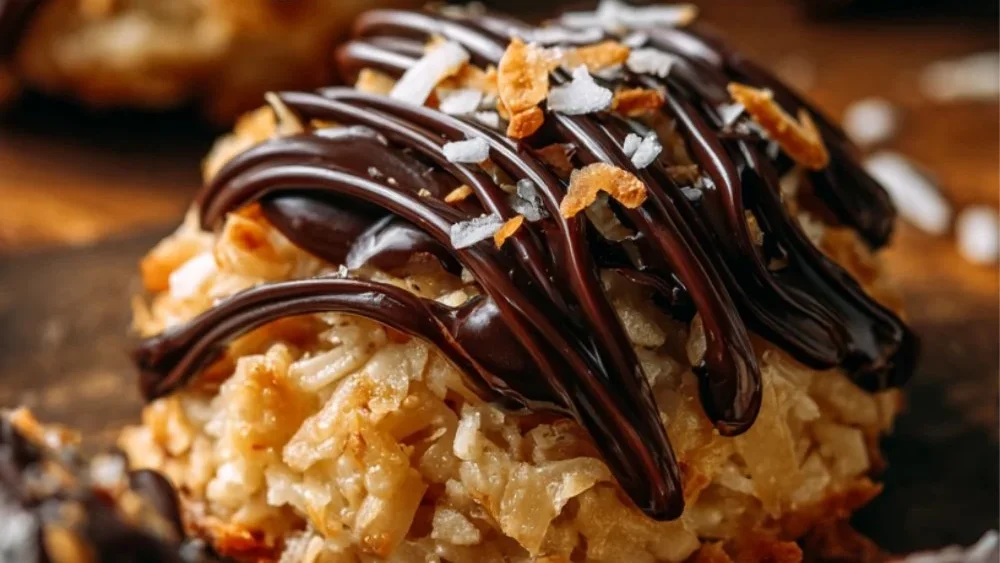
As a nutrition specialist, I approach recipes with curiosity about how they support day-to-day health habits, digestion, and long-term wellness — while recognizing that food is also a source of pleasure. These No Bake Samoa Cookies are an indulgent treat that combine toasted coconut, caramel, and chocolate. When enjoyed mindfully and within a balanced eating pattern, they can be part of a nourishing lifestyle without guilt or extremes.
This article will explain the nutritional context of the recipe, how the preparation affects digestion and nutrient quality, and practical strategies to make the cookies fit into your broader goals for energy, satiety, and nutrient density. If you’re interested in comparing textures and ingredient swaps across cookie recipes, you might also enjoy checking a different flavour profile like these chewy maple cinnamon cookies, which highlight how simple swaps change mouthfeel and nutrient emphasis.
How this recipe supports overall wellness
No Bake Samoa Cookies are concentrated in energy and flavor: the combination of coconut, caramel, and chocolate provides fats and sugars that are quickly absorbed and satisfying. From a wellness perspective, these cookies can support short-term energy needs and provide sensory enjoyment — both important for sustainable eating patterns. The fat in coconut and chocolate slows gastric emptying compared with a pure sugar snack, which can help with satiety and reduce the likelihood of rapid blood sugar swings after a single cookie.
That said, because this recipe is higher in added sugars and saturated fat relative to whole-food snacks (for example, fruit with nut butter), it’s most helpful to think of it as a portion-controlled treat within a pattern that emphasizes vegetables, whole grains, legumes, lean proteins, and unsweetened dairy or fortified plant milks over the course of the day. Being intentional about when and how you enjoy a cookie — perhaps paired with a protein-rich beverage or after a balanced meal — can reduce cravings and help maintain steady energy. For example, pairing the cookie with a small serving of Greek yogurt or a handful of nuts provides protein and additional healthy fats, which supports slower digestion and extends feelings of fullness. If you want ideas to pair desserts with balanced meals, you might contrast textures and sweetness with savoury baked goods such as the recipe for chewy maple cinnamon cookies for inspiration on balancing sweet and savoury notes across snacks.
How to make No Bake Samoa Cookies
Below is the recipe exactly as provided so you can follow it without modifications. The steps are designed to maximize flavor while keeping the process simple and equipment-light.
Ingredients :
2 cups unsweetened shredded coconut, 1 cup soft caramel candies (about 20 pieces), 2 tablespoons milk (or heavy cream for richer flavor), 1 cup semi-sweet chocolate chips, 1 teaspoon coconut oil (or butter), ¼ teaspoon vanilla extract, Pinch of salt
Directions :
Toast the coconut, Spread the shredded coconut on a dry skillet over medium heat. Stir frequently until golden brown and fragrant (about 5–7 minutes). Transfer to a plate to cool., Melt the caramel, In a small saucepan over low heat, combine the caramel candies and milk. Stir continuously until smooth. Remove from heat and stir in the vanilla and salt., Combine coconut & caramel, Pour the toasted coconut into the caramel mixture and stir until fully coated., Shape the cookies, Using a tablespoon or small cookie scoop, drop mounds of the coconut-caramel mixture onto a parchment-lined baking sheet. Use your fingers to gently flatten and shape into rounds., Melt the chocolate, In a microwave-safe bowl, combine the chocolate chips and coconut oil. Heat in 20-second intervals, stirring after each, until melted and smooth., Dip & drizzle, Dip the bottom of each cookie into the melted chocolate, place back on the parchment, and drizzle remaining chocolate over the tops., Set & serve, Refrigerate for 15–20 minutes until the chocolate is firm. Store in an airtight container at room temperature for up to 3 days, or refrigerate for longer freshness.
Follow those steps exactly if you want a faithful No Bake Samoa Cookie experience. Toasting the coconut and smoothing the caramel are two sensory steps that heighten flavour and texture without adding extra ingredients.
Nutrient roles of each main ingredient
- Unsweetened shredded coconut: Provides primarily saturated and medium-chain triglyceride (MCT) type fats, which contribute to mouthfeel and satiety. Coconut also adds small amounts of fiber and minerals like manganese. The fibre content helps slow digestion slightly compared with refined sweets alone.
- Soft caramel candies + milk (or heavy cream): These contribute the bulk of the added sugars and carbohydrates, which supply quick energy. Using milk instead of cream slightly increases protein and reduces fat per serving; cream increases richness and fat content. The caramel structure also acts as the binding agent for the coconut.
- Semi-sweet chocolate chips: Offer cocoa solids that contain flavonoids (associated with antioxidant properties) and additional fats and sugar. Semi-sweet chips strike a balance between sweetness and cocoa flavour.
- Coconut oil (or butter): Helps create a smooth melted chocolate and affects mouthfeel and melting behaviour. Both are sources of saturated fat; coconut oil provides a higher proportion of medium-chain fatty acids.
- Vanilla extract and salt: Small amounts but important for flavour perception. Salt enhances sweetness perception and balances the caramel-cocoa profile.
Taken together, this recipe is energy-dense and sensory-rich. The blend of fats and sugars creates a satisfying eating experience; pairing it with protein or fiber elsewhere in the meal can temper post-snack energy dips.
The preparation method & its health impact
No-bake methods minimize the formation of some heat-induced compounds that appear with high-temperature baking, and they reduce the need for extra fats that are sometimes added to baked goods. Toasting the coconut over a dry skillet is a low-fat way to amplify flavour; the Maillard reaction and gentle browning release aromatic compounds that make smaller portions of the cookie feel more satisfying.
However, melting and combining caramel and chocolate concentrate sugars and fats without introducing significant protein or fiber. Because absorption of sugary foods can be rapid, consider portion control and pairing strategies to moderate glycemic impact. Refrigeration to firm the chocolate changes the physical structure and can slow oral processing and digestion slightly, which enhances satiation.
The overall method encourages mindful, hands-on preparation (shaping by spoon or fingers), which can slow pace of eating and help you notice fullness signals — a valuable behavioural strategy for long-term weight and metabolic health.
Ways to lighten, enrich or modify the dish nutritionally
If you’d like to tune the recipe toward greater nutrient density without changing the original as a reference, consider these practical, evidence-informed ideas you can apply before or after making the cookies:
- Portion control: Make smaller mounds to reduce energy per portion. Smaller pieces can satisfy sweet cravings with less overall intake.
- Add a protein-rich side: Serve one cookie with a tablespoon of nut butter or a small cup of unsweetened Greek yogurt. This adds protein, promotes slower gastric emptying, and helps balance blood glucose response.
- Boost fiber at the meal: Pair the cookie with fruit or a vegetable-based side to increase fiber and micronutrient intake during the same eating occasion. For texture comparisons that still focus on fiber, you might explore recipes such as chewy maple cinnamon cookies which can inspire combining fiber-rich flours and oats in other treats.
- Use whole-milk or milk swap intentionally: The recipe allows milk or heavy cream. Choosing milk adds a small amount of protein and calcium; cream increases richness but also saturated fat. Decide based on your dietary pattern and preferences.
- Limit frequency: Use these cookies as a special treat rather than daily staples. This supports long-term nutrient adequacy from other foods while allowing flexibility.
- Mindful additions: If desired, sprinkle a few chopped nuts on top after dipping to add texture, unsaturated fats, and protein (this is an optional addition to the serving, not a change to the recipe itself).
These ideas keep the spirit of the recipe intact while nudging the overall meal toward greater balance and nutrient density.
Pairing ideas for a balanced, complete meal
Pairing is about creating a meal that blends protein, fiber, healthy fats, and vegetables to support digestion and steady energy. A cookie can be part of a balanced dessert or snack when paired mindfully:
- Post-meal dessert: After a lean protein and veggie-rich lunch (for example, grilled chicken, quinoa, and roasted vegetables), enjoy one cookie with a small serving of plain yogurt to add protein and probiotics that support gut health.
- Afternoon snack: Combine one cookie with an apple and a handful of almonds. The apple adds fiber and water for satiety; almonds supply protein and unsaturated fats.
- Tea-time pairing: A single cookie with unsweetened black or green tea provides antioxidants and a low-calorie beverage that can slow sipping and reduce the pace of consumption.
- Family sharing: If serving with children, emphasize shared portions (e.g., one cookie divided) and incorporate activity or conversation to make the treat part of a broader positive food experience.
These pairings aim to reduce rapid absorption of sugars, support digestion, and make the treat satisfying with smaller servings.
Safe storage, food safety & optimal reheating
Storage for this no-bake cookie is straightforward because it contains no raw eggs or high-risk dairy beyond cooked caramel and added milk. Follow these safe-handling tips:
- Refrigeration vs room temperature: The recipe notes storage at room temperature for up to 3 days in an airtight container, or refrigeration for longer freshness. Cooler storage reduces the risk of spoilage and keeps the chocolate firm, especially in warm climates.
- Airtight container: Prevents moisture absorption and flavor transfer. Use parchment between layers if stacking to avoid sticking.
- Food safety timeframe: If your home is warm (above 70°F / 21°C) or you used milk instead of shelf-stable dairy, refrigeration is safer if cookies will be kept beyond 24–48 hours.
- Reheating: No reheating is required. If you prefer softer texture after refrigeration, allow a cookie to sit at room temperature 10–15 minutes or warm briefly (5–10 seconds) in a microwave to soften the chocolate — check frequently to avoid melting too much.
- Transport: For travel, place in an insulated container or cooler pack during warm days to prevent melting and maintain safe temperatures.
Following these guidelines preserves flavour and reduces food-safety risks.
Common nutrition questions about this dish
Q: How often can I eat these cookies and stay healthy? A: Frequency depends on your overall eating pattern and energy needs. Treats can fit into a healthy diet when enjoyed occasionally and balanced with nutrient-dense meals most of the time.
Q: Are coconut and coconut oil unhealthy? A: Coconut contains saturated fat; however, in moderate amounts within a varied diet, coconut provides flavor and some unique medium-chain fatty acids. Focus on total dietary patterns rather than singling out one ingredient. Substitutions (e.g., mixing in nuts or serving with protein) can help balance meals.
Q: Will this spike my blood sugar? A: The cookie contains concentrated sugars, so eating it on its own may raise blood glucose more quickly than a mixed meal. Pairing with protein, fiber, or healthy fat slows absorption and blunts rapid spikes.
Q: Can I make a lower-sugar version? A: The recipe as written should not be altered for the purposes of this article, but general strategies include reducing portion size and pairing with protein. For different lower-sugar cookie ideas, explore recipes that use whole grains and less added sugar.
If you have specific metabolic concerns (e.g., diabetes), consult a registered dietitian or your healthcare provider for individualized recommendations.
Final wellness notes
No Bake Samoa Cookies are a flavorful example of how concentrated energy, texture, and aroma can create lasting satisfaction with a small serving. The key to integrating treats like this into a health-forward lifestyle is balance: prioritize nutrient-dense meals, use portion control, and pair the cookie with protein or fiber when possible to support steady energy and digestion. Preparing the recipe yourself also gives you control over portions and quality, and the mindful steps of toasting and shaping encourage slower eating and increased enjoyment.
Remember that occasional indulgences are compatible with long-term wellness when they are part of a varied, nutrient-rich eating pattern. Enjoy these cookies as part of an overall approach that centers whole foods, consistent meals, and pleasurable eating.
Conclusion
For further reading and variations on this no-bake classic, you can explore a copycat take at No Bake Samoa Cookies (Girl Scout Copycat) | The Domestic Rebel, a straightforward no-bake approach at No Bake Samoa Cookies (easy no bake cookies!) – The Recipe Rebel, and a lighter reinterpretation at No Bake Healthy Samoa Cookies – Danilicious.
No Bake Samoa Cookies
Ingredients
Method
- Toast the coconut by spreading it on a dry skillet over medium heat. Stir frequently until golden brown and fragrant (about 5–7 minutes). Transfer to a plate to cool.
- Melt the caramel in a small saucepan over low heat, combining caramel candies and milk. Stir continuously until smooth. Remove from heat and stir in vanilla and salt.
- Combine the toasted coconut with the caramel mixture, stirring until fully coated.
- Shape the cookies by dropping mounds of the coconut-caramel mixture onto a parchment-lined baking sheet using a tablespoon or small cookie scoop. Flatten and shape into rounds with your fingers.
- Melt the chocolate by combining chocolate chips and coconut oil in a microwave-safe bowl, heating in 20-second intervals and stirring after each until melted and smooth.
- Dip the bottom of each cookie into the melted chocolate, place back on the parchment, and drizzle remaining chocolate over the tops.
- Refrigerate for 15–20 minutes until the chocolate is firm. Store in an airtight container at room temperature for up to 3 days, or refrigerate for longer freshness.