Crème Brûlée French Toast
Introduction
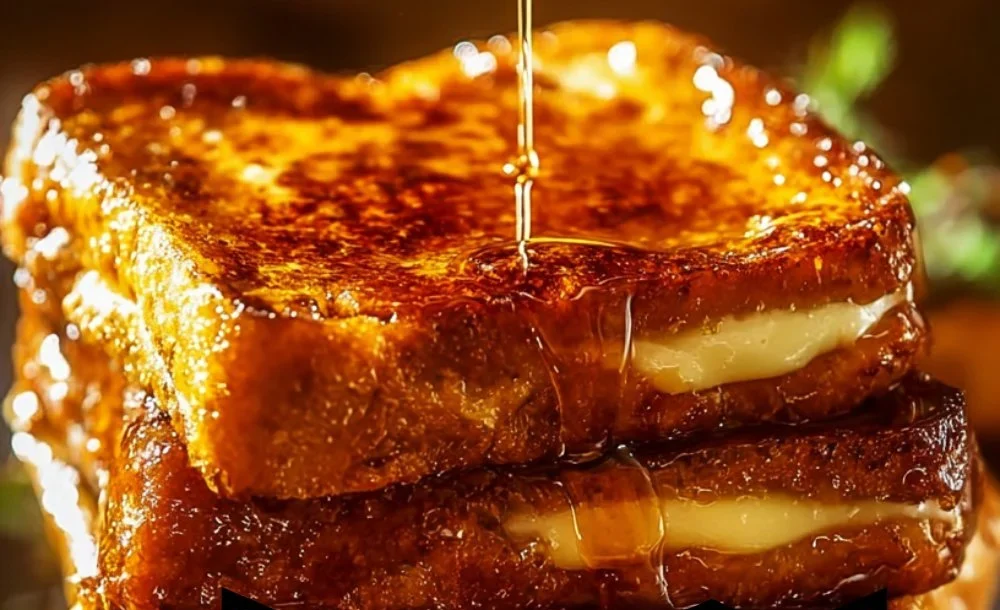
There are mornings that feel like postcards: light that leans in through tall windows, the faint clink of porcelain from a neighboring table, and the hush of a city still waking. Crème Brûlée French Toast arrives at such a breakfast as if it has been traveling for centuries to find you — a silk-backed custard, a brittle crown of caramel, and bread that remembers the oven’s warmth. In Sofia, where old boulevards and Ottoman courtyards keep the city’s stories close, this dish feels both utterly foreign and strikingly at home. It is at once a nod to French refinement and an invitation to slow, communal mornings — the kind the Balkans take seriously.
When I sit with a plate of this creamy, caramelized toast in a small Sofia cafe, steam rising like a signal to the sky, I think of how food stitches together places. The scent — warm vanilla lifting from the custard-soaked bread, the sweet, slightly bitter note of freshly torched sugar — pulls people into conversation. A dish like this becomes a language: families recounting weekend rituals, café owners recounting the recipe they learned from a traveling chef, and roommates arguing gently over whether to top it with fresh berries or a cloud of whipped cream. Each spoonful has the tactile comfort of a childhood memory and the cosmopolitan polish of an evening in Paris.
Part of the pleasure in tasting Crème Brûlée French Toast in Sofia is watching how the city answers the recipe. Here, a baker might reach for thick, rustic bread from a nearby bakery; a grandmother might insist the cream should be full-bodied, the kind that coats the back of a spoon. The result is not simply a copy of a French classic; it is a conversation between regions and generations — a dish carrying the soft, syrupy story of travel and home.
The origin story & regional influence behind this dish
Crème brûlée and French toast, separately, are both older than many of the empires that shaped Europe — their histories braided with monks, merchants, and the careful experiments of home cooks. French toast itself appears in Roman texts, a way to transform stale bread into something celebratory. Crème brûlée claims a more baroque origin: egg-rich custards sugared and torched to form a glassy crust, a final, dramatic act before serving.
The marriage of these two ideas — custard-soaked bread and a caramelized sugar cap — feels inevitable in regions that prize both thrift and pleasure. In France, a custardy treatment elevates leftover brioche into a dessert fit for salons; in Spain and Latin America, similar ideas appear in torrijas and tostadas. In Sofia and the wider Balkans, such fusion reflects a history of crossroads: Ottoman, Austro-Hungarian, and Slavic influences all leave traces in the way locals bake, sweeten, and share food.
This hybrid dish tells a broader story of trade routes and taste. Vanilla pods, once rarities arriving by sea, became symbols of luxury; sugar, produced from colonial crops and then industrial mills, shifted the rituals of sweetness. Custards evolved where eggs and dairy were abundant; bread absorbed those luxuries and released them in a forgiving, golden bite. So Crème Brûlée French Toast is not simply a recipe — it is an edible map of global exchange, a reminder that the simplest comforts are often the most traveled.
How to make Crème Brûlée French Toast
Ingredients : 1 loaf of French bread, 4 large eggs, 1 cup heavy cream, 1 cup milk, 1/2 cup granulated sugar, 1 tablespoon vanilla extract, 1/4 teaspoon salt, 1/4 cup brown sugar for topping, Optional: fresh fruit or whipped cream for serving
Directions :
- Slice the French bread into thick slices and place them in a greased baking dish., 2. In a large bowl, whisk together the eggs, heavy cream, milk, granulated sugar, vanilla extract, and salt., 3. Pour the egg mixture over the bread slices, ensuring they are well soaked., 4. Cover the dish and refrigerate for at least 2 hours or overnight., 5. Preheat your oven to 350°F (175°C)., 6. Bake the French toast uncovered for about 30-35 minutes or until it’s set and lightly golden., 7. Sprinkle brown sugar over the top and use a kitchen torch to caramelize it, or place it under the broiler for a few minutes until bubbly., 8. Serve warm with fresh fruit or whipped cream if desired.
Ingredients through a cultural & historical lens
List the ingredients aloud in a market and you will hear history woven into the names: French bread suggests the baker’s craft and a legacy of crust and crumb; heavy cream, milk, and eggs whisper of pastoral life, of cows grazing in fields where mornings are long and slow. Granulated sugar and brown sugar bring with them the bitter-sweet legacies of global trade and changing economies — sweeteners that transformed celebrations into daily comforts. Vanilla extract, once a rare and exotic spice, now breathes a floral warmth into modern home kitchens.
Each ingredient carries a small cultural biography. In rural Bulgarian households, for example, cream might be slightly tangy, a product of farmhouse skimming techniques that differ from industrial dairy; in a Parisian pastry shop, the custard might be made with a touch more butter and a lighter hand. Bread, too, is a social artifact — a baguette, a country loaf, a puska from a neighborhood baker — all of them tell you about the place you are in. When these ingredients meet, they create a kind of culinary travelogue: custard that is both luxurious and familiar, sugar that crackles with ceremony, and bread that grounds the dish in daily life.
Cooking the dish: sensory notes & traditional techniques
To prepare Crème Brûlée French Toast is to practice a small ritual. The egg and dairy mixture should smell faintly of vanilla and warm milk; pouring it over thick slices of bread is an act of patient generosity. The bread swells, absorbing the custardy liqueur like a sponge that remembers sun. Refrigeration allows flavors to settle, and when the oven’s heat reaches the baking dish, the custard firms with a soft, yielding insistence.
The final act — caramelizing sugar — is where ceremony enters the kitchen. The sound of granulated sugar meeting a flame and becoming glass is a short, ecstatic percussion: a crisp crack when a spoon breaks it, a rush of caramel aroma that makes conversation pause. In places without a torch, the broiler becomes an improvisational stage; each household finds its own way to coax that glassy skin. In Sofia, you’ll find some cooks sprinkling a small circle of sugar at a time, torching with a steady, meditative hand; others prefer a broader sweep under a broiler, the kitchen filling with the scent of burned sugar and memory.
The textures invite touch as much as taste: the top gives under a spoon, brittle and clean; the interior is plush and yielding, a whisper of warmth that slides across the roof of the mouth. It is a dish that asks to be eaten slowly, to honor the caramel crack and the creamy hush beneath.
How different regions prepare their version
Every region shapes this dish according to what it prizes. In France, the custard might be lighter, leaning toward a pure, almost ethereal creaminess, while the bread could be a delicate brioche that melts into the custard. In Spain, the idea of torrija offers a syrupy cousin with cinnamon and wine-soaked bread. In the Balkans, cooks might favor sturdier country loaves that hold their shape, and the custard might have an extra whisper of egg for body. In the United States, bakers sometimes convert the recipe into casseroles for brunch crowds, cutting convenience with scale.
In coastal Mediterranean towns, fruit — figs, citrus segments — comes alongside the sugar cap, a bright counterpoint to the sweetness. In cooler climates, compotes of stewed berries add warmth; in Central Europe, a dollop of sour cream or a scattering of toasted nuts brings texture. These variations are not departures; they are conversations with local harvests and climate. Each region brings its pantry, its mornings, and its idea of celebration to the same basic structure, creating a family of dishes that feel both local and universal.
Traditional ways this dish is shared or served
This is a dish that asks to be shared. It appears at weekend breakfasts where conversation unspools slowly, at celebratory brunches where friends bring wine and laughter, and at quiet moments when someone wants to make a weekday morning feel like a small festival. In some families, it is a ritual for holiday mornings, a way to transform leftover bread into something ceremonious. In cafés, it arrives on large plates meant for four, encouraging hands to reach and stories to be exchanged over the caramel crack.
There are also intimate traditions: a parent making a single serving for a child before school, a lover preparing it on a rainy anniversary, a neighbor bringing a pan to share after a late-night gathering. The caramel crust gives the dish a theatrical finish, and that final torching often becomes part of the ritual — a shared glance, a small applause, the immediate rush of warmth and scent that prompts compliments and memories.
Storing the dish without losing its cultural essence
Crème Brûlée French Toast is best enjoyed immediately, but culture teaches us to preserve, to make good use of leftovers. After baking, the custardy interior can be kept refrigerated for a day or two; rewarming gently in an oven at low heat will return some of the original glow. The caramelized top, however, is ephemeral; it softens with refrigeration and will need a fresh torch or broiler to restore its signature crack. In many households, that re-torching becomes part of the sharing ritual — a revival rather than a restoration.
When freezing is necessary, slices can be flash-frozen and later reheated, though texture softens. The cultural essence survives in the act of sharing: invitations to reheat and reconvene are themselves small customs, a way of extending hospitality. In Sofia, I often saw friends gather the next morning to reheat a pan and make coffee, treating the reheated edges as something even more precious — browned, caramelized in new ways by the second baking.
Cultural questions people often ask
Is this dessert or breakfast? The answer varies. For some, it is a dessert masquerading as breakfast; for others, a breakfast made decadent intentionally. People ask whether the sugar must be torched — the quick answer is yes if you want that glassy crown, but cultural ingenuity often substitutes broilers or even hot pans.
Another common question: can stale bread be used? Historically, yes — French toast and its cousins were born as remedies for stale loaves. Using day-old bread often yields a better texture, absorbing custard without collapsing. And people often wonder about the origin: Is it French? Spanish? The truth is it is a child of many kitchens, a recipe shaped by travel, trade, and the desire to transform the ordinary into something celebratory.
A closing note on food, memory & travel
Food is a map, and dishes like Crème Brûlée French Toast are border crossings. Eating it in Sofia, in a coastal town, or under the eaves of an Alpine inn will always be a slightly different experience because context matters: the weather, the bread, the company. Where it is eaten becomes part of what it tastes like. The caramelized top might crack the same way everywhere, but the hush afterwards — that moment when spoons pause and conversation resumes — is determined by place.
That pause is what travel writers chase: the way food can suspend time, turning ordinary mornings into stories we keep returning to. Each forkful is a memory that ties you to a city, a cafe, a person. When you make this dish at home, you are not only following a recipe; you are participating in a centuries-long interchange. The torch is a pen; the custard, an arc of history. Eat it slowly. Share it widely. Let the caramel crack be a punctuation in a sentence that says: we were here, together, and we tasted something that mattered.
Conclusion
For more variations and step-by-step guides, see the classic Crème Brûlée French Toast Recipe, a popular home-cook favorite that captures the dish’s comforting spirit. If you prefer an overnight approach or are feeding a brunch crowd, the Overnight Creme Brûlée French Toast Bake – Mel’s Kitchen Cafe offers a practical, crowd-pleasing method. For another take with different serving ideas and notes, consider Creme Brulee French Toast – AnotherFoodBlogger for inspiration and small variations to make the recipe your own.
Crème Brûlée French Toast
Ingredients
Method
- Slice the French bread into thick slices and place them in a greased baking dish.
- In a large bowl, whisk together the eggs, heavy cream, milk, granulated sugar, vanilla extract, and salt.
- Pour the egg mixture over the bread slices, ensuring they are well soaked.
- Cover the dish and refrigerate for at least 2 hours or overnight.
- Preheat your oven to 350°F (175°C).
- Bake the French toast uncovered for about 30-35 minutes or until it's set and lightly golden.
- Sprinkle brown sugar over the top and use a kitchen torch to caramelize it, or place it under the broiler for a few minutes until bubbly.
- Serve warm with fresh fruit or whipped cream if desired.