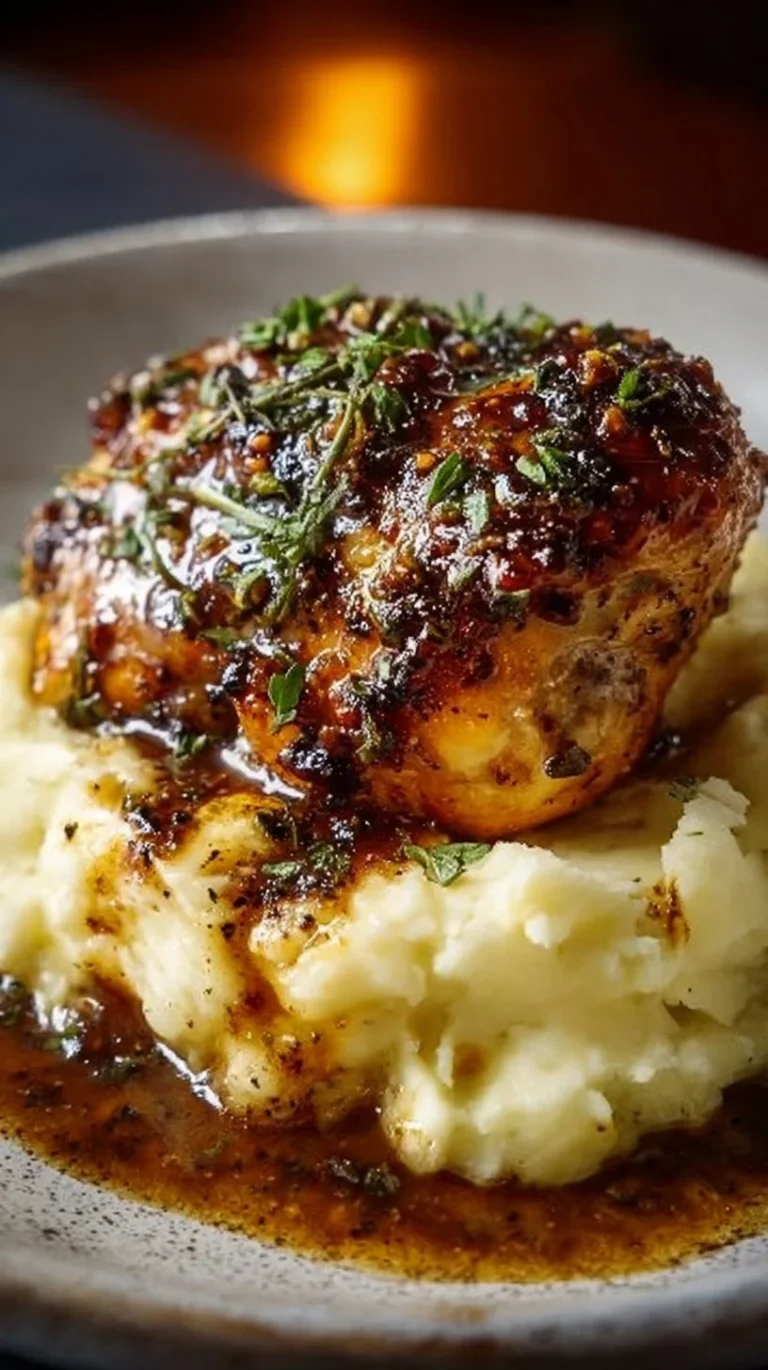
Creamy Baked Chicken and Asparagus

AARON Introduction
As a nutrition specialist, I look at recipes as practical tools for everyday health rather than one-off fixes. This Creamy Baked Chicken and Asparagus recipe marries simple protein, seasonal vegetables, and a rich sauce to create a satisfying meal that can support balanced eating patterns when enjoyed in appropriate portions. My goal in this article is to explain how the ingredients work together for digestion, nutrient density, and long-term wellness, and to offer practical tips so you can enjoy the dish while keeping it aligned with your health priorities.
If you like casseroles and comfort-food meals that are still mindful of macronutrient balance, you may find value in exploring similar recipes for inspiration and variety; for example, I often recommend trying a lower-carb, vegetable-forward casserole when people want to swap textures or flavors, such as this creamy low-carb chicken casserole with broccoli and bacon, which uses a different vegetables mix for added fiber.
How this recipe supports overall wellness
This dish builds around three pillars that matter for long-term wellness: adequate protein, a vegetable serving for micronutrients and fiber, and a source of dietary fat that improves nutrient absorption and satiety. Chicken breasts supply lean protein, important for muscle maintenance, immune function, and the ongoing repair processes of the body. Asparagus brings vitamins (notably folate and vitamin K), minerals, and fiber that support digestion and metabolic balance. The cream and cheeses provide concentrated energy and fat-soluble vitamins; these also make the meal more satisfying, which can help with portion control at subsequent meals.
From a digestion standpoint, combining protein with fiber-rich vegetables is beneficial: the fiber in asparagus slows gastric emptying slightly, promoting steady blood glucose responses and helping you feel full longer. The fats in the cream and cheeses aid absorption of fat-soluble vitamins and contribute to palatability, which increases dietary adherence—an underrated factor in long-term wellness. Taken together, the components support a balanced meal profile when paired appropriately with whole-grain or vegetable-based sides, depending on your energy needs.
How to make Creamy Baked Chicken and Asparagus
Below I walk through the process in clear, practical terms with small evidence-based tips to improve nutrient retention and digestive comfort. I will respect the recipe’s directions and measurements exactly while offering suggestions on technique that don’t alter the ingredients or steps.
Start by preheating your oven and preparing the baking dish. Patting the chicken dry before applying oil and spices helps to create a better sear and reduces steam in the pan, which preserves the seasoning on the surface. If you choose to sear the chicken (the recipe marks this as optional), use medium-high heat and avoid crowding the skillet—an approach that supports Maillard browning without overcooking the interior. When making the cream sauce, gentle simmering preserves cream texture and prevents separation; stirring in the cheeses off-heat or at low heat helps them melt smoothly into the sauce. Finally, bake until the chicken is cooked to a safe internal temperature and allow a short resting time for juices to redistribute—this supports tenderness and digestibility.
For additional inspiration and technique comparisons, exploring classic stuffed or breaded baked chicken preparations can be helpful; a well-executed classic like baked chicken cordon bleu highlights how controlling heat and timing delivers moist interior meat with a flavorful exterior.
Ingredients :
4 boneless (skinless chicken breasts), 1 bunch asparagus (trimmed (about 1 lb)), 2 tablespoons olive oil, 1 teaspoon garlic powder, 1 teaspoon onion powder, 1 teaspoon paprika, 1 teaspoon salt, ½ teaspoon black pepper, 1 cup heavy cream, ½ cup chicken broth, 1 tablespoon Dijon mustard, 3 cloves garlic (minced), 1 cup shredded mozzarella cheese, ½ cup grated Parmesan cheese, 2 tablespoons fresh parsley (chopped (optional garnish))
Directions :
Preheat Oven – Set oven to 400°F (200°C). Lightly grease a 9×13-inch baking dish., Prepare Chicken – Pat chicken dry and rub with olive oil. Season with garlic powder, onion powder, paprika, salt, and pepper., Sear Chicken (Optional for Extra Flavor) – Heat a skillet over medium-high heat and sear chicken 2–3 minutes per side until golden (not fully cooked). Transfer to the baking dish., Arrange Asparagus – Place trimmed asparagus around the chicken in the baking dish., Make the Cream Sauce – In the same skillet, add minced garlic and cook 1 minute. Stir in heavy cream, chicken broth, and Dijon mustard. Bring to a gentle simmer, then stir in mozzarella and Parmesan until melted and smooth., Bake – Pour the creamy sauce over chicken and asparagus. Bake uncovered for 20–25 minutes, or until chicken reaches 165°F (74°C) internal temperature., Serve – Garnish with fresh parsley and serve warm.
Nutrient roles of each main ingredient
- Chicken breasts: Primarily a lean source of high-quality protein with low saturated fat when skinless. Protein supports muscle synthesis and satiety and provides amino acids needed for many metabolic functions.
- Asparagus: A low-calorie vegetable providing fiber, folate, vitamin K, and antioxidants like glutathione precursors. The fiber supports a healthy microbiome and regular bowel function.
- Olive oil: A source of monounsaturated fats that are heart-healthy when used in place of trans or excess saturated fats. It also enhances the absorption of fat-soluble vitamins.
- Garlic and spices (garlic powder, onion powder, paprika): Contribute flavor without sodium (except where salt is added) and provide phytochemicals that may support mild anti-inflammatory effects when part of a varied diet.
- Heavy cream and cheese (mozzarella and Parmesan): Supply calcium and fat-soluble vitamins (A, D where fortified), and concentrated energy. The fats in these ingredients enhance palatability and satiety but are calorie-dense, so portion awareness is useful for energy balance.
- Chicken broth and Dijon mustard: Add moisture and umami without large volume of calories, supporting flavor while keeping added sugars and processed components low.
Together, these ingredients provide a mix of macronutrients—protein, fat, and small amounts of carbohydrate (from vegetables)—and several micronutrients important for daily needs.
The preparation method & its health impact
Baking is a relatively gentle cooking method that preserves nutrients better than high-heat frying. Searing briefly is optional and enhances flavor without meaningfully changing the nutrition profile if done briefly and without added saturated fats. Simmering the cream and broth gently and melting the cheeses into the sauce creates an appealing texture; avoid prolonged boiling of dairy as it can break the emulsion and change mouthfeel.
From a digestive perspective, cooking asparagus until tender-crisp retains fiber and makes it easier to chew and digest while maintaining nutrient content. Ensuring the chicken reaches the recommended safe internal temperature (165°F/74°C) is critical for food safety. Resting the chicken for a few minutes after baking helps the muscle fibers relax and the juices redistribute, which improves texture and makes the protein easier to digest.
Ways to lighten, enrich or modify the dish nutritionally
The recipe as written balances flavor and richness; small, evidence-based adjustments can align it more closely with individual goals without changing ingredient lists or adding new steps:
- Lighten: Serve with a larger portion of roasted or steamed non-starchy vegetables on the side to increase volume and fiber while keeping calories steady. Reducing added side starches is a simple way to keep portion sizes in check if you’re moderating energy intake.
- Enrich protein: If you need more protein for higher activity levels, add a modest side of legumes or a small portion of quinoa; this doesn’t change the recipe itself but can round out the macronutrient distribution for the meal.
- Increase vegetables: Double the asparagus or add a mix of green vegetables (roasted or steamed) for greater fiber and micronutrients. The cream sauce can accommodate more vegetables in the baking dish without changing how you prepare the recipe.
- Dairy considerations: If saturated fat is a concern, keep serving sizes of the sauce smaller and emphasize vegetable sides. For lactose-sensitive individuals, some hard cheeses like Parmesan are lower in lactose; however, this recipe includes cream which contains lactose, so small portions may be better tolerated.
- Sodium: The recipe includes 1 teaspoon of salt; if you need to manage sodium, reduce the added salt slightly and use fresh herbs and acid (like a squeeze of lemon when serving) to lift flavors.
All these ideas preserve the original ingredients and directions while helping you tune the meal to nutritional preferences and needs.
Pairing ideas for a balanced, complete meal
To make this dish a balanced plate, pair it with components that add fiber, color, and complementary nutrients:
- Whole grains: A modest serving of brown rice, farro, or a slice of whole-grain bread adds carbohydrate for energy and fiber for digestion.
- Extra vegetables: A side salad with leafy greens, colorful vegetables, and a light vinaigrette increases volume and micronutrient density.
- Light starch alternatives: Roasted sweet potatoes or a quinoa pilaf offer complex carbohydrates and additional vitamins.
- Simple swap for lower-carb meals: Serve the chicken and asparagus over a bed of cauliflower rice or extra roasted vegetables to reduce carbohydrate load without sacrificing satisfaction.
Aim for half the plate to be non-starchy vegetables, a quarter protein (the chicken), and a quarter grain or starchy vegetable, adjusted for your energy needs and activity level.
Safe storage, food safety & optimal reheating
Food safety supports both digestion and overall wellbeing. Store leftovers in an airtight container in the refrigerator within two hours of cooking. Consume refrigerated leftovers within 3–4 days. For longer storage, freeze portions in freezer-safe containers for up to 2–3 months; label with date.
When reheating, bring the dish to steaming hot throughout; use an oven set to 325–350°F (160–175°C) for best texture, covering with foil to prevent drying and heating until the internal temperature reaches 165°F (74°C). Microwaving is acceptable for single portions; stir or rotate halfway through heating and check that hot spots reach a safe temperature. Thaw frozen portions in the refrigerator overnight to maintain food safety.
Common nutrition questions about this dish
- Is this dish “too rich”? The cream and cheeses are calorie-dense, but richness can improve satiety and reduce overeating later. Focus on portion control and increase vegetable volume on the plate to balance energy intake.
- Will the cream interfere with digestion? Fat slows gastric emptying slightly, which can reduce post-meal blood sugar spikes and promote a steady feeling of fullness. If you have known fat malabsorption issues, consult your healthcare provider for tailored advice.
- How many servings does this make? Typical 4 chicken breasts will serve 4 adults; adjust portion sizes based on appetite, activity, and whether you include sides.
- Is the sodium high? The recipe includes added salt and Parmesan (which contains sodium). If you monitor sodium, reduce the added salt and pair the dish with low-sodium sides.
These are practical considerations rather than prescriptive rules—individual needs vary, and small adjustments can make this dish suitable for many eating plans.
Final wellness notes
This Creamy Baked Chicken and Asparagus recipe can be a nutritious part of a balanced eating pattern. It pairs high-quality protein with a fibrous vegetable and satisfying fats, which together support satiety, nutrient absorption, and enjoyment of meals—key factors for long-term adherence to healthy eating. Small adjustments in portion sizes and side choices make this recipe flexible for a range of goals, from weight maintenance to active lifestyles. Above all, aim for variety across the week: different proteins, colorful vegetables, and whole grains will ensure you obtain a broad spectrum of nutrients over time.
Conclusion
For additional versions and visual guides to similar creamy chicken-and-asparagus dishes, you may find the step-by-step approach and photos on Creamy Baked Chicken and Asparagus – Familystyle Food helpful for technique and presentation ideas. If you’re curious about flavor variations and a garlic-forward take, there’s a complementary recipe with different seasoning notes on Creamy Garlic Chicken and Asparagus – Tastes of Thyme.
Creamy Baked Chicken and Asparagus
Ingredients
Method
- Preheat the oven to 400°F (200°C). Lightly grease a 9x13-inch baking dish.
- Pat chicken dry and rub with olive oil. Season with garlic powder, onion powder, paprika, salt, and pepper.
- Optional: Heat a skillet over medium-high heat and sear chicken for 2-3 minutes per side until golden (not fully cooked). Transfer to the baking dish.
- Place trimmed asparagus around the chicken in the baking dish.
- In the same skillet, add minced garlic and cook for 1 minute.
- Stir in heavy cream, chicken broth, and Dijon mustard. Bring to a gentle simmer, then stir in mozzarella and Parmesan until melted and smooth.
- Pour the creamy sauce over chicken and asparagus.
- Bake uncovered for 20-25 minutes, or until chicken reaches an internal temperature of 165°F (74°C).
- Garnish with fresh parsley and serve warm.