Garlic Butter Steak Bites with Zucchini
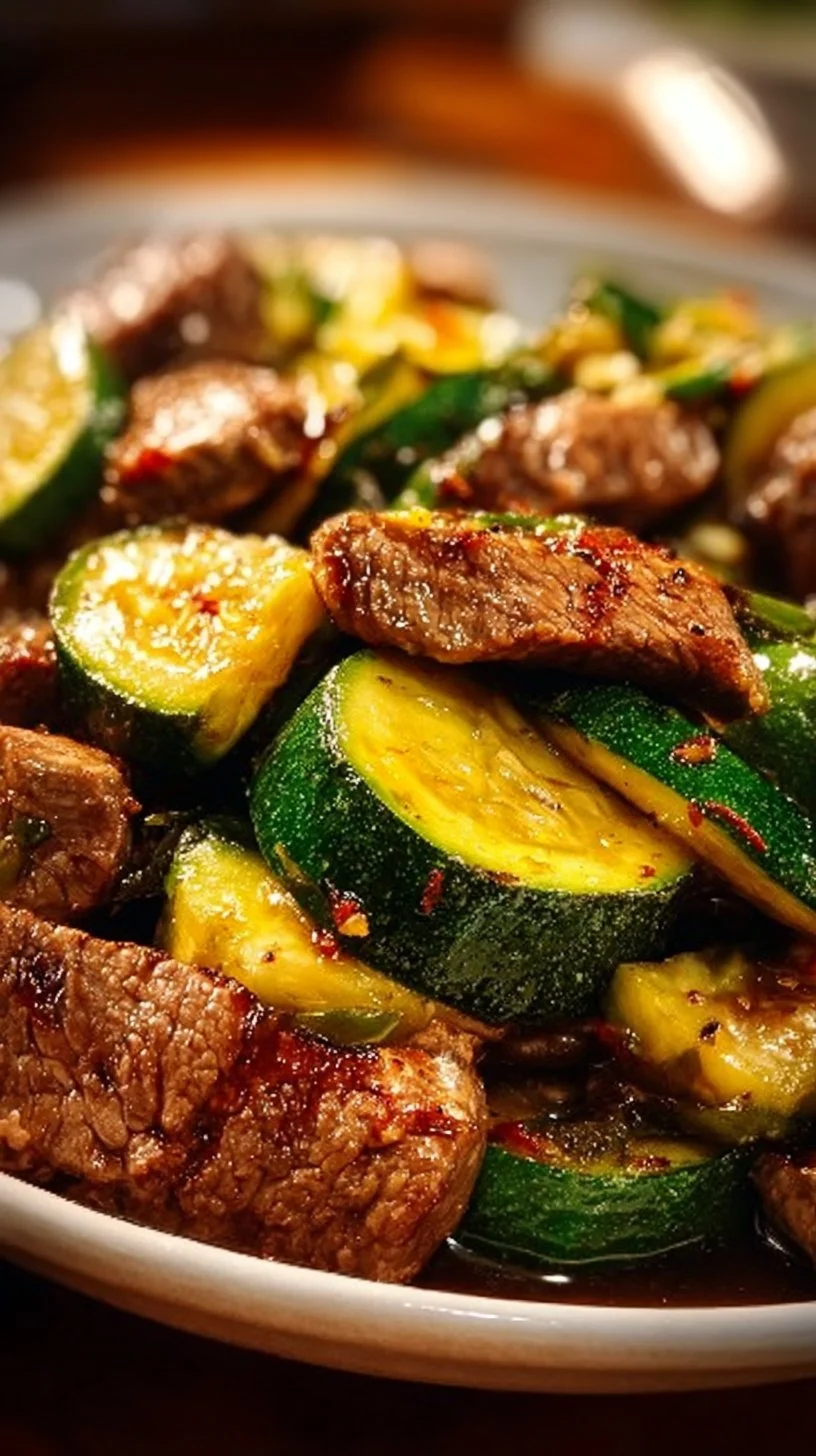
There are meals that arrive quietly at the table and meals that arrive with the sound of memory — a sizzle, a perfume of browned butter and garlic, a ribbon of green zucchini softening at the edges. Garlic Butter Steak Bites with Zucchini is of the latter kind: small in scale, vast in evocation. As someone who has followed kitchens through city markets and mountain villages, I have learned that a handful of ingredients, treated with attentiveness, can carry whole geographies on the tongue. Sometimes, tasting a simple skillet dinner is like listening to an old friend recount a childhood: familiar, immediate, and threaded with detail. In one evening in suburban Lisbon I watched a family coax the last of their butter into a pan while a child ran in to steal a warmed piece of bread; in Buenos Aires, the emphasis on a well-seared cut of beef made me appreciate the reverence steak receives everywhere. This recipe sits at an intimate crossroads between those memories and the household economy of vegetables, meats, and a small, fragrant fat. For a sense of how related dishes can shift with small additions, it’s interesting to compare how a richer sauce changes the experience, much like this garlic butter steak with parmesan cream sauce alters the conversation at the table.
The origin story & regional influence behind this dish
A panful of steak and zucchini is not a classic in the way a stew or dumpling is, with a documented genealogy and provincial pride. Rather, it is an improvised child of two great culinary instincts: the global love of beef and the universal tendency to pair meat with the season’s vegetables. Cattle, butter, and garlic have moved across continents with migrations, colonizations, and trade routes. In the Americas, steaks carry the imprint of cattle ranching cultures — from the gaucho traditions of Argentina to Texas barbecue — while butter, often associated with European dairy practices, gives the dish a velvet finish. Zucchini, thought to be domesticated in the Americas and then refined in Mediterranean gardens, brings an Old-World lightness that speaks of sunlit terraces and modest summer harvests.
This dish can be read as a small embodiment of transatlantic culinary conversation: the beef-forward ethos of the pampas meets Mediterranean vegetable sensibilities and a bit of French technique in the fond left behind in the pan. In lively urban kitchens from Lisbon to Los Angeles, cooks riff on this trio, emphasizing different elements — the sear, the garlic, the cooling tang of herbs — depending on local palates and what the markets offer that day.
How to make Garlic Butter Steak Bites with Zucchini
The method here is unpretentious and immediate, the sort of recipe a home cook reaches for after work or before a small gathering. It asks only for a hot pan, a little patience, and the generosity of butter. For those who enjoy hearty, comforting meals with straightforward execution, this preparation is a ritual as much as a recipe: melt the garlic butter, listen to the hiss as steak meets metal, add zucchini and watch the pan sing as flavors convene. If you enjoy variations on themes, you might pair this with a starchy, gratin-like accompaniment the next time you want something more indulgent, as when a family layers cheese and potato into a communal bake reminiscent of this garlic butter steak cheddar potato bake, which expands the idea into a dinner-pan centerpiece.
Ingredients :
1 lb steak (sirloin or ribeye, cut into bite-sized pieces), 4 tablespoons garlic butter (or butter with minced garlic), 2 medium zucchinis (sliced), Salt and pepper to taste, Fresh parsley (for garnish, optional)
Directions :
- In a skillet over medium-high heat, add the garlic butter., 2. Once melted, add the steak bites and cook for about 2-3 minutes until browned on all sides., 3. Season with salt and pepper., 4. Add the zucchini slices to the skillet, cooking for an additional 3-4 minutes until tender., 5. Serve hot, garnished with fresh parsley if desired.
Ingredients through a cultural & historical lens
Consider each element like a small story. Steak, here in bite-sized pieces, reflects not only taste but social practice: in many cultures meat is a centerpiece shared around a table, portioned thinly or in small morsels to extend a prized ingredient. Sirloin and ribeye are cuts with different textures — sirloin leaner, ribeye marbled with fat — and their histories trace trade routes and butchery traditions that moved from farm to town. Butter and garlic carry a European echo, but garlic’s reach is global: it appears in Korean banchan and Sicilian pasta sauces with equal ease. Zucchini, tender and mute on its own, has always been a cooperative ingredient, taking up flavors and reflecting the land’s seasonal generosity. Parsley is not merely garnish here; in Mediterranean cuisines it is a perfumed punctuation, brightening fat and tempering salt. Seen together, the ingredients are a microcosm of culinary migration: livestock reared on plains, summer squash from warm garden beds, and dairy practices refined in cooler climes.
Cooking the dish: sensory notes & traditional techniques
There is a small liturgy to the cooking: the pan heats until it is almost impatient, the butter gives off a nutty, rich fragrance as the garlic begins to bloom, and then the steak — salted, eager — hits the surface and releases a chorus of sounds. Browning is not only aesthetic; it creates depth. The Maillard reaction — the molecular browning that converts amino acids and sugars into complex flavors — is the alchemy behind that first 2–3 minutes. But rather than dwell on technique, think of this as a conversation of textures: the crisped edges of steak giving way to a tender interior, the zucchini’s raw crunch softening into tender slices that still hold a memory of green freshness. The aroma that rises is of roasted garlic and butter, warm and slightly sweet, threaded with the faint mineral smell of seared beef. Serve it immediately and the plate will steam, the butter shimmering like a small pond around the bites, a warmth that invites hands and stories.
How different regions prepare their version
Across regions, the same logic produces divergent dishes. In the Southern United States, cooks might lean into a heavier butter and a dusting of black pepper and cayenne to echo barbecue heat; in parts of Italy, cooks add a splash of white wine and a scattering of lemon zest to brighten the palette. In Asia, a soy-garlic echo might substitute for butter’s sweetness; cooks there might also slice zucchini into rounds or long batons reflecting noodle-like textures. In France, the approach could be more restrained, using clarified butter to achieve a higher sear without burning garlic, and finishing with a flourish of chopped parsley. Each adaptation tells a story about local taste, available fats, and the ways communities balance richness with brightness. When I taste these regional variations, I am reminded of how a small change — a squeeze of lemon, a pinch of chili — marks place as much as a skyline or a language. For a reminder of how a sweet contrast can follow a savory bite, think of how desserts can transform the meal’s arc, as in this playful chocolate peanut butter banana bites that often appear alongside simpler, savory plates in homes seeking balance.
Traditional ways this dish is shared or served
This recipe lends itself to intimate sharing: a couple around a small table, a family circling a pan passed between plates, or friends gathered for a casual evening. In many Mediterranean and Latin kitchens, food is communal by design; small plates of bites encourage conversation, passing, and the exchange of stories. Steak bites with zucchini can be served as a main with a crusty loaf, as part of a tapas spread accompanied by olives and anchovies, or presented atop a bed of rice or simple pasta to stretch the meal for more mouths. In family kitchens, the dish often becomes entangled with ritual: a weeknight meal after market day, a recovery supper after long travel, a dish that appears when a child needs comfort. There is a humble elegance to it: not showy, but beloved. In some households, a larger pan becomes the centerpiece, and seconds are offered by habit more than hunger.
In these contexts, the dish is as much about the manner of serving as the flavors. Bowls and tongs, a shared platter, the clink of glasses — these are the accompaniments that make the recipe memorable. People often set the pan on the table and let conversation do the rest, which forms part of the dish’s cultural texture.
Storing the dish without losing its cultural essence
Leftovers are part of the narrative. The next-day version of this meal tells its own story: stored properly, the steak will be firmer but still flavorful, the zucchini slightly softer and more translucent. In many cultures, reheating is an act of transformation rather than compromise: a splash of new butter, a quick re-sauté to revitalize the sear, or the addition of a fresh herb to restore brightness. The essence — the memory of garlic and butter, the smoky notes of beef — remains if handled gently. Freeze in a shallow container for longer preservation, but know that the texture will shift. When reheating, aim for a brief, hot revival rather than slow coaxing; it honors the original intention of immediacy and keeps the meal tied to its convivial roots.
Cultural questions people often ask
People often wonder whether simple recipes like this are "authentic" — and authenticity is a slippery concept. This dish’s charm is that it doesn’t need a single point of origin to be meaningful. Questions typically center on substitutions (which often reflect supply and culture), the best cut of meat (a conversation about texture and cost), and whether such a simple meal can be served at celebratory gatherings (often yes, when presented with care). Another common question is how to make the dish feed more people without losing intimacy; responses usually recommend serving it with complementary sides that reflect local customs — grains in Latin contexts, a crisp salad in Mediterranean homes, or roasted potatoes in Northern European kitchens. These answers show that food is not merely a set of ingredients but an ongoing negotiation between resources, desire, and hospitality.
Conclusion
What lingers after Garlic Butter Steak Bites with Zucchini is not only the taste but the memory it evokes: a warm skillet passed around, the hush when someone first tastes something familiar and new, a gesture of generosity in butter and parsley. For further inspiration on variations and meal-planning ideas that build on this dish’s themes, you might explore this meal-prep take on the idea with zucchini noodles in the Garlic Butter Steak Bites with Zucchini Noodles Meal Prep, a version that brightens with citrus moments in the Garlic Butter Steak Bites with Lemon Zucchini Noodles – Eatwell101, or a low-carb approach that keeps the spirit intact in Easy Low Carb Garlic Butter Steak and Zucchini Bites. Each link is a reminder that recipes travel, adapt, and return transformed, much like the people who cook them.
Garlic Butter Steak Bites with Zucchini
Ingredients
Method
- In a skillet over medium-high heat, add the garlic butter.
- Once melted, add the steak bites and cook for about 2-3 minutes until browned on all sides.
- Season with salt and pepper.
- Add the zucchini slices to the skillet, cooking for an additional 3-4 minutes until tender.
- Serve hot, garnished with fresh parsley if desired.