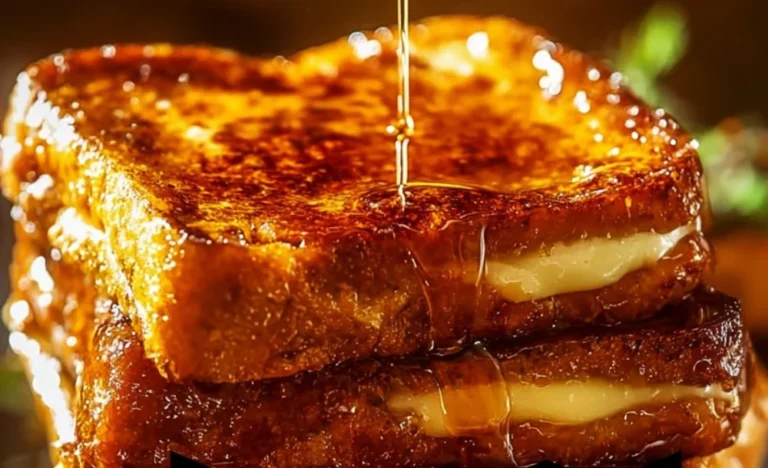
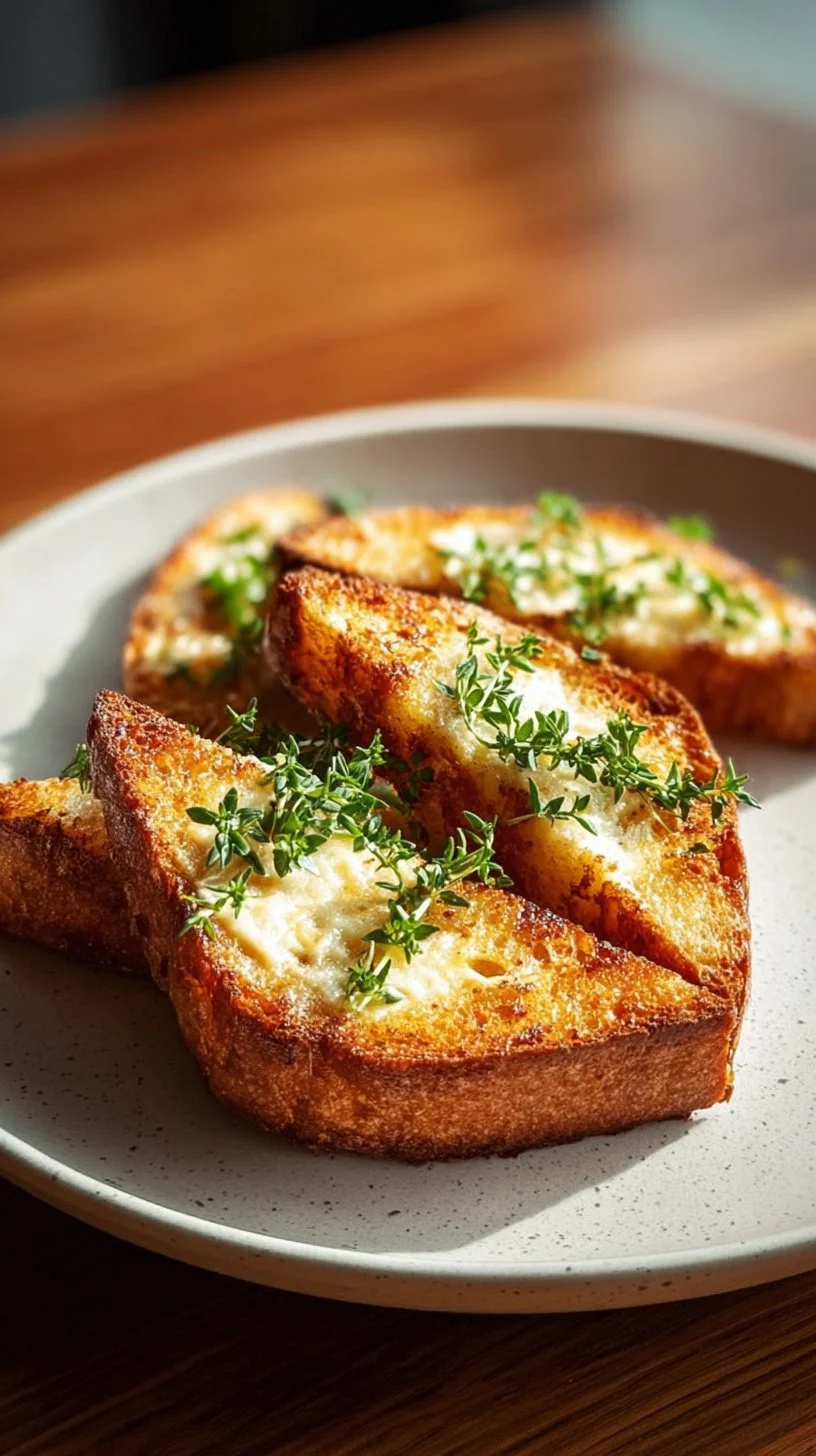
Egg and Cheese Toasts
AARON Introduction
Egg and Cheese Toasts are a simple, satisfying recipe that brings together staple ingredients—bread, egg, and cheese—into a warm, handheld dish. As a nutrition specialist, I view recipes like this as practical opportunities to support steady energy, meet protein needs, and build patterns that are helpful for long-term wellness. This recipe is quick to prepare and easy to adapt to different tastes and schedules, which makes it useful for busy mornings, light lunches, or a nourishing snack between meals. If you like recipes that transform familiar ingredients into something comforting and balanced, you might appreciate exploring similar comforting dishes such as a mac and cheese meatloaf casserole that reimagines classics in one-pan style.
In the next sections I’ll break down how this dish supports digestion and nutrient balance, walk through the exact recipe steps, explain the role of each main ingredient, and offer practical, evidence-based suggestions for storage, reheating, and pairing so you can use this recipe within a health-focused routine.
How this recipe supports overall wellness
Egg and Cheese Toasts deliver several features that support wellness: they combine protein, fat, and carbohydrate in one serving, which helps slow digestion and provide more stable energy than carbohydrates alone. The egg offers high-quality protein and important micronutrients like choline, which supports cell membranes and brain function; the cheese contributes additional protein and calcium for bone health; and the whole-grain or hearty sandwich bread supplies fiber and B vitamins if you choose a higher-fiber loaf.
From a digestive perspective, combining modest amounts of fat and protein with carbohydrate reduces rapid blood sugar excursions and tends to reduce post-meal hunger, which can help you eat in rhythm across the day. The fresh herbs and optional pinch of cayenne add flavor without added sodium or sugars, supporting enjoyment of food—an important, often overlooked part of sustainable healthy eating. The method—baking rather than frying—uses less added oil, which is helpful if you’re watching overall fat intake while preserving nutrient density and flavor.
How to make Egg and Cheese Toasts
This section reviews the stepwise process you will follow: toasting, mixing, spreading, and baking to a golden puff. The method is straightforward and relies on a short bake to set the egg-cheese mixture on the bread, producing a tender filled toast. Because the technique is quick, it’s practical for preparing a nourishing meal with minimal cleanup, which increases the likelihood you’ll choose a homemade option rather than a packaged alternative. For variations that keep the baked-cheese-and-egg template while offering new textures and flavors, consider exploring other recipe ideas such as a garlic-butter chicken and bowtie pasta dish that pairs protein and vegetables for a single-pan meal.
Follow the directions exactly as written in the recipe section below for consistent results, and use the troubleshooting tips later if your toast is too soggy or the topping does not puff as expected.
Ingredients :
2 slices hearty sandwich bread, 1 large egg, 1/2 cup (2 ounces) grated cheese (cheddar, pepper jack, or gruyere), 1 teaspoon finely chopped fresh herbs (thyme or rosemary), Salt and black pepper to taste, Pinch of cayenne (optional)
Directions :
- Lightly toast the bread or broil each side for 1–2 minutes.
- Preheat oven to 400°F (toaster oven: bottom rack, BAKE setting).
- Beat the egg in a small bowl until fully combined.
- Stir in cheese, herbs, salt, and pepper.
- Spread the mixture to the edges of the toasted bread; sprinkle cayenne if using.
- Bake for 10–12 minutes until puffed and golden.
Nutrient roles of each main ingredient
Bread: The type of bread determines fiber and micronutrient content. Hearty sandwich bread or whole-grain bread provides complex carbohydrates and fiber that support regular bowel function and feed beneficial gut bacteria. Fiber also helps regulate blood sugar and keeps you feeling satisfied longer. If you select a bread fortified with iron or B vitamins, you gain additional nutrients that support energy metabolism.
Egg: Eggs are a compact source of complete protein, meaning they provide all essential amino acids the body cannot make. They also supply choline (important for liver and brain health), vitamin D in small amounts, and bioavailable minerals such as selenium. Protein slows gastric emptying, which supports stable energy and reduces rapid hunger cues.
Cheese: Cheese contributes protein and dietary fat along with calcium and phosphorus for bone maintenance. The fat helps absorb fat-soluble vitamins and contributes to mouthfeel and satiety. Moderation matters for sodium and saturated fat, but the modest amount used here (about 2 ounces split across two slices) can fit into a varied, balanced diet.
Herbs and spices: Fresh herbs like thyme or rosemary add aroma and phytochemicals with antioxidant properties at very low calories. Cayenne pepper, used sparingly, can enhance flavor and may modestly stimulate digestion through increased salivation, improving meal enjoyment.
The preparation method & its health impact
This recipe uses a combination of brief toasting and baking. Toasting first helps the bread resist becoming soggy when topped with the egg-cheese mixture; that preserves texture and encourages more pleasant chewing and digestion. Baking sets the egg without deep-frying, keeping added fats low. The relatively short bake time concentrates heat enough to make the mixture puffy and golden while minimizing nutrient losses—many vitamins remain stable in short, dry-heat cooking.
From a health perspective, using a toaster oven or regular oven is preferable to pan-frying in excess butter or oil if you aim to reduce caloric density from added fats. The method also produces a portion-controlled dish; spreading the mixture to the edges creates an even thickness so cooking is predictable and you don’t end up with an undercooked center that could affect food safety.
Ways to lighten, enrich or modify the dish nutritionally
If you want to change the nutrient profile while keeping the core recipe intact, consider these evidence-aligned options:
- Lighten: Use a lower-fat cheese or reduce the cheese to 1/3 cup to lower saturated fat. Choose whole-grain, high-fiber bread for more fiber without changing the proportions in the egg-cheese mix.
- Enrich protein: Add finely chopped cooked lean turkey or a tablespoon of Greek yogurt into the egg mixture (stirred in after beating) to increase protein density and creaminess.
- Boost vegetables: Serve with a side of quickly sautéed spinach, arugula, or tomato slices; these add fiber, color, and micronutrients without altering the recipe steps.
- Increase healthy fats: For those who need more energy, add a small drizzle of extra-virgin olive oil or top with sliced avocado after baking for monounsaturated fats and additional fiber.
- Sodium considerations: Reduce added salt and rely on herbs and a small amount of a sharper cheese (like gruyere) to provide strong flavor so you can use less sodium overall.
If you’d like inspiration for sweet or dessert-style small plates that use cheese differently, explore a few creative recipes such as mini Easter cheesecakes with chocolate eggs that show how cheese can be used across meal types.
Pairing ideas for a balanced, complete meal
To make a filling, balanced meal from Egg and Cheese Toasts, combine them thoughtfully with other food groups:
- Vegetables: A side salad of mixed greens, cucumbers, and cherry tomatoes dresses up the meal and increases fiber and micronutrient intake.
- Fruit: Fresh fruit like orange segments or apple slices offers water, fiber, and vitamins, and complements the savory toast.
- Additional protein: If you need more protein for your day (e.g., post-workout or for higher daily needs), add a small bowl of Greek yogurt or a handful of edamame.
- Beverage: Plain water, sparkling water with a twist of lemon, or unsweetened tea keep added sugars and excess calories down while supporting hydration.
These pairings help ensure the meal provides a balance of macronutrients and keeps digestion steady; combining fiber-rich plants and protein-rich foods slows nutrient absorption and supports satiety. For more one-dish savory inspiration that combines proteins and starches, you might enjoy the creative contrasts in recipes that pair unexpected flavors, which can spark ideas for balanced meal planning.
Safe storage, food safety & optimal reheating
Food safety is straightforward with this recipe. Store any leftovers in an airtight container in the refrigerator within two hours of cooking and consume within 3–4 days. If you know you won’t eat leftover toasts within that window, freeze them individually wrapped for up to one month; thaw overnight in the refrigerator before reheating.
Reheating advice:
- Oven or toaster oven: Preheat to 350°F and reheat for 8–10 minutes until warmed through and slightly crisp to revive texture.
- Stovetop: Warm gently in a nonstick skillet over low heat, cover briefly to retain moisture, then remove the lid to crisp the base.
- Microwave: Use only when time is limited; microwave on medium power for 30–60 seconds, then check and avoid overheating which makes the bread chewy. Finish for a minute in a skillet if possible to restore texture.
Always reheat until the internal temperature reaches at least 165°F for safety, especially if you added extra proteins or dairy-based mix-ins.
Common nutrition questions about this dish
Q: Will the cheese make this dish too high in saturated fat?
A: In moderate portions (the recipe uses about 2 ounces total), cheese contributes saturated fat but also important nutrients like calcium and protein. If you’re monitoring saturated fat, reduce the cheese amount or choose a lower-fat option and pair the toast with vegetables to keep the meal balanced.
Q: Is this suitable for people trying to lose weight?
A: The recipe can fit into a calorie-controlled plan. Focus on portion control, choose whole-grain bread for more fiber, and add vegetables to increase volume without many calories. Baking keeps added fats low, and the protein helps manage hunger.
Q: Is it okay for people with digestive sensitivity?
A: For those sensitive to dairy, use a small amount of a lower-lactose cheese or eliminate cheese (though that changes the recipe’s flavor profile). If you have egg sensitivity or allergy, this recipe is not appropriate—seek alternative plant-based egg substitutes and adjust accordingly.
Q: Can children eat this?
A: Yes, it is generally suitable for older infants and children who have been introduced to these foods; ensure bites are small and textures appropriate. For toddlers, reduce salt and avoid the cayenne.
Final wellness notes
Egg and Cheese Toasts are a good example of a portable, adaptable recipe that supports habit-building around balanced meals. They are nutrient-dense compared with many convenience options, deliver filling protein and calcium, and can be paired with vegetables and fruit to round out micronutrient intake. The method is simple and reproducible—qualities that help people maintain consistent, healthful eating patterns. Use the recipe as a template: keep the core steps the same, and make small, sustainable adjustments that fit your taste preferences and health needs. Small, consistent changes to how you prepare familiar foods often yield more long-term benefit than dramatic, short-term overhauls.
Conclusion
If you want to compare technique or see a slightly different presentation of the same idea, this version at Toaster Oven Love’s Egg and Cheese Toasts shows one way to adapt the bake for toaster ovens. For another take on the egg-and-cheese-on-toast concept that emphasizes quick simplicity, see Delicious Meets Healthy’s Cheese and Egg Toast. And if you enjoy browsing family-friendly variations and step-by-step photos, the Cheesy Baked Egg Toast post offers a home-cook perspective that can spark small meal-planning ideas.
Egg and Cheese Toasts
Ingredients
Method
- Lightly toast the bread or broil each side for 1–2 minutes.
- Preheat oven to 400°F (toaster oven: bottom rack, BAKE setting).
- Beat the egg in a small bowl until fully combined.
- Stir in cheese, herbs, salt, and pepper.
- Spread the mixture to the edges of the toasted bread; sprinkle cayenne if using.
- Bake for 10–12 minutes until puffed and golden.