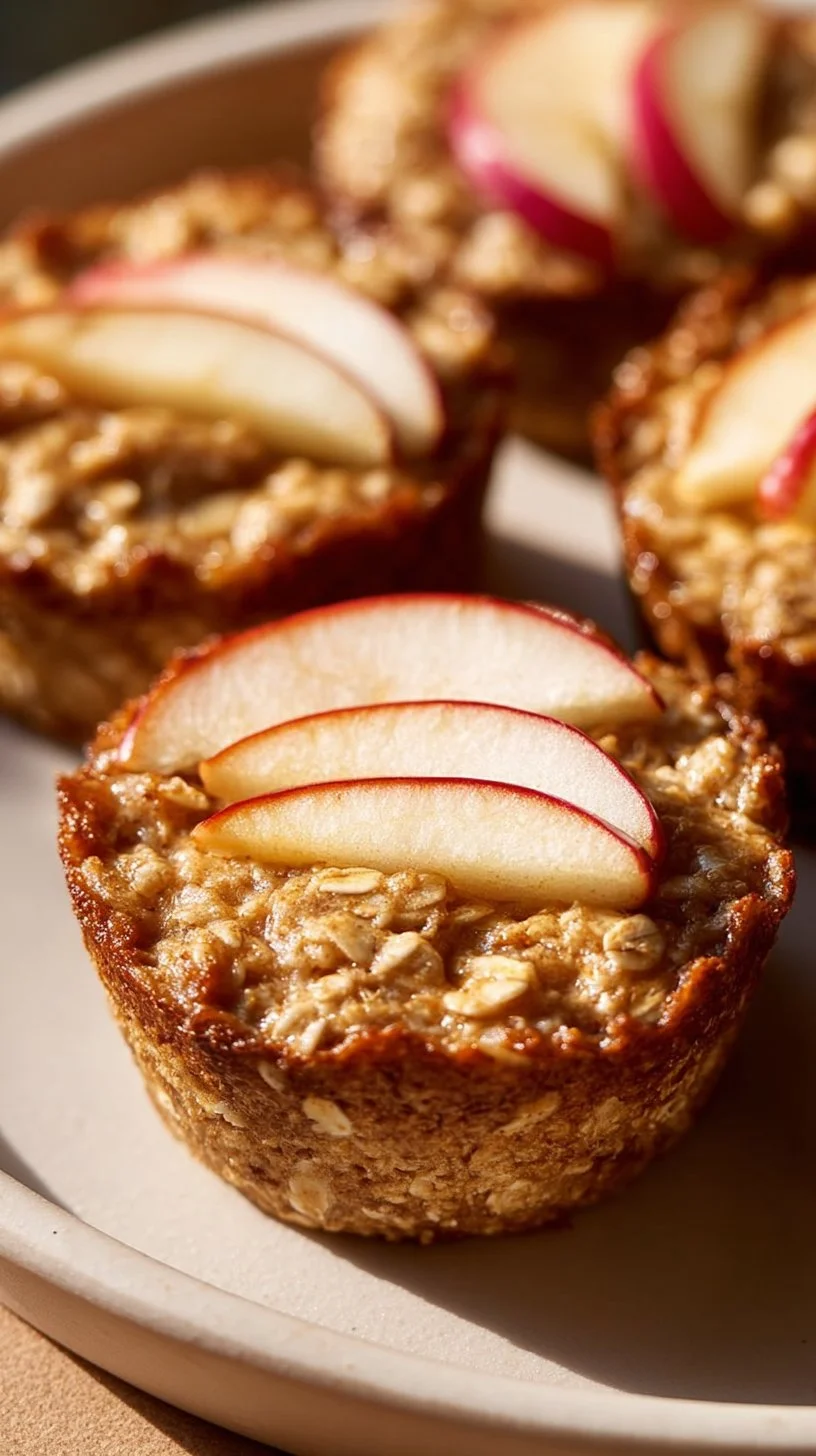
Fluffy Baked Apple Cinnamon Oatmeal Cups
AARON Introduction
Fluffy Baked Apple Cinnamon Oatmeal Cups are a comforting, nutrient-dense option that can easily be woven into a balanced weekly routine. As a nutrition specialist, I look for recipes that support steady energy, digestive health, and simple meal planning — and this recipe checks many of those boxes. It combines whole grains, fruit, protein, and optional nuts for texture and healthy fats. If you enjoy rotating breakfast and brunch options, pairing nutrient-rich bakes with lean proteins across the week helps maintain balance; for example, rotating days with savory mains like Baked Chicken Cordon Bleu can provide variety in both flavor and macronutrient profiles. In this piece I’ll walk through how these oatmeal cups support digestion and overall wellness, break down what each ingredient contributes, discuss the health implications of the preparation method, and offer practical, evidence-based suggestions to adjust meals around them for long-term habits.
How this recipe supports overall wellness
These oatmeal cups support overall wellness in several practical ways. First, rolled oats are a source of soluble fiber (notably beta-glucan) that helps moderate blood sugar responses after a meal and supports a healthy gut environment. Apples add additional fiber, water, and polyphenols that favour digestion and provide antioxidants without relying on added sugars alone. Eggs are a compact protein source that helps stabilize appetite and supports muscle maintenance and metabolic health. Nuts, when used, contribute heart-healthy unsaturated fats and additional protein and fiber. Even the modest amount of brown sugar can be balanced within a meal pattern by focusing on portion control and pairing with proteins or healthy fats.
The combination of complex carbohydrates, protein from eggs, and optional fats from nuts makes these cups useful for sustained energy and satiety, which supports adherence to healthier routines over time. For those who appreciate sweet baked breakfasts, pairing them occasionally with a small, nutrient-focused treat can help avoid feelings of deprivation; for example, a balanced snack or small dessert option like Chewy Maple Cinnamon Cookies can be enjoyed in moderation alongside structured meals. The key is consistency, portion awareness, and enjoying whole-food ingredients most of the time rather than relying on extreme restrictions.
How to make Fluffy Baked Apple Cinnamon Oatmeal Cups
This section guides you through the method in practical terms while keeping the recipe exactly as written. The recipe is straightforward: combine rolled oats and milk to create the base, fold in diced apples for moisture and texture, sweeten mildly with brown sugar, season with cinnamon and vanilla for flavor complexity, and bind the mixture with eggs. Nuts and raisins are optional and can be stirred in for extra texture and nutrient density. Greasing the muffin tin prevents sticking while baking creates a lightly golden, fluffy interior that holds shape. After baking, allow the cups to cool briefly to let structure set, then remove and enjoy warm or refrigerate for meal prep. These steps encourage safe handling and predictable results, making them ideal for batch cooking on a weekend or preparing single portions for weekday breakfasts.
Ingredients :
2 cups rolled oats, 2 cups milk (or dairy alternative), 2 large apples, diced, 1/2 cup brown sugar, 2 teaspoons cinnamon, 1 teaspoon vanilla extract, 1/4 teaspoon salt, 1/4 cup chopped nuts (optional), 1/4 cup raisins (optional), 2 eggs
Directions :
- Preheat the oven to 350°F (175°C) and grease a muffin tin., 2. In a large bowl, mix rolled oats, milk, diced apples, brown sugar, cinnamon, vanilla extract, salt, and eggs until combined., 3. If using, stir in nuts and raisins., 4. Pour the mixture into the prepared muffin tin, filling each cup about 3/4 full., 5. Bake for 25-30 minutes or until the tops are golden and a toothpick inserted comes out clean., 6. Allow to cool slightly before removing from the tin. Enjoy warm or store for meal prep.
Nutrient roles of each main ingredient
Rolled oats: Oats are primarily a source of complex carbohydrates and soluble fiber (beta-glucan). This fiber slows digestion moderately, helping reduce rapid blood sugar spikes and supporting a healthy microbiome. Oats also provide some plant-based protein and micronutrients like manganese, phosphorus, and iron.
Milk (or dairy alternative): Milk contributes additional protein (whey and casein in dairy), calcium, vitamin D if fortified, and fluid to hydrate the oats. Dairy alternatives vary: fortified plant milks can supply calcium and vitamin D but differ in protein content, so choose according to your overall dietary pattern.
Apples: Apples add natural sweetness, water, and both soluble and insoluble fiber, which together support bulk in the digestive tract and help with regularity. The peel contains polyphenols that contribute antioxidant activity.
Brown sugar: Provides quick energy and contributes to texture and flavor. While it’s fine within a balanced pattern, being mindful of portion size helps keep added sugars moderate.
Cinnamon: Adds flavor with minimal calories and some bioactive compounds that may enhance taste perception, allowing you to enjoy sweetness with less added sugar.
Vanilla extract and salt: Both enhance overall flavor complexity, making the recipe more satisfying so you’re less likely to add extra sugary toppings.
Eggs: Eggs are a high-quality protein source with necessary amino acids that support tissue maintenance and satiety. They also help bind the mixture so the cups hold together.
Nuts (optional): Offer heart-healthy monounsaturated and polyunsaturated fats, extra protein, vitamin E, and minerals. A small amount enhances satiety and adds nutrient density.
Raisins (optional): Concentrated source of carbohydrates and potassium, useful if you need extra quick energy, but they also add sugar, so use mindfully.
The preparation method & its health impact
Baking as a preparation method preserves nutrients better than many high-heat frying techniques because it’s a dry heat method without added oils. For this recipe, baking sets the structure so the oats absorb the milk and eggs, producing a fluffy texture without excessive added fats. The relatively moderate oven temperature (350°F / 175°C) minimizes over-browning that can create bitter flavors and preserves delicate phytonutrients in the apples. Because the recipe is portioned into muffin cups, it supports portion control, which is useful for maintaining calorie balance over time.
From a digestive standpoint, baking softens the oats and apples, which can make the meal easier to digest for many people compared to raw oats. The inclusion of both soluble and insoluble fiber promotes slower gastric emptying and healthier bowel function when consumed as part of a diet that includes adequate fluids. If you have specific digestion concerns (for example, FODMAP sensitivity to apple content), consult a registered dietitian to tailor the recipe to your needs.
Ways to lighten, enrich or modify the dish nutritionally
Keeping the recipe intact, you can influence its nutritional effect by what you pair it with and how often you include it in your meal plan. To reduce added sugar impact without changing the recipe text, consider consuming one oatmeal cup with a source of protein or healthy fat (Greek yogurt, nut butter) to blunt blood sugar response. To enrich the protein content, serve alongside a hard-boiled egg or a small container of cottage cheese. If you want to increase fiber and nutrient density without altering the recipe itself, add a side of fresh berries or a small salad of spinach and citrus.
For those who want to maintain flavor while minimizing refined sugar intake overall, rotate these oatmeal cups with lower-sugar breakfasts and use them strategically as a more indulgent but still nutrient-forward option. If you’re focused on heart health, emphasize the optional nuts for unsaturated fats, keeping portion sizes modest. When aiming for weight management, focus on portion size and the timing within total daily intake rather than eliminating beloved recipes entirely. For creative inspiration, balance these baked oatmeal cups with different breakfasts across the week — variety supports adherence and nutrient diversity; recipes like Cinnamon Roll Bliss Bars might be reserved for special rotations rather than daily consumption.
Pairing ideas for a balanced, complete meal
To create a balanced meal around one or two oatmeal cups, think in terms of adding extra protein and non-starchy vegetables or fruit. Some practical pairings:
- A dollop of plain Greek yogurt and a sprinkle of seeds (chia or flax) adds protein, calcium, omega-3 precursors, and extra fiber.
- A small handful of raw nuts or a smear of nut butter supplies healthy fats that improve nutrient absorption and satiety.
- A side of fresh fruit or a small green salad can increase micronutrient variety and expand the meal’s volume without too many extra calories.
- For a savory-sweet combo, pair an oatmeal cup with a hard-boiled egg or a small portion of cottage cheese to balance macronutrients and support prolonged fullness.
If you’re planning a brunch spread or family-style meal, rotating a baked oatmeal option with other items keeps the plate interesting. For example, offering a baked oatmeal cup alongside a vegetable-based quiche or fritter supports a mix of carbohydrates, proteins, and vegetables — an approach more likely to sustain energy and satisfaction than a sugar-heavy plate. For ideas that mix flavors and textures in a meal rotation, consider occasional pairings with treats like Black Forest mini dessert cups as planned indulgences rather than everyday choices.
Safe storage, food safety & optimal reheating
Store cooled oatmeal cups in an airtight container in the refrigerator for up to 4–5 days. For longer storage, freeze individual cups separated by parchment in a freezer container for up to 2–3 months. When reheating from the fridge, microwave for 20–40 seconds depending on wattage, or warm in a low oven (about 300°F / 150°C) for 8–12 minutes until heated through. When reheating from frozen, allow partial thaw in the refrigerator overnight, then reheat thoroughly. If reheating from fully frozen, microwave in short intervals and check the center to reach a safe, warm temperature.
Practice basic food safety: cool the baked cups to room temperature no longer than two hours after baking, then refrigerate promptly. If any off-odors, visible mold, or slimy textures appear, discard. Use clean utensils when serving to avoid cross-contamination, and keep perishable accompaniments (yogurt, dairy, spreads) refrigerated separately until use.
Common nutrition questions about this dish
Will the brown sugar make these unhealthy? In moderation, brown sugar provides flavor and a pleasant texture. When balanced with protein, fiber, and fats, occasional sweet baked items can fit into a healthful pattern. Focus on frequency and portion size rather than single-occasion labeling.
Are these suitable for weight loss? They can be useful within a calorie-controlled plan because they provide fiber and protein for satiety. Track total daily intake and include vegetables, lean proteins, and physical activity for sustainable weight management.
What if I have blood sugar concerns? Pairing an oatmeal cup with protein or healthy fat can help moderate post-meal glucose rises. If you have diabetes or prediabetes, monitor your blood sugars to see personal responses and consult with a healthcare provider for individualized guidance.
Are oats gluten-free? Rolled oats are naturally gluten-free, but cross-contamination can occur. If you have celiac disease or severe gluten sensitivity, choose certified gluten-free oats.
How can I make them kid-friendly? Younger children often respond well to mild textures and familiar flavors. Serve a warm oatmeal cup with milk or yogurt and a piece of fruit to cover core nutrient needs while keeping portions age-appropriate.
Final wellness notes
This recipe is a practical example of how simple ingredients can be combined to support digestion, sustained energy, and meal planning. It emphasizes whole foods — oats and apples — and uses eggs to add quality protein, making it a balanced option when paired thoughtfully within the day. The optional nuts and raisins add nutrient complexity, and the method of baking into individual cups supports portion control and convenience for busy schedules. Long-term wellness comes from variety, consistency, and moderate enjoyment of favorite foods; this recipe fits well into a flexible, sustainable approach.
Conclusion
For a variety of recipe ideas that share the baked-oatmeal concept and flavor profile, you might find inspiration in Apple Cinnamon Baked Oatmeal Cups, or explore Apple Cinnamon Oatmeal Cups – Taffey Bakery for presentation and serving ideas. If you’re interested in a nut-forward version with added richness, Almond Butter Apple Cinnamon Baked Oatmeal Cups provides a useful comparison for optional flavor and texture adjustments.
Fluffy Baked Apple Cinnamon Oatmeal Cups
Ingredients
Method
- Preheat the oven to 350°F (175°C) and grease a muffin tin.
- In a large bowl, mix rolled oats, milk, diced apples, brown sugar, cinnamon, vanilla extract, salt, and eggs until combined.
- If using, stir in chopped nuts and raisins.
- Pour the mixture into the prepared muffin tin, filling each cup about 3/4 full.
- Bake for 25-30 minutes or until the tops are golden and a toothpick inserted comes out clean.
- Allow to cool slightly before removing from the tin. Enjoy warm or store for meal prep.