Strawberry Cinnamon Rolls
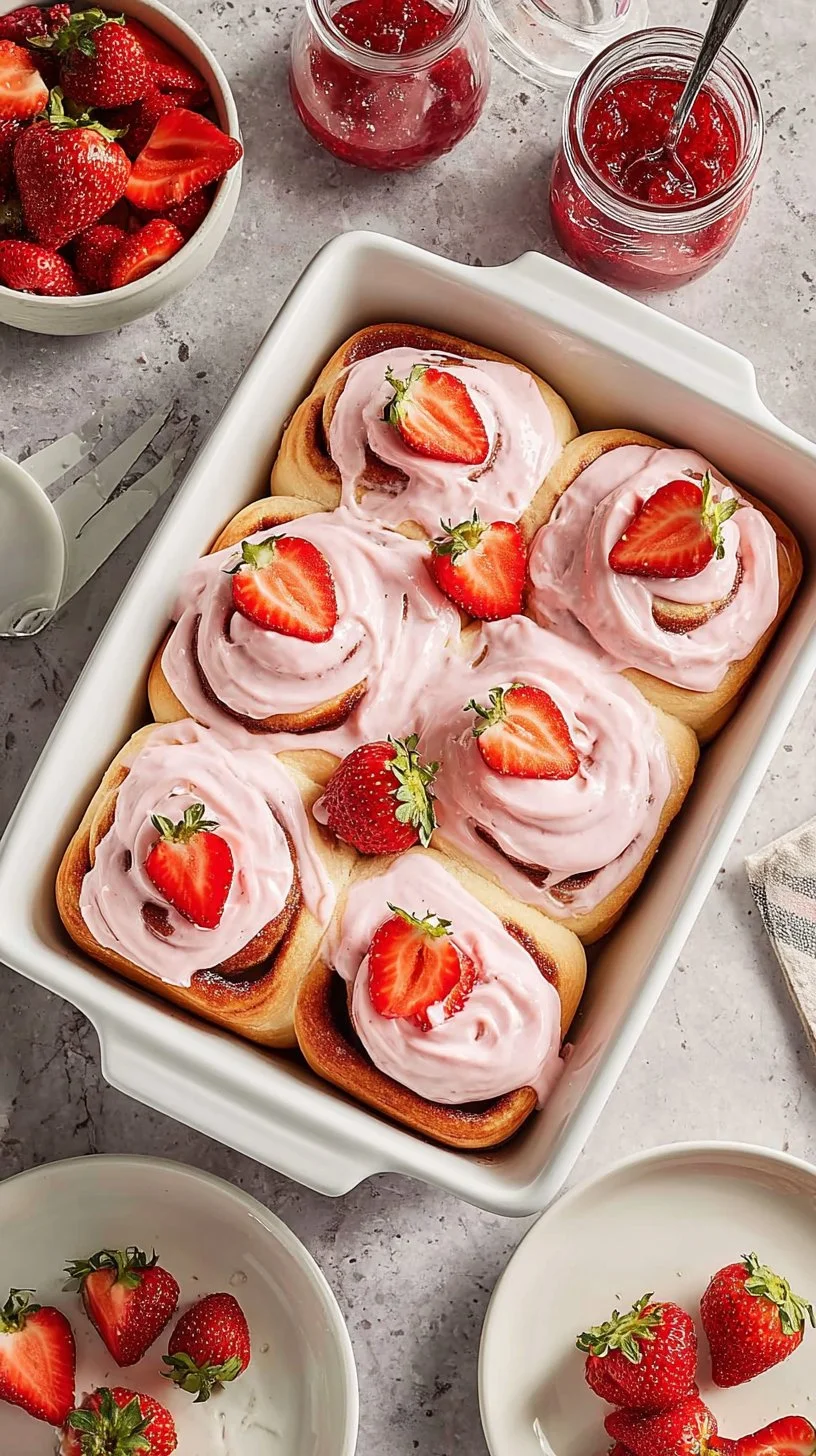
The first time I bit into a strawberry cinnamon roll, I was standing under a tin awning in a coastal market where the sea and the city’s spice stalls seemed to argue about which scent would arrive first. A warm, pillowy coil of dough, still steaming at the core, met a tang of bright strawberry and the ghost of cinnamon — an ordinary pastry that behaved like a memory: immediate, affectionate, and impossible to forget. Recipes like this one travel differently than postcards. They arrive on the breath of bakers and grandmothers, in pockets of flour, in the quiet clatter before dawn. If you enjoy how a sweet, enriched dough can anchor a morning, you might also like the buttery nostalgia of chewy maple cinnamon cookies, which share that same intimate hold on memory.
There is a universal comfort in a roll baked until its edges turn golden and its center retains a softness that yields to the fork. Strawberry cinnamon rolls weave together two simple pleasures — fruit and spice — into something that speaks of both summer and hearth. In this piece I’ll walk you through the story and the making of strawberry cinnamon rolls, and I’ll trace the dish across kitchens, markets, and seasons, looking at how people keep food alive through ritual and travel.
The origin story & regional influence behind this dish
Cinnamon rolls have a long lineage that threads through Northern Europe, the United States, and the bakeries of global cities. The classic sweet spiral — enriched dough coiled around butter and cinnamon — is a child of yeasted bread traditions common to Scandinavia and central Europe, where enriched doughs often accompany coffee and conversation. The idea of folding fruit into these spirals feels like a later, improvised generosity: a berry harvest celebrated in the pastry tin, or the bright impulse of immigrant bakers reimagining a familiar form with local produce.
Strawberries, by their nature, are local and seasonal. They carry the warmth of sun and soil; they announce summer in orchards from California to Andalusia to Hokkaido. When strawberries meet the soft, yeasted roll, something cultural happens: a northern European format meets a fruit that is often associated with late spring and coastal sunshine. In the United States, this mash-up channels farm-to-table impulses; in Mediterranean markets it might echo the pastry stalls that layer fruit into flaky dough. Across regions, the roll becomes a hybrid — a Danish cousin or an American brunch star depending on the city and the baker’s hand.
What makes this juxtaposition particularly interesting is how communities fold their stories into it. In small towns, strawberry cinnamon rolls might appear at church bazaars alongside pies; in urban bakeries, they become a seasonal special that draws queues. The result is a recipe that feels both old-fashioned and very now — anchored to tradition but adaptable to the seasons and the locales that adopt it.
How to make Strawberry Cinnamon Rolls
There is ritual in the kitchen that is not technical but human: the pause while a dough rises, the quiet satisfaction of a counter dusted with flour, the communal impatience as rolls cool. Below, the recipe as given captures those moments without asking for specialization. Follow the dough’s cues as much as the clock — it will tell you when it’s ready.
Ingredients :
260 ml (1 cup) warm milk, 10 g (1 tbsp) instant dry yeast, 540 g (4 ¼ cups) all-purpose flour, 65 g (⅓ cup) granulated sugar, 1 tsp salt, 1 large egg, room temperature, 80 g (⅓ cup) unsalted butter, very soft, 250 g (1 ¾ cups) fresh or frozen strawberries, 50 g (¼ cup) granulated sugar (for filling), Juice of half a lemon, 100 g (½ cup) cream cheese, softened (Philadelphia recommended), 40 g (3 tbsp) unsalted butter, softened (for glaze), 60 g (½ cup) powdered sugar, 1 tsp vanilla extract, 2 tbsp strawberry puree, cold (from the filling)
Directions :
Place the fresh or frozen strawberries in a saucepan with the lemon juice and granulated sugar. Cook over medium heat for about 10 minutes, stirring occasionally, until the mixture thickens to a jam-like consistency. Remove from heat and blend with an immersion blender or in a food processor until smooth. Cover with plastic wrap and refrigerate until completely cool., In the bowl of your stand mixer fitted with a dough hook, combine the dry ingredients: flour, granulated sugar, salt, and instant dry yeast. Mix briefly. Add the warm milk, softened butter, and the egg. Knead for 5 to 7 minutes on medium speed until the dough is smooth, elastic, and slightly pulls away from the sides of the bowl. It should be soft but not overly sticky. Cover the dough with a clean cloth and let it rise in a warm, draft-free place for about 2 hours, or until doubled in size., Lightly flour a clean surface. Roll out the risen dough to form a large rectangle, approximately 40 x 30 cm (16 x 12 inches). Spread the cooled strawberry filling evenly over the entire surface of the dough, leaving a small border at one of the longer edges. Starting from the opposite long edge, gently but firmly roll the dough into a tight log. Use a sharp knife or unflavored dental floss to cut the log into 12 even strips., Arrange the cut rolls in a large, greased baking dish (a 9×13 inch dish works well), leaving a little space between each roll. Cover the dish again with a clean cloth and let the rolls rise for another 30 minutes to 1 hour, or until visibly puffy. Meanwhile, preheat your oven to 180°C (350°F). Bake the rolls for about 20-25 minutes, or until they are lightly golden brown on top and soft to the touch. Remove from oven and let them cool slightly in the dish., p id=”instruction-step-5″>5. While the rolls are cooling, prepare the glaze. In a medium bowl, beat together the softened cream cheese, softened unsalted butter, powdered sugar, vanilla extract, and the cold strawberry puree with an electric mixer for 1-2 minutes, until the glaze is smooth, creamy, and a beautiful light pink color. Adjust sweetness or thickness if desired by adding more powdered sugar or a tiny bit more milk., p id=”instruction-step-6″>6. Spread the freshly made strawberry cream cheese glaze generously over the slightly warm cinnamon rolls. The warmth of the rolls will allow the glaze to melt slightly and seep into all the nooks and crannies. Serve immediately and enjoy the warm, sweet, and tangy flavors!
Ingredients through a cultural & historical lens
Every ingredient reads like a line in a map. Milk and butter speak to dairy traditions in colder climates; eggs, yeast, and flour tell of peasant breads elevated by leisure and time. Sugar and vanilla hint at colonial and global trade histories that brought far-flung flavors into everyday kitchens. Strawberries, though humble, have their own cultural weight: in Victorian England they were tokens at summer fetes, in Japan they are cultivated like jewels, and in many rural American towns they form the backbone of local festivals. When you place strawberry puree beside cream cheese glaze, you are also placing a New World berry beside an Americanized dairy confection — an instance where place and history meet on a spoon.
There is also the social history embedded in this pastry: enriched doughs were often reserved for celebrations because of the relative expense of butter and sugar. A tray of strawberry cinnamon rolls on a table speaks of generosity, hospitality, and sometimes the cadence of suburban brunch culture. The dish becomes ceremonial whether it is served under a backyard pergola or inside a bakery window on a rain-slick city morning.
Cooking the dish: sensory notes & traditional techniques
This recipe rewards tactile patience. As you knead, the dough should feel supple; as it rises, the surface smooths like a promise. The strawberry filling cooks down into a jam-like gloss, carrying lemon brightness that cuts the sugar and lifts the whole pastry. When baking, smell will be your immediate guide: the oven perfume is a chorus of caramelizing fruit, a whisper of butter, and the comforting spin of yeast.
Traditional techniques here are less about precision and more about rhythm. Letting the dough rest will change its temperament; rolling it tightly will determine how the swirl opens in the oven. Using dairy-forward glaze — cream cheese and butter — connects this pastry to American breakfast traditions where thick, glossy frostings are as much a part of the experience as the roll beneath. Serve slightly warm so the glaze softens and the strawberry notes bloom on the tongue.
How different regions prepare their version
The strawberry cinnamon roll is a chameleon. In the American Midwest, it might appear as a brunch showstopper with a thick cream cheese glaze and oversized coils. In a Scandinavian kitchen, fruit fillings often sit more sparingly in a cardamom-scented dough; imagine a roll where cardamom nudges cinnamon aside, and the fruit is a hint rather than a flood. In Japan, where presentation is precise, the strawberry filling may be glossier and the rolls smaller, sold in neat rows with immaculate glazing. In warm Mediterranean towns, bakers might lean into olive oil-enriched doughs and roast the strawberries slightly to concentrate sweetness before filling.
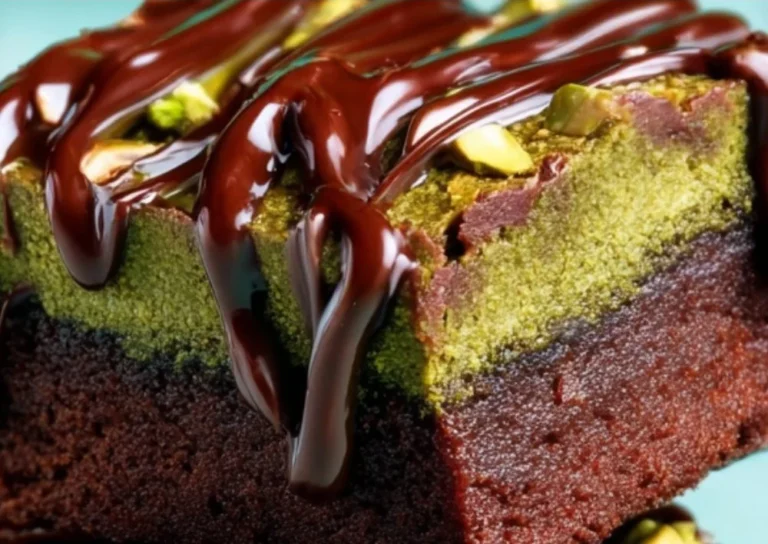
Each iteration reveals priorities of place: the proportion of butter, the use of spices, and the texture of the dough change with climate and culture. If you’re curious how pastry forms change across contexts, consider how another chocolate-and-strawberry hybrid becomes a dense, fudgy dessert in one kitchen and a light tart in another — a contrast I’ve explored in recipes like chocolate-covered strawberry brownies.
Traditional ways this dish is shared or served
Sharing strawberry cinnamon rolls is often an unceremonious act of love: a pan brought to a neighbor after a birth, a contribution to a potluck, or a centerpiece for a lazy Sunday breakfast. In many families, the act of rolling the dough and cutting the slices is communal — a parent guiding small hands to press, fold, and turn. In bakery culture, a morning queue forms around scent and ritual; vendors ring a bell or call out the day’s specials, and the rolls become part of a daily ritual of pause.
Culturally, the roll sits comfortably in both formal and intimate settings. It can accompany a celebratory table of coffee and floral arrangements or be wrapped in wax paper and eaten one-handed while watching a storm. No matter the setting, it’s a food that asks to be shared and savored slowly.
Storing the dish without losing its cultural essence
Keep the cultural heart of this pastry intact by preserving its warmth and intent. If you must store rolls overnight, place them in an airtight container at room temperature for a day, then gently reheat in a low oven before glazing so the crumb regains some of its original tenderness. Refrigerating will extend life but can dry the crumb; if you refrigerate, bring the rolls back to warmth before serving to restore their soul. The glaze can be made ahead and spread fresh so the visual and textural contrast between warm roll and creamy topping is preserved — a small act that honors the pastry’s ritual of immediacy.
When sharing across distances, the best practice is to send the filling or the glaze separately, or to instruct recipients to reheat briefly and refinish with a fresh spread — little gestures that keep the communal spirit intact, even when the oven at the other end is different.
Cultural questions people often ask
People often ask whether this pastry is “traditional” or just a modern mash-up. The answer is both. It is traditional in form — a yeasted, enriched spiral — and modern in its use of fruit and cream cheese glaze as central elements rather than mere accents. Others ask about substitutions: can you use frozen fruit? Yes — and frozen berries were a boon to many cultures before modern refrigeration, allowing strawberries to visit tables out of season. A deeper question often arises about authenticity: does adapting a form with local fruit betray its origins? Food is rarely static; authenticity is more about the stories we keep while we change the ingredients.
A closing note on food, memory & travel
Food carries destinations like luggage; each bite is an arrival. Strawberry cinnamon rolls are a gentle proof of that: a pastry that maps summer fields onto chilly kitchens, that moves between breakfast and celebration, that stakes a claim in the geography of memory. Wherever you bake this roll, you are participating in a lineage of hands and ovens, of small improvisations and generous sharing. If you travel with one thought, let it be this: recipes are less about exactitude than about continuity. Keep the dough warm, the fillings bright, and the glaze generous. Share the roll across a table or across a threshold, and listen to the stories it invites.
Conclusion
For variations and tips from other home bakers, see this concise guide to a different take on strawberry cinnamon rolls at Strawberry Cinnamon Rolls Recipe – A Few Shortcuts, or browse a detailed, step-by-step version featured on Strawberry Cinnamon Rolls – Girl Versus Dough. If you want another baker’s perspective with helpful visuals, this recipe on Strawberry Cinnamon Rolls – The Baker Chick is a warm complement to the story and methods shared here.
Strawberry Cinnamon Rolls
Ingredients
Method
- Place the fresh or frozen strawberries in a saucepan with the lemon juice and granulated sugar.
- Cook over medium heat for about 10 minutes, until thickened to a jam-like consistency.
- Blend until smooth and refrigerate until cool.
- In the bowl of a stand mixer, combine flour, sugar, salt, and yeast. Mix briefly.
- Add warm milk, softened butter, and egg. Knead for 5-7 minutes until smooth and elastic.
- Cover and let rise in a warm place for about 2 hours or until doubled.
- Roll the risen dough into a rectangle, approximately 40 x 30 cm.
- Spread cooled strawberry filling over the dough, leaving a border.
- Roll tightly from the opposite edge and cut into 12 even strips.
- Arrange rolls in a greased baking dish and let rise for 30 minutes.
- Preheat oven to 180°C (350°F). Bake for 20-25 minutes or until golden brown.
- Beat cream cheese, softened butter, powdered sugar, vanilla, and strawberry puree until smooth.
- Spread over warm rolls and serve immediately.