Lemon Chia Pudding
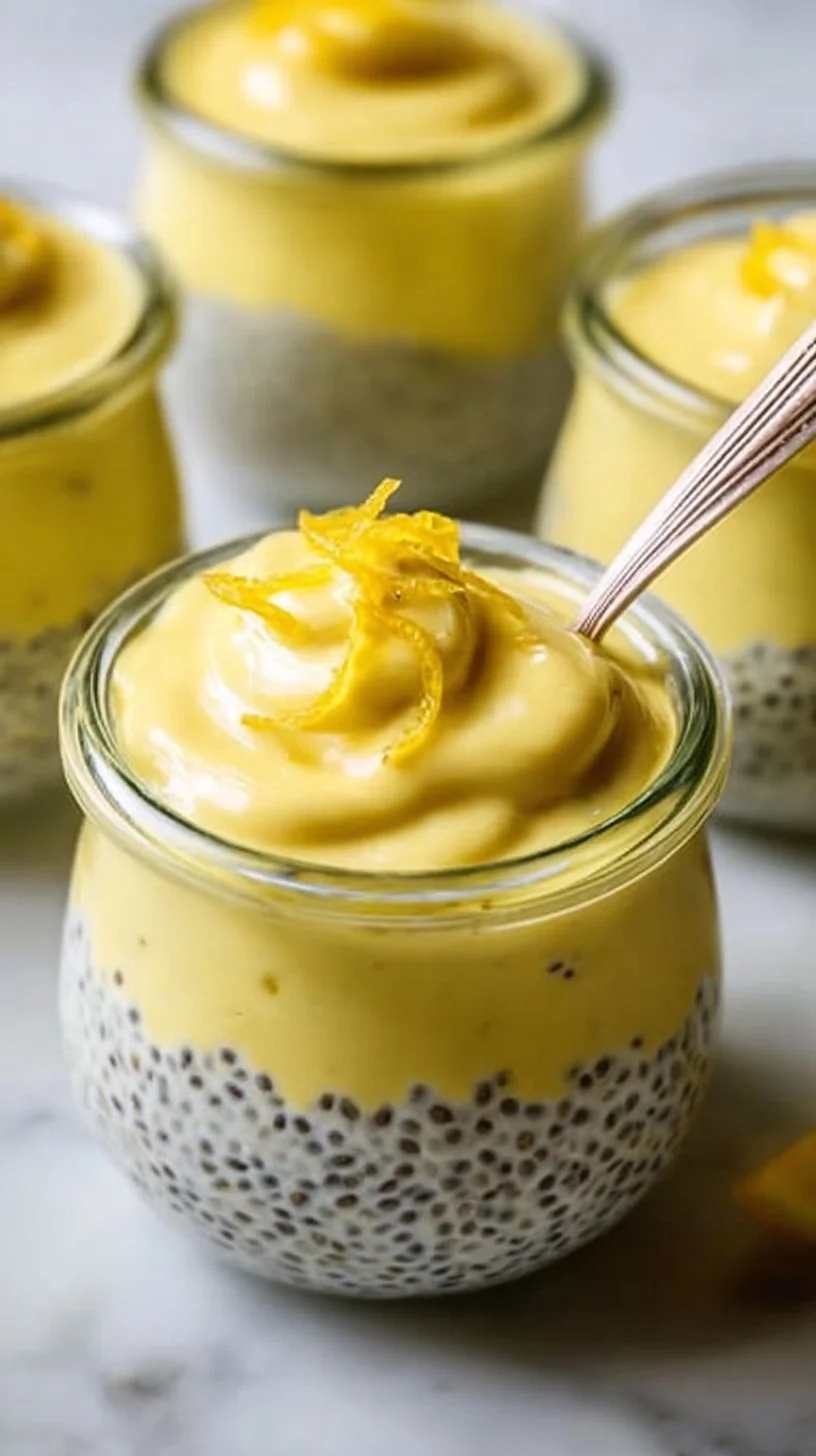
Lemon Chia Pudding is a concise composition of acid, fat, sweetener, and a structural hydrocolloid: chia seed. The finished dish relies on controlled hydration and flavor layering rather than heat or complex processes. Readily adaptable for mise en place and service, it rewards careful attention to ratios and timing. For reference on citrus integration in baked contexts, consider how lemon functions in other lemon-forward preparations such as the lemon-blueberry cake, where zest and acid play complementary structural and aromatic roles.
The culinary logic behind this dish
At its core the recipe exploits the gelling capacity of chia seeds, which form a mucilaginous network when hydrated. The seeds’ outer layer traps water and suspended particulates, creating a suspension that mimics custard-like viscosity without heat. Lemon contributes three essential elements: volatile aroma from zest, acidity from juice, and astringent brightness that sharpens perception of sweetness. Maple syrup supplies not only sweetness but a touch of viscosity and flavor compounds that round the lemon’s high notes. A pinch of salt is crucial — it amplifies aromatic compounds and balances the perceived acidity.
Understanding these interactions informs each step: hydration time governs gel strength and mouthfeel; whisking disrupts initial seed clumping to ensure an even gel; refrigeration temperature sets the final gel network and stabilizes aromatics. When planning service, think of this as a cold-set gel—temperature, timing, and agitation determine texture just as much as ingredient ratios. For palate pairing and contrast strategies, you can draw parallels to tangy lemon applications like those in dense bar desserts such as the lemon brownies (lemonies), where acid cuts through richness; here, acid cuts through the vegetal neutrality of the milk and highlights maple complexity.
How to make Lemon Chia Pudding
The method is intentionally simple; precision arrives from technique. Start by assembling measured ingredients and a whisk and select a non-reactive mixing bowl: glass, stainless steel, or high-density polypropylene. Combine ingredients at room temperature to optimize solubility of maple syrup and to avoid thermal shock that can alter seed hydration kinetics. Whisking initially distributes seeds and breaks up clumps; the brief five-minute rest that follows allows the seeds to begin swelling and stabilizes air introduced by whisking. A second whisk prevents the formation of dense aggregates and promotes an even gel matrix.
Covering and refrigerating is not passive storage: chilled temperature slows molecular motion and allows the hydrated seed gel to fully set, yielding a smoother, more cohesive texture. Two hours yields a perceptible thickening suitable for service; overnight develops the gel further and harmonizes flavors as volatile citrus aromatics equilibrate with the milk. When serving, maintain cold temperature to preserve mouthfeel and the integrity of the gel network.
Ingredients :
1/4 cup chia seeds, 1 cup almond milk (or any milk of choice), 2 tablespoons maple syrup (or honey), Zest of 1 lemon, Juice of 1 lemon, Pinch of salt
Directions :
- In a mixing bowl, combine chia seeds, almond milk, maple syrup, lemon zest, lemon juice, and a pinch of salt., 2. Whisk the mixture well to combine everything thoroughly., 3. Let it sit for about 5 minutes, then whisk again to prevent clumping., 4. Cover the bowl and refrigerate for at least 2 hours or overnight to allow the pudding to thicken., 5. Serve chilled, and enjoy as is or with your favorite toppings like fresh fruit or granola.
Ingredient analysis through a chef’s lens
Chia seeds (1/4 cup): The seed-to-liquid ratio is the primary determinant of final viscosity. At roughly 1:4 by volume here, expect a spoonable pudding that retains slight seed texture — not pureed-silk. The mucilage forms a semi-cohesive network; excessive seed concentration yields a gelatinous, almost paste-like result, while too little results in a loose suspension.
Almond milk (1 cup or any milk of choice): Milk selection changes fat content, mouth-coating, and flavor baseline. Almond milk is low in fat and provides a clean, slightly nutty backdrop that lets lemon and maple sing. If you substitute whole dairy milk or coconut milk, anticipate a richer mouthfeel and slightly suppressed acidity due to higher fat content buffering the lemon.
Maple syrup (2 tablespoons or honey): Choose a sweetener not merely for sweetness but for flavor synergy. Maple contributes caramelized, woody notes that contrast the citrus; honey will add floral top notes and a different viscosity. Both also affect freezing point and gel behavior slightly, but at two tablespoons their impact on structure is marginal compared with chia concentration.
Lemon zest and juice: Zest concentrates volatile oils — responsible for immediate aromatic impact — while juice provides acidity and brightness. Zest is oil-based and disperses better when scraped finely; use a microplane to create thin, aromatic shavings. Juice introduces water and acid which can slightly alter swelling dynamics of the seeds; thus the order and thorough mixing are important.
Pinch of salt: Small quantities of salt are catalytic, elevating other flavors and mitigating flatness. Salt enhances sweetness perception and stabilizes aromatic intensity, particularly important with a restrained ingredient list like this.
Kitchen workflow & technique breakdown
Efficient workflow reduces variability. Mise en place: measure chia into a small container, zest and juice the lemon, and have milk and syrup at hand. Use a whisk rather than a spoon—whisks introduce air and help separate seeds early in hydration. Whisking twice (immediately and after five minutes) is a targeted method to avoid agglomeration: the initial whisk ensures dispersion; the short rest allows partial swelling, and the second whisk breaks incipient clumps before they fully set.
Choose your container with service in mind. Individual jars are ideal for portion control and reduce post-chill agitation; a shallow, wider vessel will set faster but may require vigorous whisking before service to re-homogenize the top. Covering the bowl with plastic wrap or a tight lid limits absorption of ambient odors and prevents surface skinning from evaporation.
Timing is a variable you can control for textural outcomes: two hours yields a tender set; overnight produces a more consolidated gel. If preparing for service, plan for the longest reasonable chill time to ensure texture consistency across portions.
Texture control, heat management & timing
Temperature and timing govern texture more than heat in this cold-set preparation. Use milk at cool room temperature to maximize solute dissolution of maple while avoiding chilled milk that can slow hygroexpansion of the seeds. Conversely, very warm milk is unnecessary and will only dissipate volatile lemon oils.
Chia hydration follows a kinetic curve: initial absorption is rapid for the outer seed, then slows as the interior equilibrates. The double-whisk technique mitigates clumps by disrupting microenvironments of high seed concentration. If you find the texture too thick after refrigeration, thin it with a splash of milk and brief whisking; if too loose, allow additional refrigeration time — the gel continues to strengthen for several hours.
Acid and sugar ratios subtly affect gel behavior. Higher sugar concentrations can draw water away from the chia matrix slightly, reducing firmness; higher acid concentrations may enhance perception of texture by tightening mouthfeel. Maintain the recipe’s balance for predictable results.
Professional variations
Infusion: Steep lemon zest briefly in warmed milk (not boiling) to extract essential oils before cooling to room temperature and proceeding with the recipe for a refined citrus aroma. Strain the zest if you prefer a smoother visual.
Enrichment: For a silkier mouthfeel, replace 2–3 tablespoons of almond milk with full-fat yogurt or incorporate a tablespoon of neutral oil or cream at the mixing stage; emulsification will change the gel’s collapse point and yield a creamier finish.
Layering: Build a parfait by alternating bright lemon chia pudding with a denser element—compote, fruit curd, or roasted nut praline—to introduce temperature and texture contrast.
Sweetness modulation: Swap maple for honey for floral depth or use agave for a milder profile. Each substitute alters aromatic balance rather than structure markedly at the given ratio.
Spices: Introduce a tempered amount of vanilla bean or grated ginger to complement lemon without overpowering the clarity of the pudding.
Finishing touches & plating philosophy
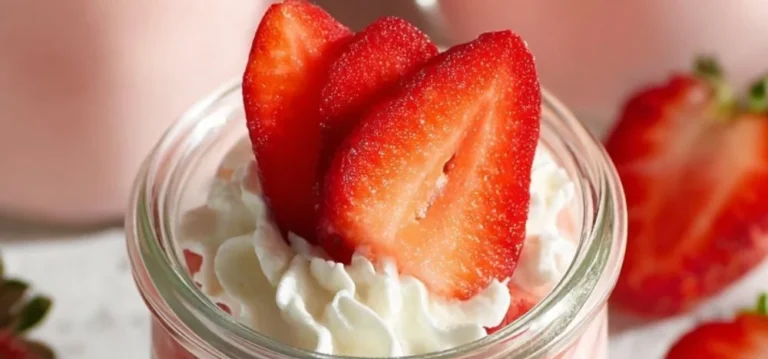
Plating is about contrast and restraint. Use small, shallow glassware to display the gel’s translucency and the suspended seeds. Garnishes should provide textural counterpoint: crisp granola, toasted walnut pieces, or citrus segments add bite. Micro-zest or a single candied lemon slice serves as a precise aromatic accent — too much zest at service can overwhelm the gel itself.
Temperature contrast enhances the perception of acidity; serve the pudding well chilled while pairing it with room-temperature toppings like baked shortbread for interplay. Spoon direction and portion size affect how the diner experiences texture: larger spoons present more gel per bite and emphasize mouth-coating; smaller spoons make the seed texture more apparent.
Maintaining quality after cooking
Storage is refrigeration only. Seal containers to prevent odor uptake and to stabilize surface moisture. The pudding keeps well for 3–4 days; beyond that, seeds can continue to absorb liquid, resulting in a denser texture and a drying sensation. If separation occurs (a light layer of thinner liquid at the top), brief whisking restores homogeneity.
Do not freeze unless you accept a textural change: freezing disrupts the gel network and, upon thawing, the chia may release liquid, producing a grainy texture. For transport, use rigid containers to avoid agitation that can break the gel structure and cause syneresis.
Questions from home cooks (chef answers)
Q: My chia pudding is grainy or has clumps — how can I fix it?
A: Start with the double-whisk technique. If clumps remain after refrigeration, whisk vigorously with an equal volume of milk to rehydrate clumped pockets and redistribute seeds. Alternatively, pulse-blend briefly for an ultra-smooth texture, though this changes the visual character.
Q: Can I reduce the lemon without changing balance?
A: You can reduce juice slightly, but compensate aromatic loss by increasing zest; the zest delivers volatile oils without significantly altering hydration.
Q: Is overnight necessary?
A: No, two hours is functional; overnight yields a more uniform gel and more integrated flavors. For consistent service across large batches, overnight is preferable.
Q: Can I prepare this for a buffet?
A: Yes. Portion into individual sealed jars and chill; hold at 36–39°F (2–4°C). Add crisp toppings at service to retain textural contrast.
Q: How to adjust if using richer milk?
A: Expect a rounder mouthfeel and slightly muted acidity. Reduce added sweetener by 10–20% if using full-fat dairy to avoid cloying balance.
Final chef notes
Precision in measuring and adherence to basic technique—double whisking, controlled refrigeration, and attention to the seed-to-liquid ratio—yield consistent results. Lemon Chia Pudding demonstrates that minimal ingredient lists require maximal control of physical processes to achieve professional texture and balanced flavor. Treat it as a composed, cold-set gel and manipulate temperature, agitation, and time deliberately to produce the intended outcome.
Conclusion
For additional recipe perspectives and to compare variations of lemon chia preparations, review a clear home-style version at Delish Knowledge’s Lemon Chia Pudding, examine a straightforward seeded-pudding approach at Jenn Eats Goood’s Lemon Chia Seed Pudding, and explore a citrus-vanilla composition at Whole Food Bellies’ Zesty Lemon and Vanilla Chia Pudding Cups for further technique ideas and serving suggestions.
Lemon Chia Pudding
Ingredients
Method
- In a mixing bowl, combine chia seeds, almond milk, maple syrup, lemon zest, lemon juice, and a pinch of salt.
- Whisk the mixture well to combine everything thoroughly.
- Let it sit for about 5 minutes, then whisk again to prevent clumping.
- Cover the bowl and refrigerate for at least 2 hours or overnight to allow the pudding to thicken.
- Serve chilled, and enjoy as is or with your favorite toppings like fresh fruit or granola.