3-Ingredient Cottage Cheese Chocolate Fudge
Introduction
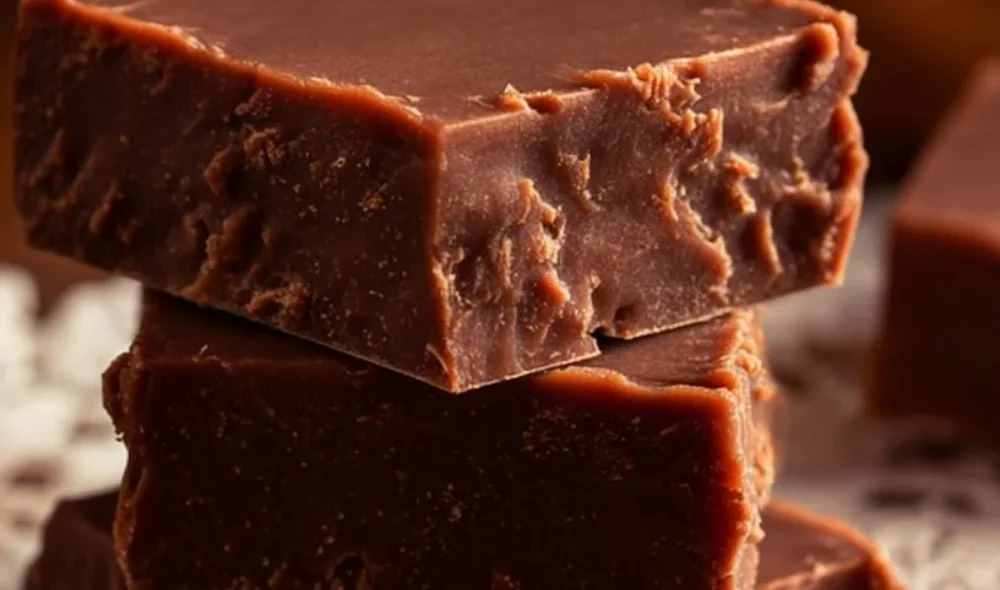
This recipe, 3-Ingredient Cottage Cheese Chocolate Fudge, is an exercise in functional confection: a compact formulation that achieves fudge-like density and chocolate intensity using only three components and a mechanical emulsification step. As a chef, I regard such preparations as studies in ingredient role compression—every element must deliver multiple functions simultaneously: flavor, fat, structure, or mouthfeel. The technique is deliberately minimal, relying on high-shear blending to convert disparate textures into a coherent, sliceable mass. The finished product reads as a chilled, ganache-like square rather than a traditional, cooked fudge, and the method demands attention to texture development, temperature control, and finishing so the piece presents cleanly and performs on the palate with balanced sweetness, cocoa bitterness, and a resilient, creamy bite.
The culinary logic behind this dish
At its core, this recipe leverages the interplay of dairy emulsions and tempered chocolate solids to create a stable, sliceable matrix without heat or additional stabilizers. Cottage cheese brings water, milk proteins (casein), and emulsified milk fat in a dispersed curd form. Dark chocolate chips provide cocoa butter, cocoa solids, and sugar—elements that supply structure, chocolate intensity, and fat to bind the water-laden dairy. Cocoa powder intensifies chocolate flavor and adjusts the balance of dry solids to moisture, contributing to viscosity and color depth.
The culinary logic is efficient: emulsify the aqueous cottage cheese into the fat-rich phase of melted chocolate chips by mechanical shear. Mechanical shear in a blender or food processor produces frictional heat that softens and partially melts chocolate chips; simultaneously, it reduces the particle size of the curds and disperses proteins into the fat phase. This creates a homogeneous emulsion that sets into a firm yet tender mass when chilled because the cocoa butter solidifies and the dispersed proteins and cocoa solids restrict free water movement. Understanding these contributions explains why the recipe works without cooking: the physical states of the components and the action of the blender do the thermal and structural work.
How to make 3-Ingredient Cottage Cheese Chocolate Fudge
This is a cold-set preparation; the blender/processor is the cooking vessel insofar as it provides sufficient shear and transient heat to integrate components. The method emphasizes controlled blending, clean transfer into a lined pan, and precise chilling to allow cocoa butter recrystallization and matrix stabilization. Follow the directions exactly to preserve the proportions and mechanism that produce optimal texture.
Ingredients :
1 cup cottage cheese, 1 cup dark chocolate chips, 1/4 cup cocoa powder
Directions :
- In a blender or food processor, combine the cottage cheese, dark chocolate chips, and cocoa powder until smooth., 2. Pour the mixture into a lined square pan., 3. Refrigerate for at least 2 hours until set., 4. Cut into squares and enjoy your healthy fudge!
Ingredient analysis through a chef’s lens
- Cottage cheese: Structurally, cottage cheese introduces bound and free water and distinct curd particles. Its proteins (chiefly casein) have surface activity, helping to stabilize emulsions when dispersed into fats. The curd texture contributes body; the milk fat content (variable by cottage cheese type) will influence mouth-coating and firmness. Choose a consistency you prefer, but expect drier curds to yield a denser finish.
- Dark chocolate chips: These are a source of cocoa butter and cocoa solids. In the blender, chips undergo phase change via friction—softening and melting sufficiently to coat dispersed dairy proteins and entrain moisture. The percentage of cocoa solids and sugar content will change perceived sweetness and bitterness; higher cacao provides more structure via cocoa butter.
- Cocoa powder: Cocoa powder intensifies chocolate aroma, contributes dry solids that absorb some free water, and sharpens color. It acts as a binder at this scale, increasing viscosity during blending and helping the set-up by reducing free water mobility, therefore improving sliceability.
Kitchen workflow & technique breakdown
Mise en place must be precise: measure the cottage cheese by level cup, weigh or level the chocolate chips, and spoon the cocoa powder. Line a square pan with parchment so you have overhang for clean removal. Choose the right machine: a high-speed blender is efficient for creating a smooth emulsion; a food processor works but may require scraping and more time. Use a tamper if available to keep ingredients moving toward the blades.
Start by adding cottage cheese to the blending vessel, then sprinkle cocoa powder to reduce initial clumping, and finally add chocolate chips. This order reduces the risk of dry powder sticking to the container walls and allows the chips to receive maximum contact with the dispersing dairy. Pulse briefly at first to break up curds, then process continuously until the chocolate softens and the mixture becomes glossy. Monitor temperature by touch—if the blender housing is warm, the chocolate has softened adequately. Transfer the mix into the prepared pan using a spatula, smoothing the surface to eliminate air pockets and to ensure uniform thickness for predictable set time.
Texture control, heat management & timing
Texture is the principal concern. Over-blending can generate too much heat, thinning the mixture and causing a soft set that loses shape in the refrigerator. Under-blending leaves curd fragments and unmelted chips, producing a grainy or uneven texture. Aim for a glossy, satin emulsion—the point at which the mixture holds together and pours slowly but not like a runny ganache.
Frictional heat is your ally but must be managed. Short bursts with brief pauses let the blades melt chips without overheating proteins, which can denature and change water-holding capacity. If the mixture becomes overly fluid, immediate refrigeration will re-solidify cocoa butter but may trap excess moisture in pockets, creating small fractures on cutting. Refrigerate in a shallow, uniform layer to ensure consistent cooling; the stated minimum of 2 hours is a baseline—thicker masses require longer. Check firmness by pressing lightly; a clean indentation that springs back slightly indicates a good set.
Timing also governs flavor perception. Chilling not only sets texture but quiets initial sharpness from cocoa powder and allows flavor components to meld. Allow the fudge to equilibrate slightly toward room temperature (5–10 minutes) before serving so cocoa butter softens slightly and aromatics bloom.
Professional variations
Maintaining the ingredient list and directions intact, there are professional considerations for yield and presentation without altering measurements. Use a square pan size that yields uniform thickness—0.5 to 1 inch produces a classic bite. For smoother surface finish, press a sheet of plastic wrap directly onto the surface while still warm from blending to prevent condensation marks during refrigeration; remove and re-smooth edges before cutting.
If the blending vessel does not fully fluidize chocolate chips, consider pre-crunching chips inside the bag and then proceeding; this is a preparatory action, not a change in ingredients. Also, using a chilled pan accelerates initial cooling and can produce a denser mouthfeel. Each of these choices adjusts mouthfeel and appearance without changing the recipe itself.
Finishing touches & plating philosophy
A clean presentation underscores technique. Use a sharp chef’s knife warmed under hot water and dried between cuts to achieve razor-sharp edges—this minimizes tearing and smearing. For plating, present squares on a cool plate to prevent premature softening. A restrained finishing accent—microplane zest of orange or a single grained salt flake—will complement the chocolate but is outside the base recipe and therefore should be applied sparingly if used.
When arranging multiple squares, stagger them to create visual depth; allow space so the palate can appreciate each piece’s weight and density. Lighting and temperature matter: slightly warmer ambient temperature will open aromas, but avoid serving in conditions where cocoa butter begins to bloom or soften excessively.
Maintaining quality after cooking
Because this is a chilled, dairy-forward confection, storage is critical. Keep refrigerated in an airtight container: exposure to air leads to surface dehydration and textural hardening, while fluctuations in temperature encourage fat bloom on the chocolate phase. Layer squares between parchment to prevent sticking and moisture migration. For longer storage, freeze on a tray until solid, then transfer to an airtight container; thaw in the refrigerator to avoid condensation. Note that freezing and thawing can slightly alter texture—expect a minor graininess compared with fresh.
Avoid leaving the fudge at room temperature for extended periods, especially in warm environments; as cocoa butter softens, the structure loses integrity. Consume within 4–7 days refrigerated for best flavor and texture.
Questions from home cooks (chef answers)
Q: The mixture separated or became watery after blending—what happened?
A: Separation indicates excess free water that has not been adequately emulsified into the fat phase. This can occur if the blender lacks power or if blending was insufficient to melt chips and envelop dairy particles. Remedy by continuing to process briefly to encourage chocolate softening, or transfer to a higher-speed blender. Do not add stabilizers; rather, ensure thorough emulsification and follow the chilling step to allow cocoa butter to re-solidify and bind the matrix.
Q: My finished pieces are crumbly rather than smooth—why?
A: Crumbliness often arises from under-blending or from using a low-fat cottage cheese with minimal emulsifying lipids. Casein networks can create a drier, crumbly texture when not sufficiently enveloped by chocolate fat. Next time, blend longer to achieve a homogeneous emulsion; alternatively, ensure the chocolate chips are of good quality with sufficient cocoa butter content.
Q: There are small air pockets—how do I avoid them?
A: Air entrapment happens during vigorous blending or improper transfer to the pan. After pouring, tap the pan gently on the counter to coax air bubbles to the surface, and smooth with a spatula to eliminate remaining pockets. If bubbles are visible on the surface, a brief pass with gentle pressure on a spatula will collapse them before chilling.
Q: Can I use a different kind of cheese?
A: The recipe is formulated specifically for cottage cheese because of its curd structure and moisture profile. Substituting other cheeses will alter emulsification dynamics and water content; any such change is experimental and may require different handling.
Final chef notes
Precision in measurement and in the application of mechanical energy are the determinants of success for this preparation. The recipe demonstrates how textural and flavor goals can be achieved with a minimal ingredient set by exploiting the physical properties of those ingredients. Respect the balance between shear and temperature: enough to melt and emulsify, not so much as to overheat proteins or cause a loose set. When executed with attention to technique and timing, the result is an efficient, satisfying confection that reads as deceptively simple yet technically refined.
Conclusion
For additional perspective on cottage cheese fudge preparations and to compare techniques and ingredient ratios, consult this practical two-ingredient variation for method insight: Cottage Cheese Fudge (2-Ingredient) – The Cooking Foodie. For ideas focused on higher protein profiles and dietary adjustments that preserve texture while altering nutritional targets, review this professional resource: High Protein Cottage Cheese Fudge (Gluten Free, Low Sugar).
3-Ingredient Cottage Cheese Chocolate Fudge
Ingredients
Method
- In a blender or food processor, combine the cottage cheese, dark chocolate chips, and cocoa powder until smooth.
- Pour the mixture into a lined square pan.
- Refrigerate for at least 2 hours until set.
- Cut into squares and enjoy your healthy fudge!