Cheesecake Bites
Introduction
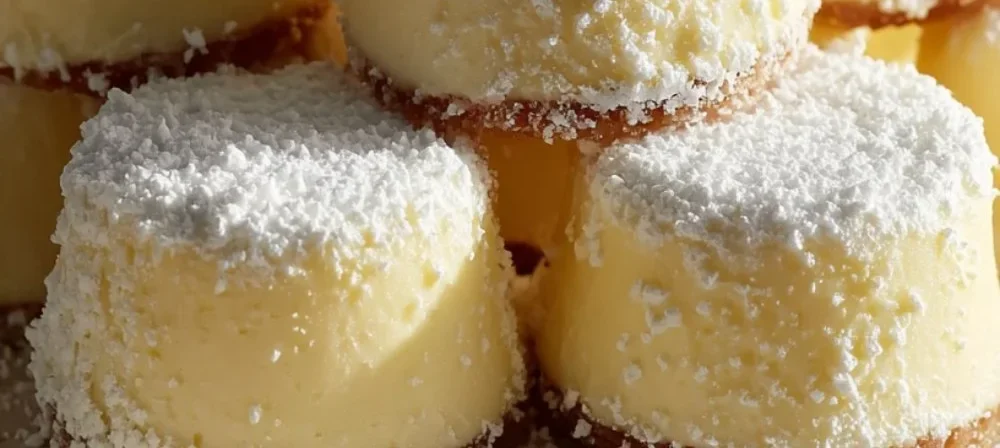
There is a small, quiet pleasure in carrying a bite-sized thing across continents. In my suitcase of memories, Cheesecake Bites live among the bright paper lanterns of a night market in Taipei, the muffled laughter in a Brooklyn apartment, and the sun-warmed terraces of an Italian agriturismo where strangers swapped recipes over late coffee. These tiny, lacquered nods to dessert contain an improbable intimacy: cream cheese folded with powdered sugar, a whisper of vanilla, encased by the dry, comforting grit of graham crumbs, and finally sealed in a coat of chocolate. They are small, but they hold the weight of cultures that coaxed their elements into being — from the ancient shores of islands where cheesecake first met bread, to the gritty innovations of American dairy and the rapid-fire sharing of recipes on kitchen counters around the world.
Cheesecake Bites ask you to remember how memory tastes: at once dense and ethereal, with textures that speak to place — the sandy, biscuit-like graham, the cold, yielding center, the thin, snap of chocolate. They are a modern snack with old echoes, a shorthand for hospitality that travels well. As a traveler, I find that these little spheres are often the dessert people hand you when they want to say: stay, sit, taste my childhood.
The origin story & regional influence behind this dish
Cheesecake itself is a storybook that begins in ancient Greece, where a simple cake of cheese and honey sustained athletes during the first Olympic games. That concept migrated along the Roman roads, adapting in village kitchens wherever sheep and goats were milked. With each move, local textures and tastes rewrote the recipe: ricotta in Italy, quark in Germany, and cottage cheeses across Eastern Europe. The modern cream-cheese-based cheesecake — and by extension the Cheesecake Bite — is a child of 19th- and 20th-century dairy innovations in North America, where refrigeration and industrial dairy made cream cheese a common pantry item.
Graham crackers anchor this version squarely in American culinary geography. Invented in the 19th century as a wholesome cracker, graham’s grainy sweetness became the natural counterpart to smooth, tangy cheese. Coating these bite-sized spheres in chocolate is a nod to later, global confectionery trends — the universal impulse to dress dessert in a shine of sweetness. Thus Cheesecake Bites are an accretion: an ancient idea, American structure, and a cosmopolitan finishing touch. Each element sings of a different place and era, which is why they feel so familiar and yet slightly exotic wherever you find them.
How to make Cheesecake Bites
The act of making Cheesecake Bites is almost ritualistic in its simplicity — a handful of ingredients, a short silence as the mixture rests in cold, and the decisive dunk into warm, melted chocolate. The steps are few, and that is part of their charm: these are not the laborious, oven-sweated tributes that demand flour-dusted forearms. They are the kind of confection you can prepare before guests arrive, or on a rainy afternoon when you want a tiny celebration. Below, in its exactness, is how this version is assembled.
Ingredients :
1 cup cream cheese, softened, 1/2 cup powdered sugar, 1 teaspoon vanilla extract, 1 cup graham cracker crumbs, 1/2 cup semi-sweet chocolate chips, melted, 1/4 cup mini chocolate chips (for topping)
Directions :
Prepare the crust by crushing graham crackers into fine crumbs., Make the cheesecake filling by mixing cream cheese, powdered sugar, and vanilla until smooth, then add graham cracker crumbs., Roll the cheesecake mixture into 1-inch balls and place them on a parchment-lined baking sheet., Chill the cheesecake bites in the freezer for 30 minutes until firm., Dip the chilled bites in melted chocolate and sprinkle with mini chocolate chips., Refrigerate for 15 minutes to let the chocolate set.
Ingredients through a cultural & historical lens
Look at those ingredients as artifacts. Cream cheese, that silky American staple, is an emblem of modern dairying and the industrial supply chains that made a once-rare thing common. Powdered sugar is the confectioner’s shorthand for sweetness, whitening pastries across continents. Vanilla extract, though used sparingly, carries colonial histories — the orchid that traveled from Mexico through tropical farms, becoming a fragrant passport stamp in cuisines from Madagascar to Tahiti.
Graham cracker crumbs are the local anchor; they speak of a particular American palate that prized whole-grain narration and home-baked comfort. Chocolate chips, melted and scattered, are a global testimony: cacao moved from Mesoamerican ceremony to European courts, and now to mass-produced chips that melt in your palm. Together, these elements tell a tale of trade winds, migration, and industrial change. To eat a Cheesecake Bite is, unexpectedly, to nibble on centuries of exchange.
Cooking the dish: sensory notes & traditional techniques
Making these bites requires more feeling than technique. The first motion — beating cream cheese and powdered sugar until they become a whisper-soft paste — feels like coaxing clouds into form. Vanilla brings a hospitable warmth, a memory of kitchens where a single pod could scent an entire afternoon. Folding in graham crumbs changes the air: what was smooth becomes textured, a contrast between velvet and sand.
Chilling is essential, not because the recipe is onerous but because time is a seasoning often forgotten. The chill sharpens flavors and gives the interior that yielding firmness you seek. When you dip a bite into melted chocolate, pay attention to the immediate temperature exchange: the heat of the chocolate briefly softens the frozen center, then the chocolate snaps as it sets. The sound — a modest, satisfying click — is the same sound I have heard in cafes from Lisbon to Seoul. In many small-town traditions, these sensory signatures — the smell of vanilla, the snap of chocolate, the cool give of creamy filling — are the markers of a dessert’s sincerity.
How different regions prepare their version
Travel a little, and you’ll find variations that are instructive. In the northeastern United States, Cheesecake Bites often lean into tang: a touch of lemon zest or a more generous graham crust evokes the New York tendency toward citrus balance. In Southern kitchens, you might find versions that sit alongside sweet tea — they are blunter, richer, often rolled in chopped pecans or dipped in caramel. In parts of Europe, the idea translates to ricotta balls, rolled in cookie crumbs and dusted with icing sugar rather than dunked in chocolate. In East Asia, where bite-sized sweets are beloved, you might encounter versions with matcha folded into the cheese for a green, vegetal counterpoint, or a sesame-studded crust for toasty depth.
Each adaptation says something about local palates and resources: citrus where lemons flourish, nuts where orchards are common, tea influences where umami and tannins are cultural mainstays. Yet the core remains constant: a creamy center, a textural base, and the impulse to make sweetness handheld.
Traditional ways this dish is shared or served
Cheesecake Bites often arrive at family gatherings as a gesture of convivial efficiency. In a culture that prizes abundant platters and passing plates, they function like edible small talk: easy to eat, easy to offer, and thus a perfect medium for hospitality. In some households I’ve visited in the American Midwest, they appear on holiday trays beside fudge and spiced cookies; in urban apartments, they are what a neighbor brings to a potluck to speak the language of craft and care.
They are also given as tokens: wrapped in a little parchment, they traverse the geography of friendships. In markets and cafés, bite-sized versions are sold in fluted paper cups, an invitation to taste without commitment. Traditional ceremonies may not prescribe Cheesecake Bites, but modern rituals — office parties, school fairs, warmth-exchanging coffee visits — have adopted them with enthusiasm, turning an American convenience into a new kind of ritual morsel.
Storing the dish without losing its cultural essence
Preservation here is about preserving meaning. These bites keep best cold, but they also keep best when shared quickly. Store them in a single layer in an airtight container, with parchment between layers, and refrigerate; they will hold their texture and the interplay between crumb and cream. If you must freeze, keep an eye on time: too long, and the cream cheese loses its silky mouthfeel and becomes distant, like a memory that’s been played back too often.
But beyond the practical, there is an etiquette to storing. In many homes I’ve frequented, leftovers are not stowed away without thought; they are portioned into small boxes for neighbors and friends, a social recycling that preserves the act of giving. The cultural essence of Cheesecake Bites is not just their flavor, it is the impulse to share.
Cultural questions people often ask
People who encounter Cheesecake Bites for the first time ask, sensibly: are they truly cheesecake? The answer is both simple and expansive: they are a distillation. They concentrate the idea of cheesecake into a handheld celebration. Another frequent question is whether they are fussy. They are not; their charm lies in accessibility. People also wonder whether such a modern-looking confection can carry tradition. I always smile — because every recipe, no matter how recent, is woven from older threads. The questions themselves reveal curiosity about authenticity, portability, and the meaning of small pleasures.
Travelers often ask where they might taste the “best” version. The right answer depends entirely on the story you want: a dense, tangy bite for someone who loves classical New York richness; a nut-crusted, warm-sprinkled morsel for those who want terroir; or a chocolate-dipped, Instagram-ready sphere for the city-dweller who eats with their eyes first. There is no supreme version; there is only the one that accompanies the memory you are trying to make.
A closing note on food, memory & travel
Food is a map and a handful of Cheesecake Bites is a small atlas. They condense travel into texture: the graham crumb’s dryness tells of plains where wheat is ground, the cream cheese’s richness hints at dairies and cool cellars, and the chocolate’s gloss reminds of faraway farms and industrial factories that have made moments of sweetness universally accessible. When I carry them across borders — slipping a tiny box into my bag as a treat for a late-night ferry, or placing them on a café table for friends — they function as a language of welcome.
These bites also ask us to notice how recipes evolve. They gather ingredients that survived historical journeys and reframe them for modern life. Eating one is not merely a gustatory delight; it is a quiet conversation with time. So the next time you taste a Cheesecake Bite, close your eyes for a beat. Let the vanilla pull you back to a childhood kitchen, let the snap of chocolate return you to a city street where you first learned to love small things, and let the creamy center remind you that sometimes, the most portable memories are the ones you can pop into your mouth.
Conclusion
If you want a practical guide or alternative methods while keeping this version as your compass, there are a few places online that offer thoughtful variations and step-by-step photographs that can help visualize the process. For a simple take with clear instructions, see this Easy Mini Cheesecake Bites guide. If you prefer the method of baking in mini tins, Dana’s Table offers a helpful walkthrough in Cheesecake Bites (in mini muffin tins). For a ready-made, store-bought option that captures a similar spirit, you might look at Belmont Mini Cheesecake Bites, 24 count. And if you’re curious about a no-bake approach that still celebrates the same textures, CenterCutCook’s No-Bake Cheesecake Bites is a useful reference.
Cheesecake Bites
Ingredients
Method
- Prepare the crust by crushing graham crackers into fine crumbs.
- Make the cheesecake filling by mixing cream cheese, powdered sugar, and vanilla until smooth, then add graham cracker crumbs.
- Roll the cheesecake mixture into 1-inch balls and place them on a parchment-lined baking sheet.
- Chill the cheesecake bites in the freezer for 30 minutes until firm.
- Dip the chilled bites in melted chocolate and sprinkle with mini chocolate chips.
- Refrigerate for 15 minutes to let the chocolate set.