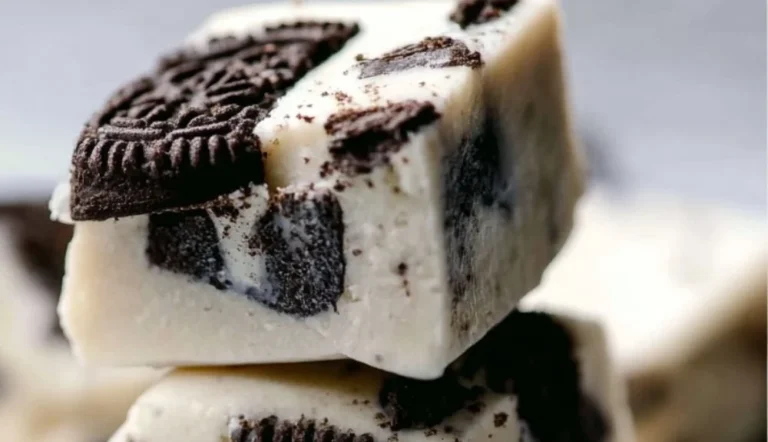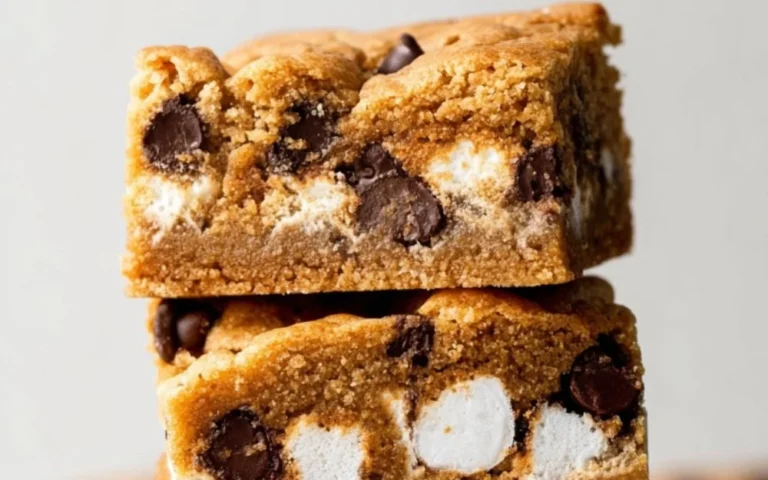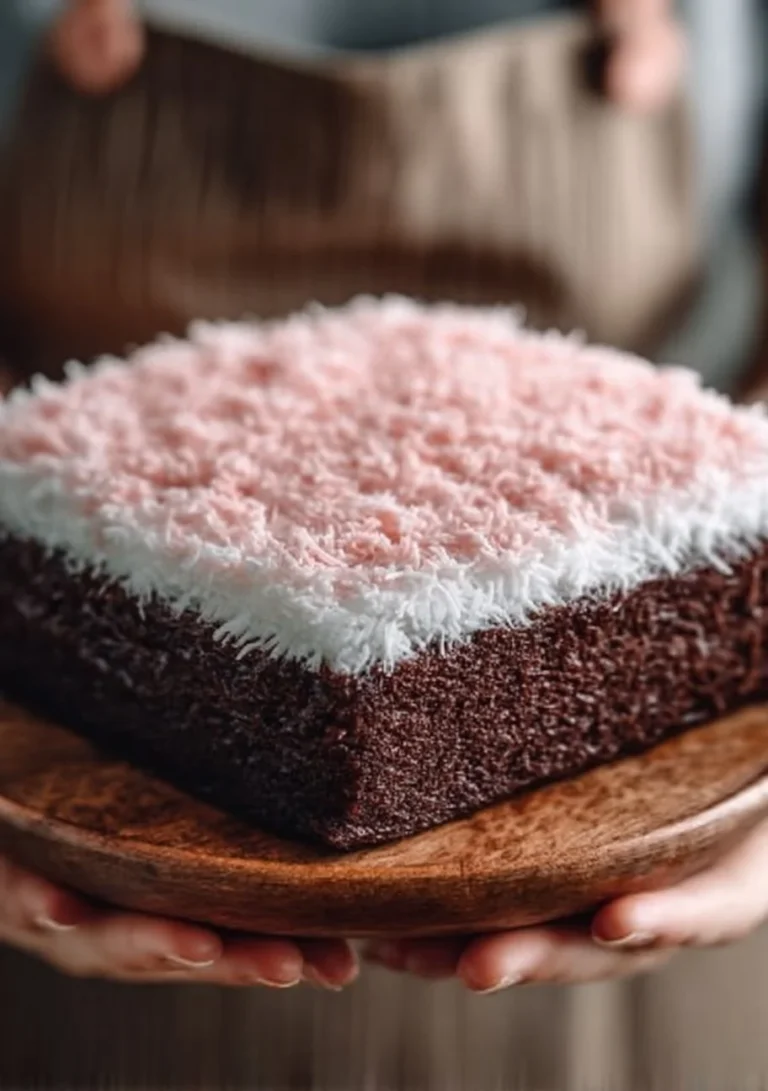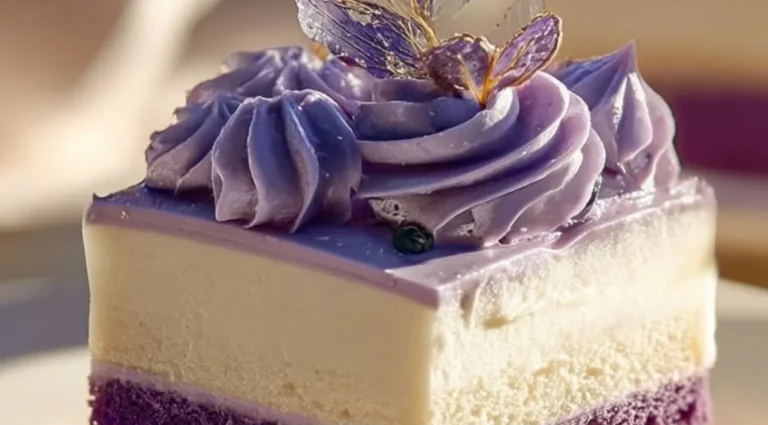
Christmas Cookie Lasagna
Introduction
There are recipes that arrive like postcards from other lives — crisp edges of memory that unfold when you least expect them. Christmas Cookie Lasagna is one of those layered postcards: a no-fuss, celebratory dessert that tastes like a living room full of laughter, a kitchen hung with lights, and a neighbor’s front door always open. I first encountered it at a winter potluck in a small Midwestern town where the windows fogged with steam and conversations braided family lore with present-day joy. The dish was unassuming on the buffet table, yet with each bite the room widened — cinnamon and vanilla, a cool pillow of whipped topping giving way to sweet, crumbly cookie layers. It reminded me of travel: comfort stitched through with novelty, an edible map that leads back to home and forward to new gatherings.
As a traveler and storyteller, I look for the threads food leaves behind in a place. This lasagna is not Italian in the classical sense; it borrows the word as a nod to structure — thin layers, each with a role, coming together into a whole. Behind its simplicity are decades of immigrant kitchens, communal holiday traditions, and the American penchant for joyful reinvention. If you click through my note about cozy spices in a different cookie I love, you’ll see how regional tastes adapt the familiar into something distinct: a little like that beloved chewy maple-cinnamon cookie I once tucked into the corner of a winter picnic chewy maple cinnamon cookies recipe.
The origin story & regional influence behind this dish
The story of Christmas Cookie Lasagna is, in many ways, the story of American holidays. Layered desserts have traveled across oceans — trifle from England, tiramisù from Italy, and rice pudding from many ports — each culture layering ingredients as though folding stories into cake. In the United States, the post-war era introduced a boom of convenience foods and boxed ingredients that gave home cooks a way to celebrate with less preparation time. Suddenly, desserts that once required hours could be assembled quickly, with modern staples like whipped topping and cream cheese becoming symbols of holiday ingenuity.
The “lasagna” moniker likely emerged in the 1980s and 1990s, when naming whimsical layered sweets after savory dishes became fashionable. The cookie base reflects another thread: the American tradition of holiday cookies — ginger snaps, shortbread, sugar cookies — baked in abundance, crushed into crumbs, and repurposed. In both the Midwest and the suburbs stretching across the country, this dish became a holiday mainstay at potlucks, office parties, and church socials. It sings of a regional preference for desserts that serve crowds, travel well in a cooler, and evoke collective memory more than culinary heroics.
How to make Christmas Cookie Lasagna
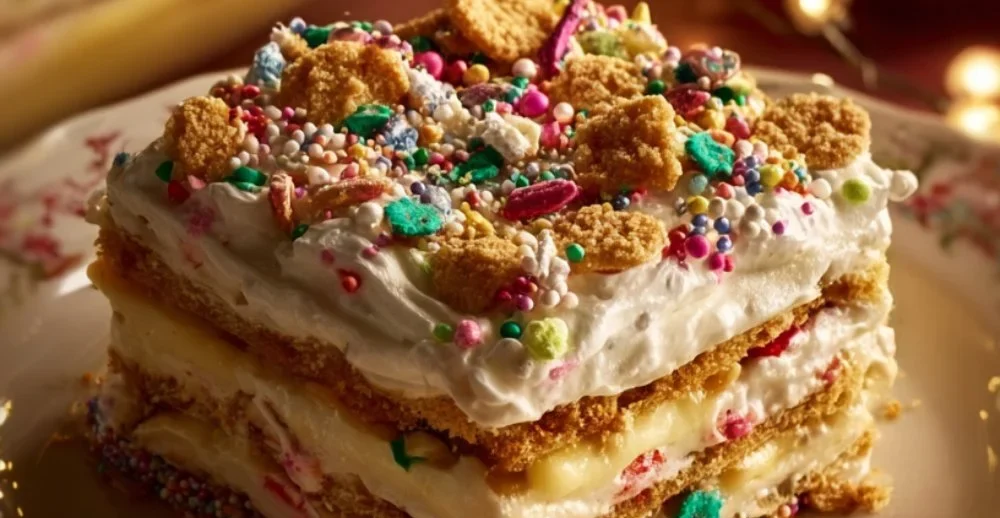
Making this dessert feels less like cooking and more like composing a small symphony. It asks only for gentle hands and a generous spirit: to break cookies as one would break up the week’s worries and to fold sweetness and cream into something meant to be shared. The layering is tactile; the cookies give a modest, textured base, the cream cheese mixture is dense but yielding, and the whipped topping offers a pillowy finish. There is a ritual to repeating the layers — it reassures: we will rebuild warmth and sweetness here.
In many households I’ve visited, the recipe is taught by example rather than by strict measurement. A grandmother shows a granddaughter how to press the crumb layer so it holds, how to smooth the cream cheese like smoothing a child’s blanket. It’s less about degrees of temperature and more about the intention: to create a dessert that can be parked in a refrigerator overnight and emerge the next day with the flavors settled, each layer conversing with the others.
Ingredients :
24 crushed holiday cookies, 8 oz cream cheese, softened, 1/2 cup powdered sugar, 1 tsp vanilla extract, 2 cups whipped topping, 1/2 cup chocolate or butterscotch chips (optional), Sprinkles for topping (optional)
Directions :
- In a bowl, mix the softened cream cheese, powdered sugar, and vanilla extract until smooth.
- In a 9×13 inch dish, layer half of the crushed holiday cookies on the bottom.
- Spread half of the cheesecake mixture over the cookies.
- Top with half of the whipped topping.
- Repeat the layers with the remaining cookies, cheesecake mixture, and whipped topping.
- Optional: Sprinkle chocolate or butterscotch chips and festive sprinkles on top.
- Refrigerate for at least 4 hours or overnight before serving. Enjoy your festive treat!
Ingredients through a cultural & historical lens
Read as a list, these ingredients are like a small catalogue of migration and modern life. Cookies, often flavored with molasses, cinnamon, or citrus, stem from European baking traditions brought by immigrants who reinterpreted recipes with local ingredients. Cream cheese, an American kitchen staple with origins in 19th-century dairies, represents industrial dairy culture and its role in shaping mid-century holiday foodways. Powdered sugar and vanilla nod to the sugar and spice trade networks that have long flavored our desserts, while whipped topping signals a cultural moment when convenience and accessibility shifted how families made celebratory foods.
Optional chips and sprinkles are cultural flourishes — a sprinkle is a confetti of joy, the chocolate or butterscotch chips a wink to indulgence. When I think about the list, I see neighborhood food pantries and church kitchens where these items were pooled for holiday trays; I imagine soldiers returning from deployment and finding solace in a simple slice made by someone who remembered their favorite cookie. On a traveler’s palate, these ingredients tell a tale of adaptation: how households take what’s available and fold it into seasonal rituals, creating a dessert that is at once economical and exuberant.
(Internal reference: for those who love cookie narratives as much as I do, there’s a charming recipe for chewy maple-cinnamon cookies that pairs beautifully with layered desserts like this one chewy maple cinnamon cookies recipe.)
Cooking the dish: sensory notes & traditional techniques
There are no flames to watch here, only the cool, patient alchemy of time in a refrigerator. The sensory experience begins as soon as you crush the cookies: a faint storm of spice and butter, a sound like small, celebratory thunder. As you mix the cream cheese with powdered sugar and vanilla, the aroma lifts — warm, slightly floral vanilla weaving into the brighter notes of the cookies. The first layer is tactile: crumbs sink a little under your fingertips, eager to be pressed into a cozy bed. The cheesecake mixture is creamy and slightly dense, anchoring the dessert with a familiar tang that speaks of celebratory cheesecakes but in a simpler voice.
Traditional technique here is less about precision and more about rhythm. Many cooks I’ve met insist on softening the cream cheese until it yields to the spoon easily; others tap the dish gently on the counter after layering to coax out air pockets, like smoothing the surface of a quilt. The final act — spreading whipped topping — should be done as you would lay a cloud: gentle, even, forgiving. Then the most important technique of all: patience. Refrigeration allows the cookies to soften, flavors marry, textures settle. Overnight is a kind of pilgrimage for this dessert; it travels inward, shedding its separate parts to become an integrated memory.
(Internal link woven naturally for readers interested in cookie companions: explore an evocative cookie recipe that complements this lasagna beautifully chewy maple cinnamon cookies recipe.)
How different regions prepare their version
In the American South, you might encounter a version where crushed pecan sandies or buttery shortbread replace the cookie base, imparting a warm, nutty undertone. In parts of the Midwest, ginger snaps or gingersnap-based crusts are common, lending a wintery spice that nods to Scandinavian and German immigrant traditions. Coastal regions with stronger ties to artisanal chocolate might scatter dark chocolate shavings across the top, while communities with robust Latin American influences might favor cookie varieties with cinnamon and anise, or add dulce de leche drizzles for a richer mouthfeel.
Across Europe and Australia, similar layered desserts exist but often adhere more strictly to local baking norms — creamier custards, sponge cakes, or mascarpone taking the place of cream cheese mixes. The central idea remains: layering familiar local sweets into a communal dish. Each region’s variations are less a divergence and more an intimate conversation between the lai of local pantry staples and celebratory practice.
Traditional ways this dish is shared or served
This dessert thrives on communal contexts. It belongs on long tables at church potlucks where each dish is a story; at office holiday parties where colleagues exchange small talk and dessert recipes; at family gatherings where plates are passed and memories are retold. It travels well to cookie exchanges — bring it chilled, slice it at the last moment, and watch strangers become friends over a silver fork.
In some households, Christmas Cookie Lasagna has a ceremonial role: the youngest child is allowed to place the sprinkles; an elder is given the honor of cutting the first slice. In many small towns, it’s a staple of school bake sales and community fundraisers, sold by the square in disposable foil pans, accompanied by a handwritten label and a note of goodwill. These communal practices are the dish’s richest seasoning — the human stories of sharing, of recipes transmitted hand to hand, elevate it from a simple layered dessert to a social artifact.
Storing the dish without losing its cultural essence
Storage is simple yet symbolic. Refrigeration for at least four hours — preferably overnight — is essential for texture and flavor. When I travel, I’ve learned to pack it as one would pack a fragile souvenir: coolers for short journeys, careful tucking into the coldest part of the fridge for longer waits. Cover it with a lid or cling film, and label with a handwritten note if gifting — a name, a brief greeting, perhaps the date. The label is part of the story, a small gesture that carries intent.
Avoid freezing if you wish to preserve the whipped topping’s delicate airiness; freezing often alters texture. Instead, make it a few days ahead but not weeks: freshness matters to the dessert’s personality. In community settings, the way it’s stored — on a decorated table, beneath fairy lights, or atop a wooden crate — helps maintain its role as a centerpiece of hospitality.
Cultural questions people often ask
Why a “lasagna” for a dessert? It is a playful borrowing of form — the layered approach echoes savory lasagna, but the spirit is entirely celebratory and sweet. Is it really a holiday dish? In many American households, yes; the cookies used are often made for the season and the dessert’s visual festivity fits winter gatherings. Can you vary the cookies? Absolutely, and regional tastes guide those variations — from ginger snaps to sugar cookies to shortbreads.
People also wonder about substitutions for dietary needs. While purists might balk at altering tradition, communities have adapted: dairy-free whipped toppings, gluten-free cookies, or lighter sweeteners find their way into holiday tables, reflecting an inclusive evolution of ritual. The heart of the tradition is not the exact ingredient list but the act of sharing and the memory each bite evokes.
A closing note on food, memory & travel
Every dish carries a map of where it has been and who has loved it. Christmas Cookie Lasagna is a small atlas of cultural memory — each layer a waypoint where family histories meet regional influences, where convenience and creativity hold hands. As travelers, we collect these recipes the way we collect small stones from different shores: they are tokens of hospitality, windows into how people shape meaning around food.
I carry in my memory the warmth of one particular kitchen: a radio playing carols, a cat weaving between chairs, the scent of citrus from a nearby bowl of oranges. That lasagna sat in the center of the table, unpretentious and luminous, served to a crowd whose laughter mixed with the clink of cutlery. It is a reminder that food is not merely sustenance but social architecture — it builds tables and communities, stitches winter evenings into long narratives, and gives us a reason to return.
Conclusion
For more variations and inspirations on this festive layered dessert, see the creative take at To Simply Inspire’s Christmas Lasagna Dessert, or explore another beloved rendition at My Heavenly Recipes’ Christmas Cookie Lasagna Dessert. If you want an easy, family-friendly version, check out Fun Money Mom’s Easy Christmas Lasagna Dessert Recipe. For a layered dessert with chocolate-forward ideas and presentation tips, visit OMG Chocolate Desserts’ Christmas Lasagna.
Christmas Cookie Lasagna
Ingredients
Method
- In a bowl, mix the softened cream cheese, powdered sugar, and vanilla extract until smooth.
- In a 9x13 inch dish, layer half of the crushed holiday cookies on the bottom.
- Spread half of the cheesecake mixture over the cookies.
- Top with half of the whipped topping.
- Repeat the layers with the remaining cookies, cheesecake mixture, and whipped topping.
- Optional: Sprinkle chocolate or butterscotch chips and festive sprinkles on top.
- Refrigerate for at least 4 hours or overnight before serving.