No-Bake Peanut Butter Chocolate Cookies
Introduction
As a nutrition specialist, I welcome a practical opportunity to explore a simple, comforting treat: No-Bake Peanut Butter Chocolate Cookies. These cookies are a familiar kitchen staple for many families because they come together quickly, require no oven, and use pantry-friendly ingredients. My aim in this article is to present balanced, evidence-based information that helps you enjoy these cookies thoughtfully — appreciating taste, digestion, and longer-term wellness — while keeping preparation and food safety straightforward.
Before we dive into specifics, know that occasional treats can fit into a healthy pattern when balanced with nutrient-rich choices across the day. If you’re curious about other simple cookie variations that pair well with mindful eating, consider checking a similar recipe like chewy maple cinnamon cookies for inspiration on whole-grain swaps and lower added-sugar approaches.
How this recipe supports overall wellness
This recipe provides several features that can fit into a wellness-focused lifestyle. First, it supplies plant-based protein and healthy fats from peanut butter, which contribute to satiety and steadying blood sugar when eaten alongside fiber-rich foods. Second, the inclusion of oats adds soluble fiber, which supports digestion and can help maintain regularity when consumed as part of a fiber-inclusive diet. Third, because the recipe is no-bake, it’s accessible to people with limited kitchen access or who want to avoid additional cooking fats produced by high-heat baking.
When placing these cookies in the context of overall meal planning, think of them as an energy-dense component rather than a full meal. Combining them with protein, vegetables, and water-rich foods across the day helps maintain nutrient balance. For ideas that blend desserts into balanced eating, you might also look at complementary recipes such as chewy maple cinnamon cookies, which use whole-grain options and spices that can lower reliance on sugar for flavor.
How to make No-Bake Peanut Butter Chocolate Cookies
Below I’ll walk through clear steps and practical tips to make these cookies while keeping digestion, texture, and food safety in mind. The method is quick and forgiving: it uses stovetop heating to combine ingredients and relies on cooling rather than baking to set the cookies. This gentle approach preserves the structure of oats and the nuttiness of peanut butter without dehydrating them through high oven heat. Because the recipe is simple, small adjustments in technique — like stirring consistently to avoid scorching or checking consistency before dropping spoonfuls — can make a big difference in final texture.
Ingredients :
1 cup peanut butter, 1 cup sugar, 1/4 cup unsweetened cocoa powder, 1/4 cup milk, 1 teaspoon vanilla extract, 3 cups quick oats
Directions :
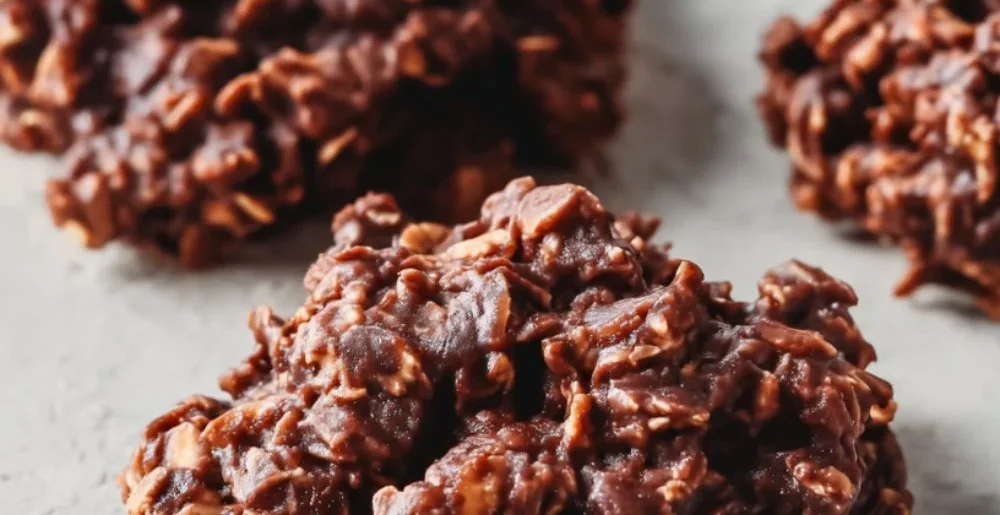
- In a saucepan, combine peanut butter, sugar, cocoa powder, and milk., 2. Bring to a boil over medium heat and let it boil for 1 minute., 3. Remove from heat and stir in vanilla extract and oats until well combined., 4. Drop spoonfuls of the mixture onto wax paper and let them cool until set.
Nutrient roles of each main ingredient
Understanding what each ingredient contributes helps guide portioning and pairing decisions:
- Peanut butter (1 cup): Provides plant-based protein and monounsaturated and polyunsaturated fats. These fats are energy-dense and help promote satiety. Peanut butter also supplies micronutrients like vitamin E, magnesium, and some B vitamins. Because it is energy-dense, portion awareness is useful if you’re monitoring calorie intake.
- Sugar (1 cup): Delivers simple carbohydrates that raise palatability and quick energy. While sugar enhances flavor, it contributes calories with little micronutrient value. Pairing the cookies with protein or fiber-rich foods in the same sitting can slow absorption and reduce rapid blood sugar spikes.
- Unsweetened cocoa powder (1/4 cup): Adds chocolate flavor with antioxidants (flavonoids) and negligible added sugar when unsweetened. Cocoa can increase flavor depth so less added sugar might be needed in some adaptations.
- Milk (1/4 cup): Helps bind ingredients and brings a modest amount of calcium, protein, and B vitamins. Non-dairy milks can be substituted for those avoiding lactose, though nutrient profiles will vary.
- Vanilla extract (1 teaspoon): Purely flavoring; small amounts enhance perceived sweetness without adding calories.
- Quick oats (3 cups): A source of complex carbohydrates and soluble fiber (beta-glucan), which supports digestive health and a steady release of energy. Oats also contribute plant-based protein and important minerals such as iron and zinc.
Together, these ingredients create an energy-dense snack with a balanced mix of fats, carbohydrates, and some protein. To optimize nutrient density, serve modest portions alongside fresh fruit, yogurt, or nuts depending on your needs.
The preparation method & its health impact
The preparation relies on gentle stovetop heating to dissolve sugar and combine ingredients, followed by cooling to set. This approach has several health and practical implications:
- Preserves nutrients: Because heating is brief, heat-sensitive nutrients in peanut butter and milk are not heavily degraded. Also, quick oats retain soluble fiber properties after minimal heat exposure.
- Controls added fats: There’s no added baking fat (butter or oil) beyond what’s already in the peanut butter, which reduces the need for extra saturated fats.
- Food safety considerations: Heating the mixture to a boil for one minute reduces microbial risk in the milk and peanut butter combination, but ensure the mixture reaches a rolling boil as instructed to maximize safety. After cooking, cool on clean surfaces and refrigerate if not consumed within a few hours.
- Digestive response: The combination of fat and fiber can slow gastric emptying, promoting steady energy release. For sensitive digestions, smaller portions can reduce potential discomfort, especially for those unaccustomed to concentrated nut butter servings.
Ways to lighten, enrich or modify the dish nutritionally
There are sensible ways to modify this recipe without altering the original ingredients or directions:
- Reduce sugar impact: Serve smaller portions with fresh fruit (e.g., sliced apple or berries) to add fiber, water, and micronutrients that help balance the treat.
- Increase protein: Pair a cookie with a small serving of Greek yogurt or cottage cheese to boost overall protein in the snack, supporting appetite regulation and muscle maintenance.
- Add fiber-rich sides: Enjoy the cookies with a side of carrot sticks or an oat-based smoothie to increase total dietary fiber for the meal.
- Swap milk externally: If you need to avoid lactose or prefer a different profile, prepare the recipe using your preferred milk at home but keep the given 1/4 cup quantity and the cooking step unchanged.
- Portion control: Use a small cookie scoop or tablespoon to standardize portions, which helps manage calorie density without changing taste.
If you’d like practical inspiration for lighter baked goods or swaps that emphasize whole grains, check this related resource on whole-grain cookies like chewy maple cinnamon cookies to see how flavor can be boosted with spices instead of more sugar.
Pairing ideas for a balanced, complete meal
These cookies work best as part of a balanced eating pattern rather than a standalone meal. Here are gentle, practical pairings:
- Breakfast pairing: One cookie with a serving of plain Greek yogurt and a handful of berries adds protein, calcium, and antioxidants, turning the cookie into a satisfying morning choice.
- Snack pairing: Pair a cookie with a small apple and a cup of herbal tea for hydration and additional fiber.
- Dessert pairing: Enjoy the cookie with a glass of low-fat milk or fortified plant milk to increase calcium and protein and make the dessert more meal-like.
- Kid-friendly option: Break a cookie into small pieces and mix with banana slices and a few chopped nuts for a mini parfait that balances textures and nutrients.
These pairings help distribute energy and nutrients across the meal, supporting digestion and preventing rapid energy swings.
Safe storage, food safety & optimal reheating
Because this recipe is no-bake and contains milk and nut butter, proper storage is important:
- Cooling: Allow cookies to cool completely on clean wax paper as directed. This step helps set texture and reduce microbial activity before storage.
- Short-term storage: Store in an airtight container at room temperature for up to 24–48 hours in a cool environment. If your home is warm, refrigerate them to maintain firmness and safety.
- Refrigeration: In the refrigerator, cookies will last 5–7 days. Keep them in a sealed container to prevent drying and odor transfer.
- Freezing: For longer storage, freeze on a tray until firm then transfer to a freezer-safe bag. Frozen cookies can last up to 2–3 months. Thaw in the refrigerator or at room temperature.
- Reheating: These cookies don’t require reheating. If you prefer them slightly softer, allow them to sit at room temperature for 10–20 minutes. Avoid microwaving for long periods, as that can change texture and make them oily.
Always use clean utensils and surfaces, and avoid leaving perishable mixtures at room temperature for extended periods.
Common nutrition questions about this dish
Q: Are these cookies high in protein? A: They provide some protein from peanut butter and milk, but they are not a high-protein food compared to lean meats, dairy, or legumes. Pairing with yogurt or a protein-rich beverage can raise total protein for a snack.
Q: Is the sugar amount a concern? A: The recipe contains a cup of sugar, which increases sweetness and calories. If you’re managing sugar intake, control portion size and pair with fiber and protein to moderate blood sugar response. Consider balancing dessert choices throughout the day.
Q: Are these safe for people with digestive sensitivity? A: For people with nut allergies, these are unsafe. For those sensitive to lactose, use lactose-free or plant-based milk alternatives (prepared separately but keeping the same volume). The oats and peanut butter provide fiber and fat that can be gentle for most people, but very large servings could cause mild digestive discomfort in some.
Q: Can children eat them? A: Yes, in appropriate portions, these can be a family-friendly treat. Supervise younger children with nut allergies and be mindful of sugar content for smaller bodies.
Final wellness notes
No-Bake Peanut Butter Chocolate Cookies are an accessible treat that can be enjoyed within a balanced eating pattern. They bring together protein, healthy fats, and fiber in a compact form, and because they’re quick to prepare, they can support a home-cooked food habit. Thoughtful portioning, pairing with nutrient-dense foods like fruit or dairy, and attention to storage make these cookies a practical part of occasional indulgence without compromising broader health goals. Small habit changes — for example, pairing one cookie with a bowl of fruit or choosing smaller portions — can make a meaningful difference in long-term dietary balance.
Conclusion
For recipe inspiration and variations, you may find these helpful: Chocolate Peanut Butter No Bake Cookies – Sally’s Baking offers technique notes for texture, Peanut Butter No Bake Cookies – Girl Versus Dough explores small ingredient tweaks, No Bake Chocolate Peanut Butter Cookies Recipe provides community-tested tips, Chocolate Peanut Butter No Bake Cookies Recipe | Food Network … includes professional technique reminders, and NO BAKE CHOCOLATE PEANUT BUTTER COOKIES shares serving ideas. Use these resources as companion references while keeping portion and pairing strategies in mind for long-term wellness.
No-Bake Peanut Butter Chocolate Cookies
Ingredients
Method
- In a saucepan, combine peanut butter, sugar, cocoa powder, and milk.
- Bring to a boil over medium heat and let it boil for 1 minute.
- Remove from heat and stir in vanilla extract and oats until well combined.
- Drop spoonfuls of the mixture onto wax paper and let them cool until set.