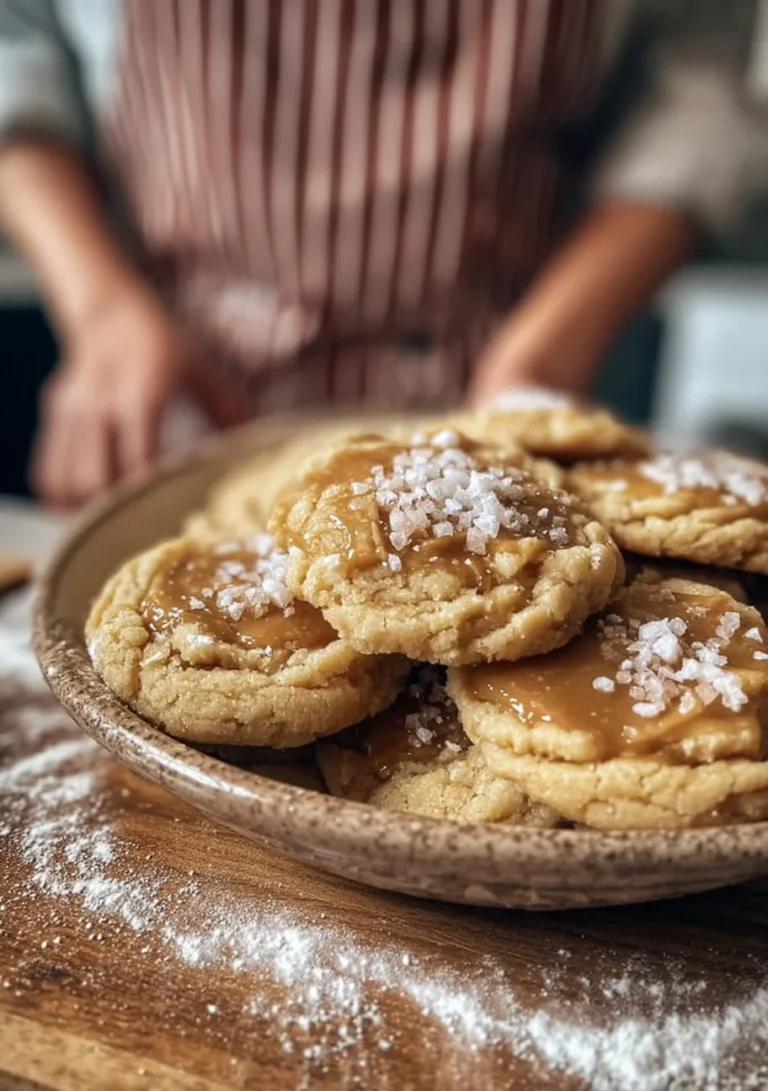
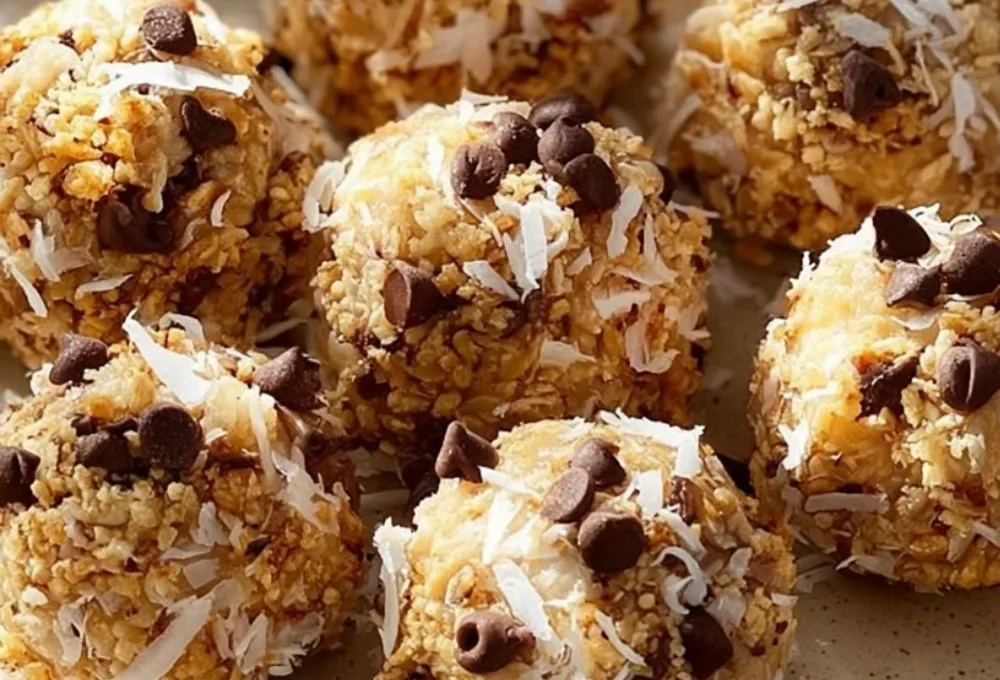
Moose Farts
Introduction
As a nutrition specialist, I aim to translate enjoyable recipes into thoughtful, evidence-based guidance that supports long-term wellness. Moose Farts is a classic, indulgent cookie-like treat that combines butter, brown sugar, oats, chocolate, coconut, and optional nuts. It’s the sort of homemade food that plays a role in celebrations, family gatherings, and everyday treats. Rather than labeling foods as strictly “good” or “bad,” I focus on how a recipe like this fits into an overall pattern of balanced eating, how its ingredients interact with digestion and metabolism, and practical ways to enjoy it while supporting nutrient density and satisfaction.
In this article I’ll outline how Moose Farts can be enjoyed responsibly, what each main ingredient contributes nutritionally, and how preparation and pairing choices affect digestion and fullness. You’ll also find safe storage advice and answers to common questions people ask about treats like this. My approach is calm, evidence-informed, and practical: treat this recipe as an occasional, enjoyable component of a varied food pattern, and use small, achievable strategies to increase nutrient balance and promote comfortable digestion.
How this recipe supports overall wellness
Treats are part of life and can support wellness when consumed within a balanced pattern. Moose Farts bring together energy-dense ingredients that can provide quick calories, but they also offer elements that support satiety and some micronutrients. The rolled oats contribute fiber, which helps steady blood sugar and supports healthy digestion when paired with fats and protein. Nuts add plant-based protein, minerals like magnesium and zinc, and heart-healthy unsaturated fats. Coconut and chocolate contribute flavor and fats that enhance satisfaction, which can help people feel content with a smaller portion.
From a behavioral standpoint, homemade treats allow control over ingredients and portion sizes, and preparing them can support mindful eating and family connection—both important for psychological and social aspects of wellness. Moderation and context matter: enjoying a small portion of Moose Farts alongside a protein-rich beverage or portion of fruit can mitigate rapid blood sugar spikes and extend fullness. For people managing chronic conditions, it’s important to consider the recipe as one part of total daily intake; for others, it can be a nourishing comfort food when balanced with nutrient-dense meals throughout the day.
How to make Moose Farts
Ingredients :
1 cup butter, 1 cup brown sugar, 2 cups all-purpose flour, 1 cup rolled oats, 1/2 cup chocolate chips, 1/2 cup shredded coconut, 1/2 cup chopped nuts (optional), 1 teaspoon vanilla extract, 1/2 teaspoon baking soda, 1/4 teaspoon salt
Directions :
- Preheat the oven to 350°F (175°C)., 2. In a large bowl, cream together the butter and brown sugar until smooth., 3. Stir in the vanilla extract., 4. In another bowl, combine the flour, baking soda, and salt. Gradually add this dry mixture to the butter-sugar mixture, mixing well., 5. Fold in the rolled oats, chocolate chips, shredded coconut, and nuts (if using)., 6. Drop spoonfuls of the dough onto a lined baking sheet., 7. Bake for 10-12 minutes or until lightly golden., 8. Let cool on a wire rack before serving.
The ingredients and directions above are presented as written. Below I expand on the nutritional roles of the main components, how the method affects health, and practical ways to integrate this recipe into a balanced eating plan.
Nutrient roles of each main ingredient
- Butter: Butter is primarily a source of saturated fat and fat-soluble vitamins (small amounts of vitamins A, D, E, and K). Dietary fat slows gastric emptying, which can increase satiety and slow absorption of carbohydrates. If you’re managing saturated fat intake for cardiovascular risk, consider portion control and balancing saturated-fat-rich foods with sources of unsaturated fats elsewhere in the day.
- Brown sugar: Brown sugar provides quickly available carbohydrates (simple sugars) that are rapidly absorbed. These give immediate energy but can also contribute to blood sugar elevations if eaten alone. Pairing a sweet treat with fiber, protein, or fat helps blunt the post-meal glucose rise and supports sustained energy.
- All-purpose flour: Refined flour is an easily digestible carbohydrate that contributes structure and bulk. It provides less fiber and fewer micronutrients than whole-grain alternatives. When consumed with oats, fats, and protein, refined flour’s impact on blood sugar is moderated.
- Rolled oats: Oats add soluble fiber (beta-glucan) and some resistant starch. Soluble fiber supports healthy digestion, feeds beneficial gut bacteria, and can help maintain more stable blood glucose levels. Including oats in a treat increases its fiber content and supports fullness.
- Chocolate chips: Chocolate chips provide flavor and small amounts of antioxidants depending on cocoa content. They also add simple sugars and fats. Darker chocolate with higher cocoa content brings more polyphenols, but chocolate chips vary widely—look at labels if you want more cocoa and less sugar.
- Shredded coconut: Coconut contributes texture and saturated fats, including medium-chain triglycerides (MCTs). While coconut offers unique flavors and some minerals, it is still high in calories and saturated fat, so portion awareness is useful.
- Chopped nuts (optional): Nuts bring plant-based protein, fiber, unsaturated fats, vitamin E, magnesium, and other trace minerals. Including nuts improves the meal’s nutrient density and helps increase satiety due to protein and fat content.
- Vanilla extract, baking soda, salt: These ingredients contribute flavor and chemical leavening. Salt is used in small amounts to enhance flavor; for people monitoring sodium intake, the modest amount here is usually not a major concern in the context of a whole diet.
The preparation method & its health impact
The preparation for Moose Farts is straightforward and involves creaming butter with brown sugar, integrating dry ingredients, folding in add-ins, and baking. From a health perspective, baking is a direct-heat method that doesn’t require additional oils or frying, which is generally favorable. The creaming process aerates the dough and changes texture but does not meaningfully alter nutrient composition beyond mixing fats and sugars together.
Baking at moderate temperature (350°F / 175°C) for 10–12 minutes provides a gentle cook that sets structure without charring. Overbaking can lead to higher formation of certain Maillard reaction products; baking until “lightly golden” as directed avoids excessive browning. Cooling on a wire rack is important for texture and helps steam escape so the finished item doesn’t remain overly moist—moisture control is also a food-safety consideration if storing later.
Ways to lighten, enrich or modify the dish nutritionally
If you want to shift Moose Farts toward higher nutrient density or lower overall energy density without changing the original recipe listed above, consider these optional strategies:
- Add protein at the meal: Serve a small portion with a cup of Greek yogurt or a glass of milk to increase protein intake, which aids satiety and supports stable blood sugar responses.
- Emphasize nuts: Keeping the optional nuts in the recipe increases protein, fiber, and healthy fats—this adds nutritional value and improves satiety.
- Choose darker chocolate chips: Selecting chips with higher cocoa content and less added sugar provides more antioxidants and less sugar per bite.
- Control portion size: Scoop smaller cookies and enjoy more servings over several days, or place a single cookie on a small plate with fresh fruit to satisfy a sweet craving while increasing fiber and micronutrient intake.
- Add fresh fruit on the side: Serving the cookie with berries or sliced apple adds fiber, water, and vitamins, which helps balance the energy-dense treat.
- Mindful ingredient swaps (conceptual): If you’re regularly making this recipe and want to experiment, consider swapping a portion of refined flour for whole-grain flour or increasing oats slightly, or replacing some of the sugar with a natural sweetener—any swap should be tested for texture and flavor. (Note: these are suggestions to consider; the original ingredient and directions as provided above remain unchanged.)
Pairing ideas for a balanced, complete meal
Moose Farts work best as a dessert or occasional snack. For a more balanced approach, pair a small serving with components that add protein, fiber, and hydration:
- Breakfast pairing: One or two small Moose Farts with a serving of plain Greek yogurt and a handful of berries provides protein, probiotics, and additional fiber to accompany the treat.
- Afternoon snack: Pair a single cookie with a piece of fruit (apple, pear) and a small handful of nuts to create balance between carbohydrates, protein, and fat for sustained energy.
- After-dinner treat: Enjoy a single cookie with herbal tea and a small square of dark chocolate to savor flavor without excess calories.
These pairings help slow carbohydrate absorption, reduce rapid hunger rebounds, and increase overall nutrient intake from the eating occasion.
Safe storage, food safety & optimal reheating
- Room temperature: Store cooled Moose Farts in an airtight container at room temperature for 2–3 days. Keep them away from direct sunlight and heat sources to prevent melting of chocolate and spoilage.
- Refrigeration: For longer storage up to one week, refrigerate in a sealed container. Note that refrigeration can change texture—cookies may firm up. Bring to room temperature for best flavor.
- Freezing: For extended storage up to 2–3 months, freeze in a single layer on a tray, then transfer to a freezer-safe bag or container. Thaw at room temperature or reheat gently.
- Reheating: Warm briefly in a low oven (around 300°F / 150°C) for a few minutes to refresh texture and melt chocolate slightly, or microwave in short 5–10 second bursts if preferred. Avoid overheating, which can dry them out.
- Food safety: Because this recipe is fully baked, the primary safety considerations are preventing mold and staleness. Ensure cookies are fully cooled before sealing to avoid condensation and microbial growth.
Common nutrition questions about this dish
- Is this recipe high in calories? Yes, due to butter, sugar, and carbohydrate content, this recipe is energy-dense. Portion control and mindful pairing with protein or fruit can help integrate it into a balanced eating plan.
- Does the presence of oats make it “healthy”? Oats add beneficial soluble fiber, which improves the nutritional profile compared with a cookie made solely from refined flour and sugar. However, fiber alone doesn’t make a food healthful in all contexts; consider overall calories and frequency of consumption.
- Can people with diabetes eat this? People with diabetes can include treats, but should do so with attention to portion size and by pairing with protein or fiber to minimize blood sugar spikes. Individual medication and insulin regimens affect how carbohydrates are managed, so personalized advice from a healthcare provider is recommended.
- Are the fats in butter and coconut harmful? Saturated fats in butter and coconut should be consumed in moderation as part of a varied diet that includes unsaturated fats from nuts, seeds, fish, and plant oils. Balance and total dietary pattern matter more than single ingredients.
Final wellness notes
Moose Farts are a flavorful, comforting treat that can be enjoyed within a balanced diet. The recipe combines energy-dense ingredients with some fiber and micronutrient-rich additions like oats and nuts. My recommendation is to enjoy these cookies mindfully: plan a reasonable portion, pair with a protein or fruit, and savor them as part of a varied eating pattern. Small, consistent habits—such as including whole foods and adequate protein across meals, staying hydrated, and keeping treats occasional—support long-term wellbeing more effectively than restrictive approaches. Preparing and sharing homemade treats can also contribute to social connection and satisfaction, both valuable for overall health.
Conclusion
For context and variations on the Moose Farts concept, you can explore a simple no-bake take at Moose Farts. An easy to prepare no-bake cookie treat kids will love! and read a creative perspective on similar treats in Bready or Not: Moose Farts | BethCato.com.
Moose Farts
Ingredients
Method
- Preheat the oven to 350°F (175°C).
- In a large bowl, cream together the butter and brown sugar until smooth.
- Stir in the vanilla extract.
- In another bowl, combine the flour, baking soda, and salt. Gradually add this dry mixture to the butter-sugar mixture, mixing well.
- Fold in the rolled oats, chocolate chips, shredded coconut, and nuts (if using).
- Drop spoonfuls of the dough onto a lined baking sheet.
- Bake for 10-12 minutes or until lightly golden.
- Let cool on a wire rack before serving.