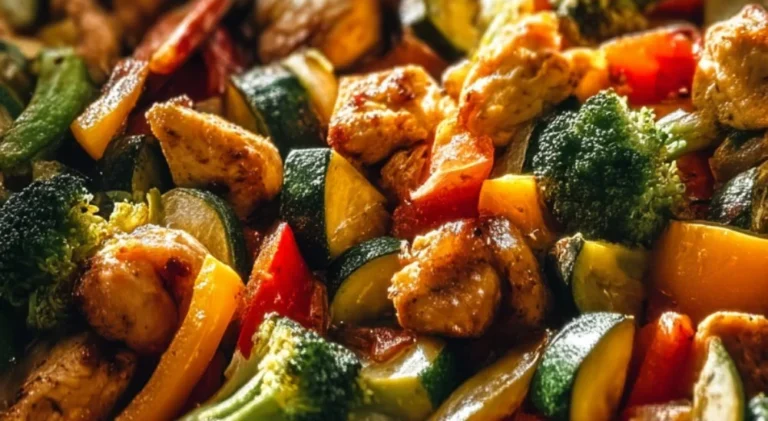
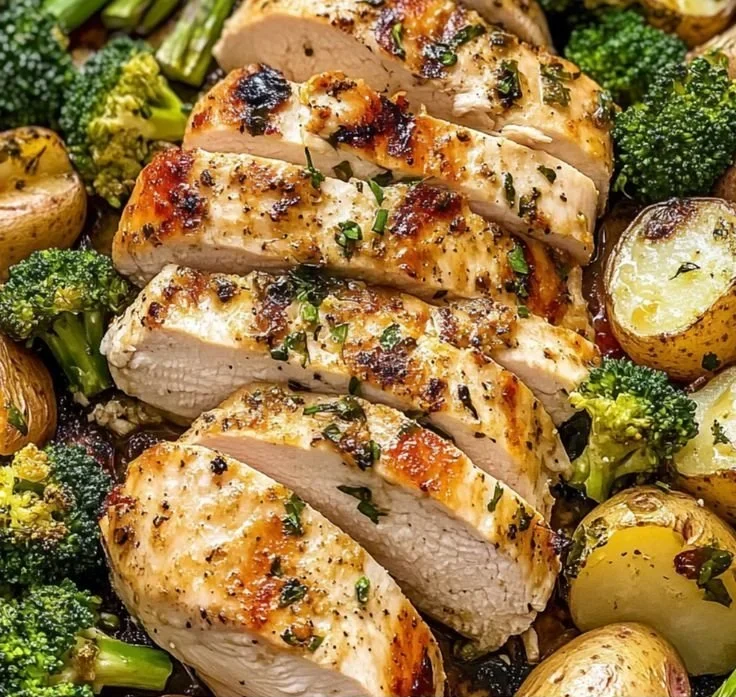
Sheet Pan Garlic Butter Chicken and Veggies
Introduction
Sheet Pan Garlic Butter Chicken and Veggies is a practical example of how nourishing meals don’t need to be complicated to be effective. From a nutrition perspective, this dish checks several important boxes: it provides a high-quality protein source, a variety of fiber-rich vegetables, and fats that enhance flavor and nutrient absorption—all prepared in a way that preserves both taste and nutritional value.
For busy households or individuals trying to maintain consistent, balanced eating habits, sheet pan meals are especially helpful. They reduce decision fatigue, minimize cleanup, and encourage home cooking, which is strongly associated with improved diet quality. Garlic butter chicken may sound indulgent, but when approached thoughtfully, it fits well into a balanced, health-supportive eating pattern.
This article explores how this recipe supports overall wellness, the nutritional roles of each ingredient, and how to adapt the dish while respecting its original ingredients and preparation.
How This Recipe Supports Overall Wellness
From a whole-meal standpoint, this dish supports wellness through balance rather than restriction. It combines lean protein, vegetables, and fats in proportions that help regulate blood sugar, support muscle maintenance, and promote satiety.
Chicken breast offers complete protein, which is essential for tissue repair, immune function, and metabolic health. The mixed vegetables contribute fiber, antioxidants, and micronutrients that support digestion and cardiovascular health. Butter and olive oil, while calorie-dense, provide fats that slow digestion slightly, helping you feel satisfied and preventing sharp blood sugar spikes.
Another wellness advantage is predictability. Meals like this are easy to repeat weekly, which is beneficial for individuals managing weight, blood sugar, or digestive comfort. Consistency often matters more than perfection when it comes to long-term health outcomes.
Nutrient Roles of Each Main Ingredient
Chicken Breasts
Boneless, skinless chicken breasts are a lean, high-protein food. Protein plays a critical role in maintaining muscle mass, supporting immune defenses, and stabilizing appetite hormones. Chicken is also a source of B vitamins, particularly niacin (B3) and vitamin B6, which help convert food into usable energy.
Mixed Vegetables (Broccoli, Carrots, Bell Peppers)
These vegetables provide a range of nutrients:
- Broccoli contributes fiber, vitamin C, vitamin K, and compounds that support liver detoxification.
- Carrots are rich in beta-carotene, which the body converts into vitamin A, supporting vision and immune health.
- Bell peppers are high in vitamin C and antioxidants that help combat oxidative stress.
The fiber content of vegetables supports gut health and helps regulate digestion.
Butter
Butter contains saturated fat and fat-soluble vitamins such as vitamin A. While it should be consumed in moderation, small amounts can enhance flavor and improve satisfaction, which often leads to better adherence to home-cooked meals. Using butter intentionally rather than excessively is key.
Garlic
Garlic is widely studied for its potential cardiovascular and immune benefits. It contains sulfur compounds that may support heart health and has mild antimicrobial properties. From a digestive standpoint, garlic also adds flavor without needing excess salt.
Olive Oil
Olive oil provides monounsaturated fats, which are associated with improved heart health. Drizzling a small amount over the vegetables enhances flavor and aids absorption of fat-soluble vitamins found in vegetables.
Italian Seasoning, Salt, and Pepper
Herbs and spices contribute antioxidants and allow for flavor complexity without added sugar or processed sauces. Moderating salt helps manage blood pressure while still maintaining taste.
The Preparation Method & Its Health Impact
The sheet pan method offers nutritional advantages beyond convenience. Baking at a moderate temperature (400°F / 200°C) allows proteins to cook thoroughly without excessive charring, which can degrade nutrients and create unwanted compounds.
Spreading ingredients in a single layer promotes even cooking and mild browning, enhancing flavor without deep frying. This method also reduces the need for additional oils or sauces, keeping the overall fat content balanced.
Another benefit is portion visibility. Cooking everything on one pan makes it easier to visually balance protein and vegetables on the plate, encouraging healthier portion distribution.
Ways to Lighten, Enrich or Modify the Dish Nutritionally
Without changing the original ingredients or steps, there are still nutrition-focused approaches to serving this dish:
- Portion Emphasis: Increase the vegetable-to-chicken ratio on your plate to boost fiber intake while maintaining protein adequacy.
- Fat Awareness: Enjoy the garlic butter as prepared, but avoid adding extra butter at the table.
- Garlic Distribution: Ensuring garlic is evenly mixed prevents the need for additional seasoning later.
- Vegetable Variety: While the recipe already allows flexibility, choosing darker or more colorful vegetables increases antioxidant intake.
These approaches maintain the integrity of the recipe while aligning it with individual health goals.
Pairing Ideas for a Balanced, Complete Meal
To round out the meal nutritionally, pairing matters:
- Whole Grains: A small serving of brown rice, quinoa, or whole-grain bread can add complex carbohydrates and additional fiber.
- Fresh Salads: A simple leafy green salad with lemon or vinegar-based dressing complements the richness of the garlic butter.
- Fermented Foods: Adding a side like fermented vegetables can support gut health and digestion.
These additions help create a complete plate with protein, fiber, healthy fats, and carbohydrates.
Safe Storage, Food Safety & Optimal Reheating
Proper storage preserves both safety and nutritional quality. Once cooled, leftovers should be placed in an airtight container and refrigerated within two hours of cooking. Stored properly, they remain safe to eat for up to three days.
For reheating, gentle methods are best. Using the oven at a low temperature helps retain moisture and texture. Microwaving is acceptable but should be done gradually to prevent drying out the chicken. Always reheat until the internal temperature reaches safe levels.
Common Nutrition Questions About This Dish
Is garlic butter chicken healthy?
When portioned appropriately and paired with vegetables, garlic butter chicken can absolutely be part of a healthy diet. Balance and frequency are key.
Is this suitable for weight management?
Yes, the high protein and fiber content support fullness, which can help regulate overall calorie intake.
Does butter make this dish unhealthy?
Butter is calorie-dense, but in moderate amounts it can fit into a balanced diet. The overall meal composition matters more than any single ingredient.
Is this meal digestion-friendly?
For most people, yes. The fiber from vegetables supports digestion, though individuals sensitive to garlic may wish to adjust portions.
Final Wellness Notes
Sheet Pan Garlic Butter Chicken and Veggies demonstrates how approachable cooking can align with nutritional best practices. It emphasizes whole foods, balanced macronutrients, and a preparation method that supports both health and real-life schedules. Rather than striving for dietary extremes, meals like this encourage consistency, enjoyment, and long-term wellness—three factors that matter far more than perfection.
[recipe-card shortcode unchanged]
Amish Hamburger Steak Bake
Ingredients
Method
- Preheat the oven to 350°F (175°C).
- In a skillet, brown the ground beef over medium heat until fully cooked. Drain excess fat.
- Add onion, mushrooms, and garlic to the skillet, cooking until softened.
- Stir in beef broth, cream of mushroom soup, mixed vegetables, Worcestershire sauce, salt, and pepper.
- In a baking dish, layer the beef mixture and top with mashed potatoes.
- Sprinkle shredded cheese on top if desired.
- Bake for 25-30 minutes until heated through and cheese is melted. Serve warm.
Notes
Amish Hamburger Steak Bake
Ingredients
Method
- Preheat the oven to 350°F (175°C).
- In a skillet, brown the ground beef over medium heat until fully cooked. Drain excess fat.
- Add onion, mushrooms, and garlic to the skillet, cooking until softened.
- Stir in beef broth, cream of mushroom soup, mixed vegetables, Worcestershire sauce, salt, and pepper.
- In a baking dish, layer the beef mixture and top with mashed potatoes.
- Sprinkle shredded cheese on top if desired.
- Bake for 25-30 minutes until heated through and cheese is melted. Serve warm.