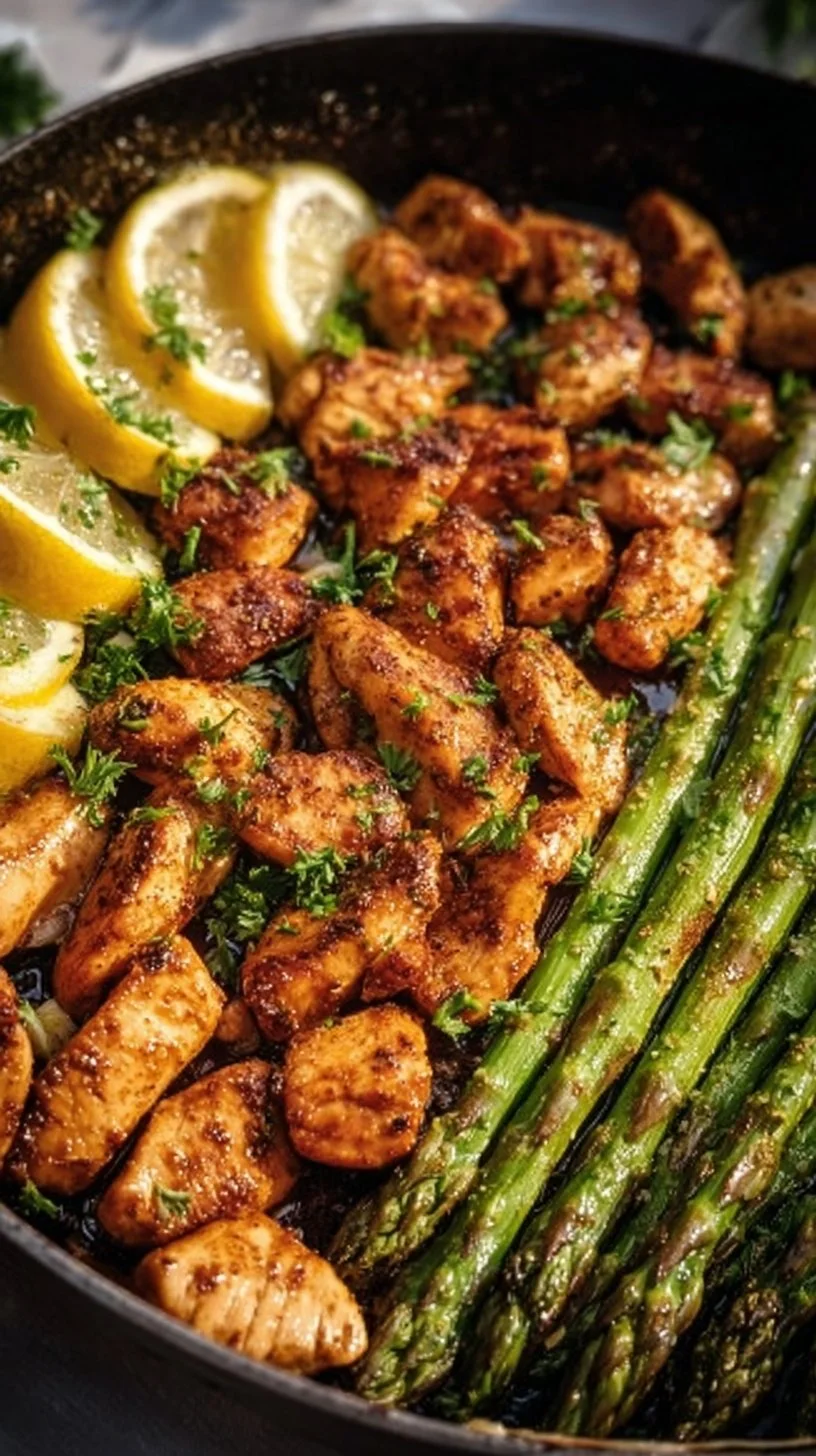
Garlic Butter Chicken Bites and Lemon Asparagus
AARON Introduction
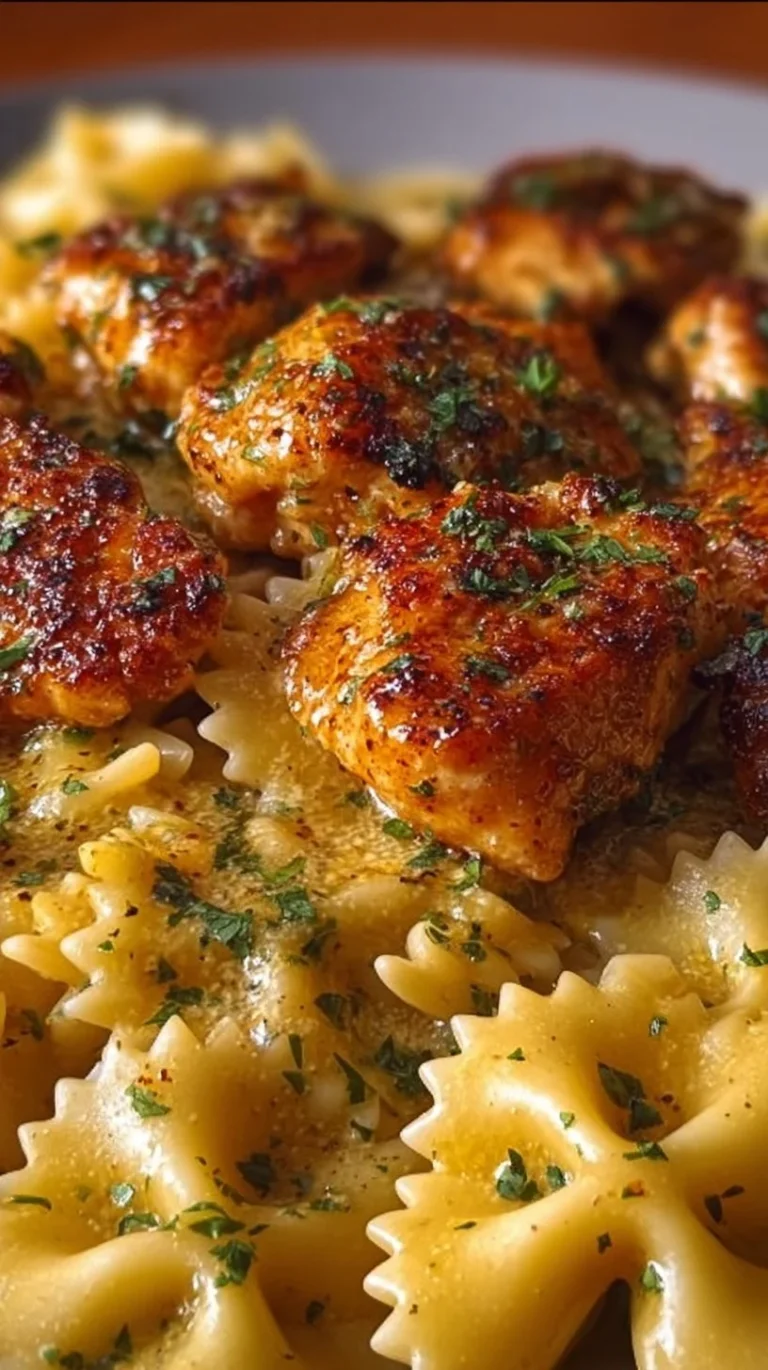
As a nutrition specialist, I aim to offer practical, balanced guidance that helps you cook with confidence and supports long-term wellness. Garlic Butter Chicken Bites and Lemon Asparagus is a straightforward, nutrient-dense weeknight dish that combines lean protein, healthy fats, and a fiber-rich vegetable — a simple template for a balanced meal. If you enjoy flavor-forward, one-pan dinners, you may also appreciate a similar take on combining chicken with familiar pantry ingredients; for a pasta-based variation, see this garlic butter chicken and bowtie pasta for ideas on stretching the meal or serving it to a crowd.
In the text below I’ll walk through how this recipe supports digestion and nutrient balance, the science behind the main ingredients, the specific preparation steps (unchanged), and practical ways to adapt or pair the meal for different goals. My focus is on clarity and usable nutrition guidance — how the dish supplies key nutrients, how cooking choices affect health, and how to store and reheat safely. This helps you make informed decisions that fit your taste, schedule, and long-term wellness.
How this recipe supports overall wellness
This recipe offers a sensible balance of macronutrients and micronutrients. Chicken breast supplies high-quality protein, which supports muscle maintenance, satiety, and repair processes. Butter provides flavorful dietary fat, which helps with the absorption of fat-soluble vitamins and contributes to palatability — an important factor in sustaining healthy eating patterns. Garlic adds a sensory boost and some bioactive compounds that have been associated with modest health benefits in population studies. Lemon contributes vitamin C, which can support immune function and enhance the absorption of certain minerals from plant foods.
Asparagus is a low-calorie vegetable with fiber, folate, and antioxidants. Fiber supports gut motility and the health of your microbiome when consumed regularly, which in turn can influence digestion and long-term metabolic health. The combination of protein, fat, and fiber in this dish helps moderate post-meal blood sugar responses by slowing digestion and producing a steady release of energy, which is useful for appetite control and sustained energy between meals.
Taken together, these components make the dish nutrient-dense relative to its simplicity. It’s an approachable way to meet evening protein needs and include non-starchy vegetables, supporting weight-stable and metabolic health when eaten as part of a varied dietary pattern.
How to make Garlic Butter Chicken Bites and Lemon Asparagus
Below are the exact ingredients and directions for the recipe, presented unchanged so you can follow them precisely in your kitchen.
Ingredients :
1 lb chicken breast, cut into bite-sized pieces, 4 tablespoons butter, 4 garlic cloves, minced, 1 lemon, juiced and zested, 1 lb asparagus, trimmed, Salt and pepper to taste, Fresh parsley, chopped (for garnish)
Directions :
- In a large skillet, melt the butter over medium heat., 2. Add the minced garlic and sauté until fragrant., 3. Add the chicken bites to the skillet, season with salt and pepper, and cook until golden and cooked through., 4. Add the asparagus to the skillet and cook until tender., 5. Squeeze lemon juice over the chicken and asparagus, and add lemon zest., 6. Toss everything to combine., 7. Garnish with chopped parsley before serving.
These instructions emphasize quick, direct cooking in a single pan — a style that preserves texture and concentrates flavor. Cooking the chicken until it reaches a safe internal temperature (165°F or 74°C) ensures food safety while forming a pleasant golden surface that enhances enjoyment and satiety.
Nutrient roles of each main ingredient
Chicken breast: A lean source of complete protein, supplying essential amino acids your body needs for tissue repair and maintenance. Proteins also promote feelings of fullness, which can help regulate portion size and reduce the tendency to snack later. Chicken is low in saturated fat when prepared without excess added fats.
Butter: Provides saturated and unsaturated fats, which contribute to calorie density and flavor. Fats are necessary for the absorption of fat-soluble vitamins (A, D, E, K) and help make meals more satisfying. Using a tablespoon or two per serving is a practical balance between flavor and energy control.
Garlic: Contains sulfur-containing compounds (like allicin) which contribute to aroma and potentially offer antioxidant activity. While garlic shouldn’t be framed as a therapeutic cure, it is a nutrient-rich flavoring that can reduce the need for added salt by contributing robust taste.
Lemon (juice and zest): Supplies vitamin C, a water-soluble antioxidant that supports collagen production and iron absorption from plant sources. The acidity also brightens the dish and can reduce reliance on heavy seasonings.
Asparagus: A non-starchy vegetable high in fiber, folate, and antioxidants like glutathione precursors. Fiber supports healthy bowel function and feeds beneficial gut bacteria, which in turn supports metabolic and immune health. Folate is important for DNA synthesis and cell division.
Salt and pepper: Used sparingly, salt enhances flavor and can help make healthy foods more acceptable to the palate. Moderation is key to avoid excessive sodium intake.
Fresh parsley: Adds vitamins (notably vitamin K) and antioxidants, and provides a fresh, herby counterpoint to richer flavors.
The preparation method & its health impact
A pan-seared, sauté-style preparation like this concentrates flavors while retaining nutrients when done properly. Quick cooking at moderate heat helps preserve water-soluble vitamins in asparagus and lemon juice. Browning (the Maillard reaction) on the chicken enhances aroma and palatability, which is important for appetite satisfaction and adherence to nutritious meals.
However, cooking fats at very high temperatures for prolonged periods can oxidize unsaturated fats and generate compounds you may want to minimize. Using butter over medium heat and avoiding burning the fat keeps the cooking environment reasonable. If you prefer a lower saturated fat profile, you can moderate the amount of butter used without changing the recipe’s stated ingredient list — see the "Ways to lighten, enrich or modify" section for practical ideas.
The single-skillet approach minimizes cleanup and reduces the need for added cooking oils or sauces, which often contribute extra calories and sodium. Adding lemon toward the end preserves vitamin C and bright flavor.
Ways to lighten, enrich or modify the dish nutritionally
You asked not to change the written ingredients or directions; however, there are evidence-based approaches to adapt portioning and pairings around the recipe to meet different nutritional goals while keeping the recipe intact on the plate:
Lighten the meal for lower-energy needs: Reduce portion size of the chicken bites and supplement with more asparagus or a side salad to maintain volume and fiber. This keeps satiety without adding extra calories.
Enrich for higher energy or athletic needs: Add a serving of whole grains (brown rice, quinoa) or starchy vegetables (roasted sweet potato) to increase carbohydrate for recovery and glycogen replenishment.
Boost fiber and micronutrients: Serve the dish over a bed of mixed greens or with a side of roasted Brussels sprouts or kale to add additional vitamins, minerals, and fiber.
Increase healthy fats: If you want more unsaturated fats, add a squeeze of olive oil to the finished plate (after cooking) or serve with a small portion of mashed avocado on the side.
Reduce saturated fat while preserving flavor: After following the recipe as written, remove any visible butter pooling and use a paper towel to blot excess, or serve smaller portions of the buttery sauce over the vegetables rather than the whole plate.
These approaches allow you to tailor the meal to energy needs and dietary priorities without changing the recipe itself.
Pairing ideas for a balanced, complete meal
To create a well-rounded plate, think about adding one carbohydrate source and one additional vegetable or salad:
Simple whole-grain pairing: A modest portion (about 1/2 to 3/4 cup cooked) of quinoa or brown rice provides fiber and complex carbohydrates to balance the protein and fat in the chicken and butter.
Starchy vegetable choice: Oven-roasted sweet potatoes or a baked fingerling potato make a nutrient-dense carbohydrate source rich in beta-carotene or potassium.
Fresh salad: A tossed salad with mixed greens, cherry tomatoes, cucumber, and a light vinaigrette adds volume, extra fiber, and additional micronutrients without much extra cooking time.
Mediterranean twist: Pair with whole-grain pita and a scoop of hummus for added plant protein and fiber; the lemon in the chicken dish will harmonize with the hummus flavors.
If you’re exploring different seafood or alternate chicken presentations for variety in your weekly rotation, check out this take on pairing chicken with fish for inspiration: garlic butter chicken and salmon. This can help you rotate proteins and diversify nutrient intake across meals.
Safe storage, food safety & optimal reheating
Food safety is essential to preserve nutrient quality and prevent foodborne illness:
Cooling and storing: After serving, cool leftovers quickly (within two hours at room temperature). Store in shallow airtight containers and refrigerate at or below 40°F (4°C). Consume within 3–4 days.
Freezing: If you want longer storage, place cooled portions in freezer-safe containers or bags and freeze for up to 2–3 months. Label with date.
Reheating: Reheat gently to avoid drying the chicken. Microwaving is acceptable; cover and heat until steaming hot throughout. For better texture, reheat in a skillet over medium-low heat with a splash of water or a small pat of butter to restore moisture. Use a food thermometer to ensure reheated portions reach at least 165°F (74°C).
Avoid repeated reheating: Reheat only the portion you plan to eat to maintain quality and safety.
Following these steps preserves both food safety and the best possible nutrient profile.
Common nutrition questions about this dish
Is the butter unhealthy? Butter is a concentrated source of saturated fat and provides flavor that encourages vegetable intake. When used in moderate amounts and balanced across overall daily intake, it can be part of a healthy pattern. If you have specific lipid concerns, discuss fat choices with your healthcare provider or dietitian and consider moderation or substitutions outside of the written recipe.
Will garlic upset digestion? Garlic can be well tolerated by most people and offers flavor without added sodium. For some with sensitive digestion or irritable bowel symptoms, raw or large amounts of garlic can cause discomfort; cooking tends to reduce its harshness. Adjust portion sizes to your tolerance.
Is asparagus a good source of iron? Asparagus contains some non-heme iron plus folate, but it’s not a primary iron source. Vitamin C from the lemon helps enhance absorption of plant-based iron, so pairing them in the dish is a simple nutritional advantage.
How many servings is this recipe? The recipe yields roughly 2–4 servings depending on appetite and portion sizes. Pairing with grains or additional vegetables can stretch it to serve more people while maintaining balance.
Is this suitable for a low-carb or ketogenic approach? The dish itself is low in carbohydrates when served without grains, so it fits lower-carb patterns. For a strict ketogenic approach, pay attention to butter amounts and add non-starchy vegetables as preferred.
Final wellness notes
Consistent, enjoyable meals are a cornerstone of long-term healthy eating. Garlic Butter Chicken Bites and Lemon Asparagus is a practical, flavorful option that supports protein needs, includes a non-starchy vegetable, and offers flexibility for different dietary goals. Small adjustments to portion sizes and side choices can tailor the meal to energy requirements, while minimal ingredients and one-skillet simplicity support regular home cooking — a habit strongly associated with better diet quality over time. Focus on balance, variety, and gentle portion control rather than perfection; those sustainable habits matter most for lasting wellbeing.
Conclusion
If you’d like a similar approach from another source for inspiration on a one-pan chicken and asparagus preparation, see this Garlic Butter Chicken and Asparagus Recipe (One-Pan) – The Kitchn for technique ideas. For a lower-carb, ketogenic-oriented take on the same flavors, you can reference this Keto Garlic Butter Chicken Bites & Lemon Asparagus for additional serving and macro-focused suggestions.
Garlic Butter Chicken Bites and Lemon Asparagus
Ingredients
Method
- In a large skillet, melt the butter over medium heat.
- Add the minced garlic and sauté until fragrant.
- Add the chicken bites to the skillet, season with salt and pepper, and cook until golden and cooked through.
- Add the asparagus to the skillet and cook until tender.
- Squeeze lemon juice over the chicken and asparagus, and add lemon zest.
- Toss everything to combine.
- Garnish with chopped parsley before serving.