Breakfast Tostadas
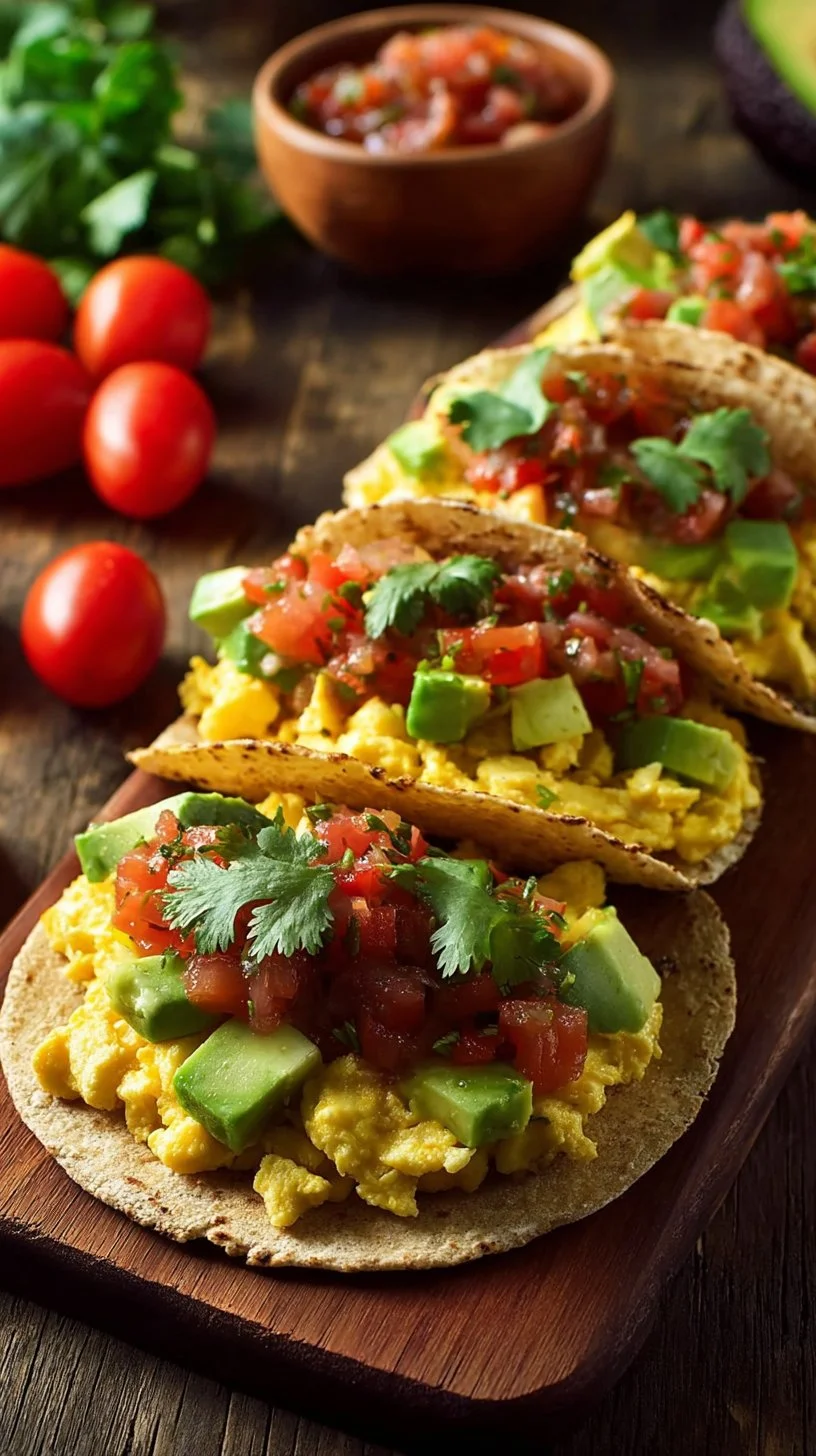
There is a morning in every city where the air itself seems to make room for breakfast—warm, porous, and expectant. I first met breakfast tostadas on a sunlit street corner in a town whose name I now forget, where a sidewalk stall pulsed with local life: elders scheming over the day’s errands, bicycle vendors pointing to fresh citrus, children trading sticky-sweet mango slices. The tostada arrived with a crispness like a small, edible cymbal—thin corn like a paper map of the land, a smear of warm beans like a remembered season, and eggs that moved from golden folds to soft clouds across the surface. It tasted of morning work, of fields and kitchens and family gossip, and of the small, insistent joy of beginning again.
As a travel writer, breakfast is my map. In the quiet hours between night and market, dishes like the tostada reveal the lineage of a place: what grows there, what was traded, and what was endured. Breakfast tostadas are not a mere combination of ingredients; they are a living palimpsest of cultural touches—Indigenous corn, Spanish influences on dairy and eggs, immigrant improvisations, and the everyday rituals that stitch communities together. The dish is portable and modest, yet it carries the weight of history in its texture and the brightness of contemporary life in its toppings.
The origin story & regional influence behind this dish
Tostadas, in their most ancestral form, are simple celebrations of corn—nixtamalized, ground, shaped, and toasted until the edges sing. Corn has been central to Mesoamerican cultures for millennia; to see it transformed into a crisp canvas for breakfast is to witness an evolution of daily ritual. The breakfast tostada, as I understand it, is an intimate offspring of huevos rancheros and the street-food culture of northern and central Mexico. It borrows the communal language of the ranch—eggs, salsa, lime—then adapts to the mobility of modern life, becoming a handheld morning offering.
Region plays a quiet but decisive role. In cooler highland towns, breakfasts favor heartier beans and warming spices; near coasts, you might find a splash of citrus or seafood influence; in urban kitchens, avocado arrives as a late but now-beloved garnish. The layers on a breakfast tostada—corn, beans, eggs, salsa—read like a map of trade routes and agricultural patterns. Chili powder, garlic, and cumin reflect colonial spice exchanges and the palate’s adaptation. And the tortilla—sometimes store-bought, sometimes hand-pressed—speaks to local craft: a handmade tortilla carries the aroma of wood smoke and memory; a mass-produced one carries the pulse of a city.
How to make Breakfast Tostadas
Cooking this dish feels like following a familiar conversation. The steps are straightforward but ceremonial: crisp the tortilla until it’s a brittle stage for warmth; fold beans and spices like an old story; let the eggs become gentle clouds. Each gesture—spritzing, flipping, stirring—becomes a small blessing that honors the ingredients and the people who have eaten this way for generations. Below are the ingredients and directions as handed down in this particular recipe; the procedure is simple, so the attention goes to texture and timing, to finding the precise moment when a crisp shell meets a warm, yielding interior.
Ingredients :
4 (6-inch) corn tortillas, 2 large eggs, salt and pepper (to taste), 1 cup fat free refried beans, 1/8 teaspoon chili powder, 1/8 teaspoon garlic powder, 1/8 teaspoon cumin, 2 oz peeled and sliced avocado, 4-6 cherry tomatoes (sliced or chopped), 4 tablespoons salsa, 4 lime wedges, 2 teaspoons chopped cilantro
Directions :
Preheat the oven to 400 degrees. Line a baking sheet with parchment paper and place the tortillas on it in a single layer. Mist the tortillas with cooking spray and then flip each tortilla over and mist the other side. Place the tortillas in the preheated oven for 5 minutes. When the 5 minutes is up, flip each tortilla over and put them back in for another 5 minutes until firm and crispy. While the tortillas are cooking, slice the avocado, cherry tomatoes, and cilantro. Crack the eggs into a bowl, add a splash of water, and beat with a whisk. Mist a small skillet with cooking spray and bring over medium heat. Add the eggs and cook until fully scrambled. Place the refried beans in a microwavable bowl and heat on high for about a minute. Stir in chili powder, garlic powder, and cumin. When the tortillas come out, spread 1/4 cup of warm refried beans over each tortilla. Top with 1/4 of the scrambled eggs, 1/2 oz of avocado, tomatoes, salsa, a squeeze of lime, and sprinkle cilantro on top. Serve warm.
Ingredients through a cultural & historical lens
Look at this ingredient list and you read a compact history. Corn tortillas are the anchor: nixtamalization, the process that transformed maize into nutritional and cultural keystone, is a revolutionary act of culinary science practiced for generations. Refried beans—frijoles—are neither new nor uniform; they are a staple of sustenance, a form of preserved protein that adapts to season, region, and household. The spice trio—chili powder, garlic, cumin—was shaped by botanical exchanges across continents; cumin, for example, traveled long routes and arrived as a beloved accent rather than a dominant flavor.
The avocado, now nearly synonymous with contemporary breakfasts worldwide, is itself a tribute to the tropical edges of the Americas. Cherry tomatoes and salsa are reminders of the home garden and the open market. Eggs act as a bridge between worlds—simple, versatile, and almost religious in their role as morning food across cultures. Lime—a small, acidic punctuation—ties flavors to the broader hemisphere, where citrus brightens and preserves. Even the cooking spray and the microwave note a modern, urban practicality: they speak of busy households where time is a commodity but tradition still matters.
Cooking the dish: sensory notes & traditional techniques
The magic of breakfast tostadas lies in contrast. The oven crisps the tortilla until it sings—a brittle, satisfying snap that is both auditory and tactile. When you press it, it yields a little and then refuses further collapse, like a well-told joke. Warm refried beans, scented with chili and garlic, provide a creamy counterbalance; spooning them across the hot crisp is like painting with comfort. Scrambled eggs should be tender, not rubbery, with the light gloss of a brief, respectful cook; they bring a soft, yielding texture that drifts against the crunchy base.
Salsa adds steam and a bright herbal heat; lime brings a metallic lift that cuts through fat and sweetness. Avocado offers velvet, a coolness that tempers the other warmthes. The act of assembling—spreading beans, layering eggs, tucking avocado slices—becomes a ritual meditation. In a traditional kitchen, tortillas might be toasted on a comal, a heavy griddle that imparts a faint, toasty aroma; beans could be heated slowly over a low flame, their surface skin rippling and absorbing the spices. These small techniques, while not mandatory, are fingerprints of place: the comal’s patina, the sound of a wooden spoon against a clay pot, the way steam curls at dawn.
How different regions prepare their version
Travel from coastal villages to highland towns and you will find the same idea expressed in a dozen accents. In northern Mexico and the U.S.-Mexico borderlands, breakfast tostadas tend to be bolder—larger tortillas, heartier beans, sometimes chorizo or grilled peppers added for a smoky push. In central valleys, the tortilla might be thinner and the salsa more herbaceous, with cilantro playing a dominant role. Coastal adaptations sometimes fold in seafood touches—shredded fish or shrimp mingling with the eggs—while in urban enclaves, you’ll find playful insertions: crumbled queso fresco, pickled onions, or even a scattering of microgreens.
In the American Southwest, where local farms meet immigrant kitchens, breakfast tostadas often incorporate local chili blends and favor avocado as a near-constant. In Mexico City, vendors layer flavors with an economy that rewards balance—beans spread not too thickly, eggs seasoned sparingly, salsas shouting their identity without overshadowing the tortilla. Each regional variant is less about correctness than about conversation—how local ingredients respond to the formula, and how people’s tastes and histories leave their mark.
Traditional ways this dish is shared or served
Breakfast tostadas are communal in spirit. They appear at family tables, the morning equivalent of a hearth circle, where hands reach across plates and stories rise with the steam. In markets, they are sold one-by-one, meant to be eaten immediately, standing at a counter or on a stoop while the world wakes. At home, they feed both the hurried and the ceremonial: a quick, wrapped tostada for a worker on the way; a plate of several for a family who will linger over coffee and conversation.
The dish often accompanies other morning rites: a pot of coffee, a thermos of atole, radio voices, and a basket of warm tortillas. In many places, the sharing of breakfast is also a sharing of news—births, disputes, farm yields. The tostada, portable and forgiving, becomes a means of continuity, served at festivals and funerals, in markets and schoolyard corners. In that way, it is less a food item and more a social instrument, a way to tell the day, together.
Storing the dish without losing its cultural essence
Storage is a practical question that touches etiquette. A leftover tostada is never quite the same as the freshly assembled original—the crisp will soften and the textures will mellow. To preserve some of the original spirit, keep components separate: crisp the tortillas and store them flat in a paper-lined container to keep moisture at bay; refrigerate beans and eggs in airtight tubs; slice avocado only when you are ready to assemble, or toss it in a squeeze of lime to delay browning. Reheating beans slowly on a low flame can coax back some of their original comfort.
But there is also a cultural note: reheating a communal breakfast can be an act of hospitality, a way to extend conversation into the afternoon. The toast of the tortilla might no longer crack audibly, but the flavors will remain and, in some cases, deepen. Store with care, and the dish will transform into a second-story memory that feeds a later appetite.
Cultural questions people often ask
People often ask: is this dish Mexican? Is it authentic? Food rarely fits neatly into boxes like “authentic.” Breakfast tostadas grow where people need affordable, portable nourishment made from local staples. They are rooted in Mexican culinary tradition but have been adapted, adopted, and reimagined across borders. Another common question: can the dish be made healthier or more traditional? Both answers depend on whom you ask and what history you honor. Healthful adjustments are modern interventions; traditionalism insists on handmade tortillas and wood-fired comales. Both approaches reveal values—practicality, preservation, reverence.
Travelers also wonder about etiquette: should you squeeze lime liberally? Is salsa meant to be mixed in or left as dollops? The only universal is respect: taste, adapt, and if offered the chance to share a local’s tostada, accept. Food is a language of welcome as much as it is a set of instructions.
A closing note on food, memory & travel
Breakfast dishes like the tostada are cartographers of the ordinary. They map labor and love, scarcity and abundance, migration and settlement. Each bite is a small archive of a place’s agriculture, climate, and social structures. As I travel, I collect such mornings not as trophies but as stories, and it has taught me to listen first to the steam, the sizzle, the slap of a tortilla on a comal. Food is always more than sustenance; it is a means of remembering how people have lived and how they continue to invent ways to greet the day.
Conclusion
For more variations and a quick huevocentric spin on the idea, see Jar Of Lemons’ 10-Minute Huevos Rancheros Breakfast Tostadas, which captures the speed and spontaneity many street vendors prize. If you prefer a home-kitchen perspective with tips for everyday cooking, take a look at Emily Bites’ Breakfast Tostadas for a cozy, accessible approach. And for a family-style version that leans into nostalgic comfort, this Peas and Crayons breakfast tostadas recipe evokes how these mornings travel through generations.
Breakfast Tostadas
Ingredients
Method
- Preheat the oven to 400 degrees Fahrenheit.
- Line a baking sheet with parchment paper and place the tortillas on it in a single layer.
- Mist the tortillas with cooking spray, flip them over, and mist the other side.
- Bake in the preheated oven for 5 minutes.
- Flip each tortilla over and bake for another 5 minutes until firm and crispy.
- Mist a small skillet with cooking spray and heat over medium.
- Add the beaten eggs and cook until fully scrambled.
- Place the refried beans in a microwavable bowl and heat on high for about a minute.
- Stir in chili powder, garlic powder, and cumin.
- Spread 1/4 cup of warm refried beans over each tortilla.
- Top with 1/4 of the scrambled eggs, 1/2 oz of avocado, tomatoes, salsa, a squeeze of lime, and sprinkle cilantro on top.